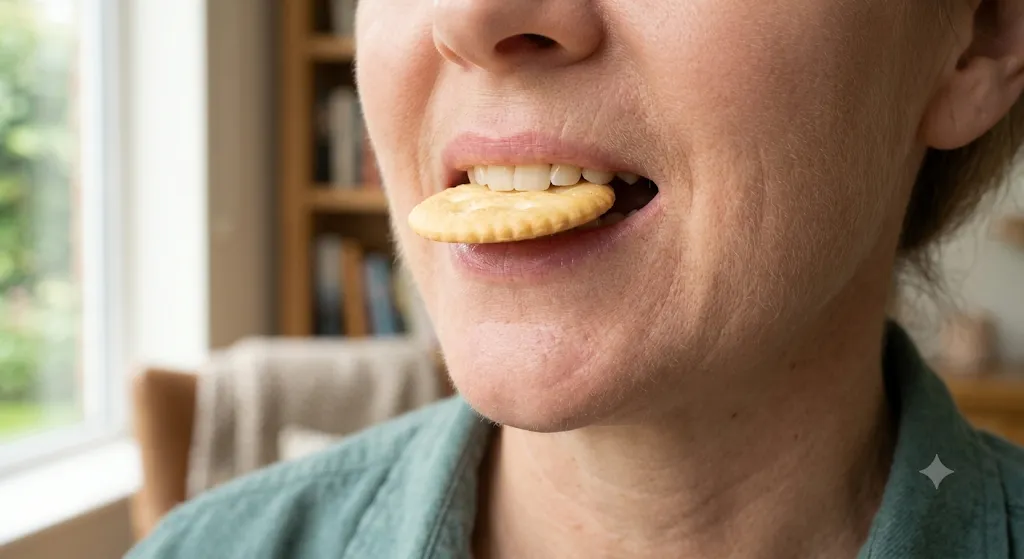
Gums and the periodontal ligament still expect bite force, saliva, and a meal that ends. Soft grazing and all-day sipping leave plaque undisturbed and the margin inflamed.
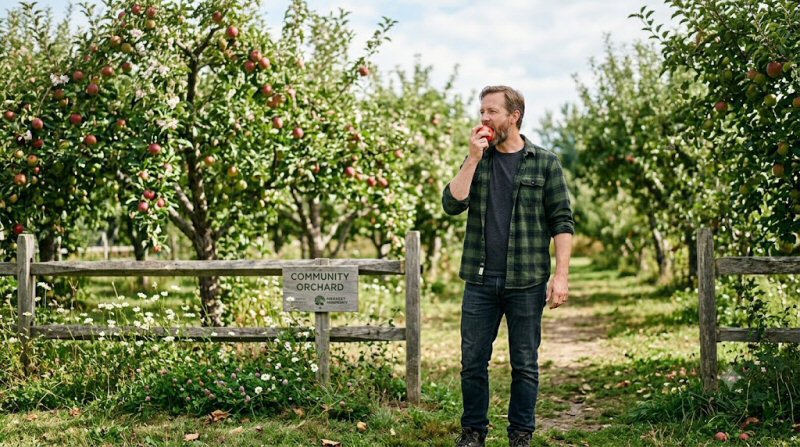
The toothbrush comes away pink, and the gum line feels puffy by evening. Nothing hurts enough to cancel a day. A crisp apple would have taken real work a few generations ago. Lunch today was soft bread, a sweet drink nursed for an hour, and a snack that barely needed the molars. The gums are not failing at random. They are still built for a chew that cleans, loads, and then stops.
That margin between tooth and gum is a working border, not a decorative edge. It expects bite force through the ligament, a surge of saliva, and a quiet stretch afterward so plaque does not sit in the same film all afternoon. Modern food is easy to swallow and easy to sip. The border still keeps the old schedule.
What This Mismatch Feels Like
The common report is bleeding when you brush or floss, a tender edge after a sweet afternoon, or gums that look shinier and slightly swollen along the lower front teeth. Some people notice a metallic taste, bad breath that brushing only briefly fixes, or a sense that food wedges in the same gap every meal. Others feel fine until a dental cleaning, then hear that the tissue bled on probing.
It is often worse on the side you chew less, behind the last tooth you can reach, and after a week of soft food during a cold. A single hard meal does not reverse a month of grazing. The clue is the pattern: the margin complains when mechanical work and meal endings disappear, and it settles when both come back.
What the Gum Line Was Built to Do
Each tooth sits in a socket lined by the periodontal ligament, a bundle of collagen fibers with mechanoreceptors that report bite force to the brainstem. Mats Trulsson and R. W. A. Linden showed that these receptors encode the load of chewing and help the jaw scale the next bite. They expect resistance. A puree gives them almost nothing to measure.
The gum itself is a seal. A shallow crevice around the neck of the tooth is constantly rinsed by fluid and by saliva when you chew. Harald Löe, Else Theilade, and S. Börglum Jensen, in the classic experimental gingivitis studies of the 1960s, showed what happens when that rinse and the toothbrush both stop: in healthy adults, plaque film produced visible gum inflammation within about ten to twenty-one days. Hygiene reversed it. The tissue was not fragile. It was unsupervised.
Roy Page and Hubert Schroeder later mapped how that early inflammation can deepen if the film is never cleared, from a reversible edge to a pocket that is harder to rinse. Philip Marsh’s ecological plaque hypothesis added the diet piece. The community of microbes shifts when sugar is frequent, saliva is low, and inflammation changes the local chemistry. Sigmund Socransky’s later work grouped the species most often enriched in that deeper state. None of this requires a dramatic injury. It requires a border that no longer gets a real chew or a real ending to the meal.
Why Soft Grazing Leaves the Margin Idle
Ancestral meals were shorter and tougher. Fibrous plants, meat on the bone, and unsweetened staples forced molars together, swept some film off broad surfaces, and triggered a salivary surge that buffered acids. The jaw still expects that kind of chew, and the gum line was part of the same system. Saliva did the chemical half of the cleanup. Colin Dawes showed how chewing raises flow far above the resting drip. Saliva still expects real chewing, not a bottle you sip for three hours.
A soft modern day removes both signals. Food sticks in the crevice instead of shearing off. Sweet or acidic drinks keep the pH from recovering, the same pattern enamel runs into when sipping replaces meals. Mouth breathing dries the front gums. The ligament barely loads, so the local circulation that follows biting stays quiet. Plaque is not a moral failure. It is a biofilm that grows when the mechanical day never arrives.
Less Common but Serious Causes
Bleeding and puffiness are usually plaque-related gingivitis. They are not always that simple. Periodontitis can progress with little pain while bone around the tooth recedes. Diabetes and smoking both worsen the same margin. Pregnancy hormones can make ordinary plaque look dramatic. Some medicines, including certain seizure drugs, calcium-channel blockers, and cyclosporine, can overgrow gum tissue. A vitamin C deficiency is now uncommon, but a diet with almost no fresh food can still leave tissue that bleeds easily. Sudden one-sided swelling, pus, a loose tooth, or an ulcer that does not heal is a different problem from everyday grazing inflammation.
Hidden Triggers
A few quiet habits keep the old border from doing its job:
- All-day sweetened or acidic drinks, so the crevice never gets a recovery window.
- Meals soft enough to swallow after two chews, especially on one side only.
- Skipping the spaces between teeth, where a chew never reaches.
- Mouth breathing at a desk or at night, which dries the front gum line.
- Smoking, which can hide bleeding while the deeper attachment worsens.
- A high-sugar snack every hour, which feeds the ecological shift Marsh described.
When to Worry
Pink on the brush after a lapse in flossing is common and usually reversible. Look sooner for bleeding that continues after a week of careful cleaning, gums pulling away from teeth, teeth that feel loose or shifting, pus, pain on biting, swelling of the face or gum, an ulcer lasting more than two weeks, or bleeding you cannot connect to plaque at all. People with diabetes, pregnancy, immune conditions, or a family pattern of early tooth loss should not wait for pain. Pain is a late signal in this tissue.
Myths vs Facts
Myth: Bleeding means you are brushing too hard, so you should ease off.
Fact: Force can scratch, but Löe’s work showed bleeding is the usual sign of inflammation at the margin. Gentle, complete cleaning is the treatment, not avoidance.
Myth: Soft food is kinder to gums.
Fact: Soft food is easy on a sore tooth. Day after day it starves the ligament of load and leaves film where a fibrous chew would have disturbed it.
Myth: Mouthwash can replace chewing and cleaning between teeth.
Fact: A rinse may change the surface film. It does not load the ligament or clear the contact point the way a chew and a floss do.
Myth: If it does not hurt, the gum line is fine.
Fact: Early attachment loss is often quiet. Bleeding on probing is the earlier clue.
How to Give the Margin a Real Chew
You do not need a raw diet. You need endings, resistance, and a clean crevice.
- Build one or two meals a day that require chewing: an apple, raw vegetables, crusty bread you actually bite, nuts if your teeth tolerate them, meat that is not already minced.
- Finish drinks with the meal instead of sipping sweetness all afternoon. Plain water between meals lets saliva recover.
- Clean the spaces the chew misses. Once a day between teeth is enough for most people to reverse simple gingivitis.
- Use a soft brush at the margin, angled into the crevice, rather than scrubbing the crowns and avoiding the edge that bleeds.
- Chew on both sides. A favored side leaves the other ligament underloaded and harder to rinse.
- If your mouth is dry from medicine or mouth breathing, mention it at a dental visit. Saliva is half the cleanup crew.
- Do not start hard chews on a tooth that already hurts to bite. Load is for healthy ligament, not for a crack or an abscess.
When to See a Dentist
See a dentist or dental hygienist if bleeding lasts more than a week despite daily cleaning between teeth, if gums recede, if teeth feel long or loose, or if you have not had a periodontal check in over a year. Bring a list of medicines. Seek urgent care for facial swelling, fever, trouble swallowing, or a tooth that rises and hurts to touch. Everyday mismatch is slow. Infection is not.
FAQs
Is it normal for gums to bleed a little when you restart flossing?
A few days of pink after you restart is common. The margin is inflamed and the film is being disturbed. It should fade within a week if the cleaning is gentle and complete. Ongoing bleeding needs a look, not a harder scrub.
Does chewing gum count as the chew gums expect?
Sugar-free gum raises salivary flow, which helps buffering after a meal. It does not load the back teeth the way a fibrous bite does, and it does not clean between teeth. Useful as a finish, not as a substitute for food that resists.
Can a soft diet cause gum disease by itself?
Soft food alone is not a diagnosis. It removes shear, bite-force signals, and the salivary pulse that used to interrupt plaque. Add frequent sugar and a dry mouth, and Marsh’s ecological shift gets much easier. Cleaning still decides whether inflammation stays reversible.
Why do front gums suffer more at a desk?
Mouth breathing dries them, and the front teeth do less grinding than the molars. The seal depends on fluid. A dry crevice is a quieter rinse.
Should I stop brushing if the gums bleed?
No. Stopping lets the film thicken, which is what Löe’s volunteers demonstrated. Soften the stroke, reach the margin, and clean between teeth. If bleeding persists, the next step is a professional cleaning, not a pause.
Conclusion
The gum line is a seal that expects work. Bite force through the ligament, a salivary surge, and a meal that ends were the ordinary briefings. Soft grazing and all-day sipping leave the crevice idle and the biofilm in charge. Give the margin resistance, an ending, and a daily clean between teeth, and most early bleeding is the reversible kind Löe described. If the tissue recedes, teeth loosen, or bleeding will not stop, that is no longer a mismatch story. That is a dental visit.