Dry, peeling cuticles and hangnails are common in modern life. Your nail folds still expect the varied pressure, moisture, and natural oils of real hand work.
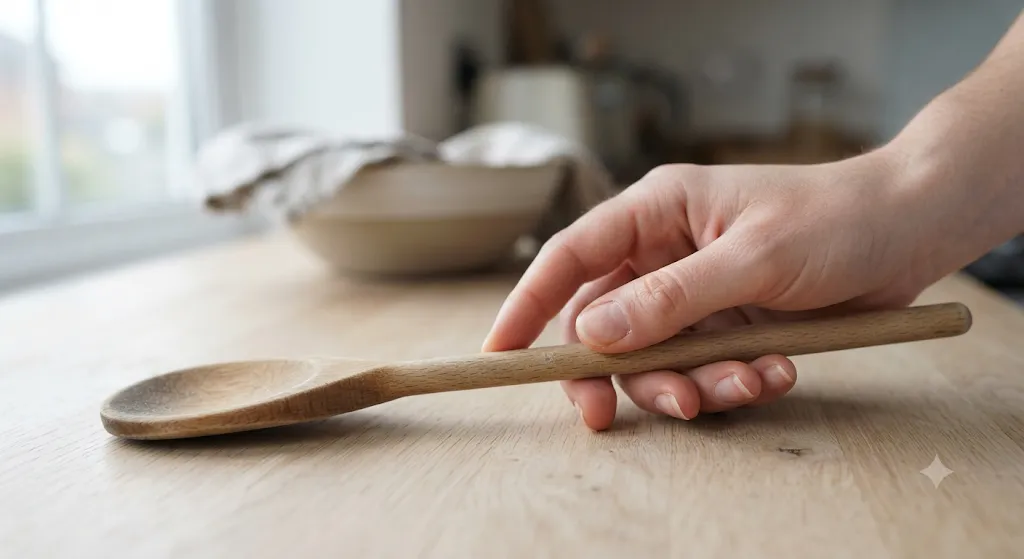
You finish washing the dishes, dry your hands, and notice a small split at the base of a fingernail. Later it catches on a sweater. Or the skin right where the nail meets the finger looks dry, lifted, and tender. Most of us treat this as a minor annoyance of winter or too much handwashing. Yet the tissue at the base of your nails—the cuticle and the living eponychium that produces it—still behaves as if it expects occasional real grip pressure, outdoor humidity swings, and the natural oils that come with varied hand work.
In ancestral settings, hands spent the day gripping, carrying, preparing food, handling tools, and being exposed to changing weather. The nail folds experienced intermittent mechanical loading and a more balanced cycle of moisture and oils. Today those same folds sit for long stretches on keyboards, phone screens, or steering wheels, then get repeatedly stripped by soap and alcohol sanitizer. The protective seal they form around the nail matrix was never designed for that combination of under-use and over-washing.
What This Area Actually Does
The visible “cuticle” most people notice is a thin layer of non-living cells that stick to the nail plate. It is produced by the eponychium, the living skin on the underside of the proximal nail fold. Together they form one of the four guardian seals of the nail unit. Their job is simple and critical: keep bacteria, fungi, water, and irritants from reaching the nail matrix underneath, the only place that produces new nail plate cells.
When that seal stays intact, the matrix is protected and the nail grows smoothly. When the skin dries out, lifts, or is cut or aggressively pushed back, the barrier opens. That is why hangnails, peeling edges, and mild redness around the nail folds are so common once hands become chronically dry. Dermatologists and nail researchers (including descriptions in standard anatomy references such as StatPearls) emphasize that the proximal nail fold and cuticle together shield the matrix from both trauma and everyday contaminants. Damage the seal and the risk of irritation or low-grade infection rises.
Why Modern Life Leaves Them Dry
Several everyday factors line up against the needs of this small skin area:
- Frequent washing and sanitizing. Soap and alcohol remove the natural lipids that keep the cuticle flexible. Each wash is useful for hygiene, yet the skin rarely has time to restore its barrier between cleanings.
- Low indoor humidity. Heated or air-conditioned air pulls moisture from exposed skin. The thin cuticle has little reserve compared with thicker palm skin.
- Smooth, low-load hand use. Typing, scrolling, and light gripping do not load the nail folds the way carrying, climbing, digging, or preparing food once did. The tissue receives less intermittent pressure that helps keep it supple and well-perfused.
- Harsh products and water exposure. Dish soap, cleaners, and prolonged soaking soften the skin temporarily, then leave it drier once the water evaporates.
- Habitual picking or aggressive manicuring. Cutting living tissue or forcing the fold back repeatedly breaks the very seal the area is meant to maintain.
These are not rare problems. People who wash their hands many times a day (parents, healthcare workers, food handlers, anyone using sanitizer often) notice the change fastest. The same pattern appears in winter when both outdoor cold and indoor heating reduce humidity. Related patterns show up in other hand tissues that also expect occasional real loading, such as the flexor tendons and forearm muscles described in articles on why your forearms still expect occasional rest from gripping and deep finger curls.
Hidden Triggers Worth Noticing
Beyond the obvious dryness, a few less-noticed factors make cuticles more fragile:
- Repeated wet-dry cycles (dishwashing without gloves, frequent handwashing without moisturizing afterward).
- Nail biting or chewing the skin at the sides of the nails.
- Acetone-based polish removers used often.
- Vitamin or mineral shortfalls that affect overall skin barrier quality (though ordinary dryness is far more common than a true deficiency).
- Certain skin conditions that increase inflammation around the nail folds.
The skin barrier of the hands in general already faces modern challenges from indoor air and frequent cleansing, as covered in discussions of outdoor humidity fluctuations and dry hands after frequent washing.
When to Worry
Most dry cuticles and occasional hangnails stay minor. Pay attention if you notice:
- Spreading redness, swelling, or pus around the nail (possible paronychia).
- Pain that worsens instead of settling within a day or two.
- Multiple nails affected with ongoing inflammation, ridging, or separation of the nail plate.
- Signs of a broader skin condition such as eczema or psoriasis around the folds.
In those cases a clinician can check for infection or an underlying dermatologic issue. For ordinary dryness and small splits, simple care is usually enough.
Myths vs Facts
Myth: You should cut or aggressively push back cuticles for healthy nails.
Fact: The living tissue and the seal it forms protect the matrix. Gentle softening and light moisturizing preserve that barrier better than cutting.
Myth: Dry cuticles always mean a vitamin deficiency.
Fact: Most cases come from water, soap, low humidity, and mechanical irritation. Nutrition matters for overall skin health, but local dryness is the usual driver.
Myth: Hangnails are pieces of nail that must be pulled off.
Fact: They are usually small tears in the surrounding skin. Pulling them can enlarge the split and open the seal.
How to Support the Area Your Hands Still Expect
Small, consistent habits match what the tissue evolved to handle:
- Moisturize after every wash. A plain, fragrance-free cream or a few drops of oil worked into the base of the nails restores lipids.
- Wear gloves for dishwashing, cleaning, or cold outdoor work.
- Use lukewarm water and milder cleansers when possible; pat hands dry instead of rubbing hard.
- Keep nails short enough that they do not catch, but avoid cutting the living fold.
- If a hangnail appears, soften it in warm water, then trim only the loose piece with clean scissors rather than pulling.
- Give hands occasional real grip work—carrying groceries, using simple tools, or kneading dough—so the folds experience intermittent pressure and blood flow.
These steps reduce the constant stripping and under-loading that modern routines create. They do not require special products; consistent moisture and fewer aggressive mechanical insults do most of the work.
Frequently Asked Questions
Why do hangnails appear more in winter?
Lower outdoor humidity plus indoor heating removes moisture faster from the thin skin around the nails. Combined with frequent washing, the cuticle dries and splits more easily.
Is it safe to push cuticles back at all?
Gentle softening followed by light pressure with a clean tool is usually fine for many people. Aggressive cutting or forcing living tissue back increases the chance of irritation or infection.
Can hand sanitizer alone cause this?
Alcohol-based sanitizers strip lipids quickly. Using them many times a day without moisturizing afterward commonly leads to dry, lifting cuticles.
Do dry cuticles mean the nail matrix is damaged?
Not usually. The matrix sits deeper and is protected as long as the seal stays mostly intact. Persistent inflammation or repeated trauma can affect growth, but ordinary dryness does not.
Should I stop using nail polish?
Polish itself is not the main problem for most people. Frequent acetone removal and the drying effect of some formulas can contribute. Giving nails short breaks and moisturizing the folds helps more than avoiding polish entirely.
Conclusion
Your cuticles and the living eponychium beneath them still form a protective seal that expects occasional real grip pressure, natural oils, and a more balanced moisture cycle than constant indoor dryness and soap provide. Dry edges and hangnails are usually a mismatch signal rather than a disease. Restoring simple moisture after washing, protecting the hands during wet work, and allowing occasional varied loading keeps the seal intact and the matrix comfortable. When redness spreads or pain persists, a quick check rules out infection; otherwise the everyday care above matches what the tissue was built to handle.