Yes, mild itching after deodorant is common. It often comes from fragrance, alcohol, or aluminum irritating sensitive underarm skin, especially if you just shaved. Most cases settle with a product switch.
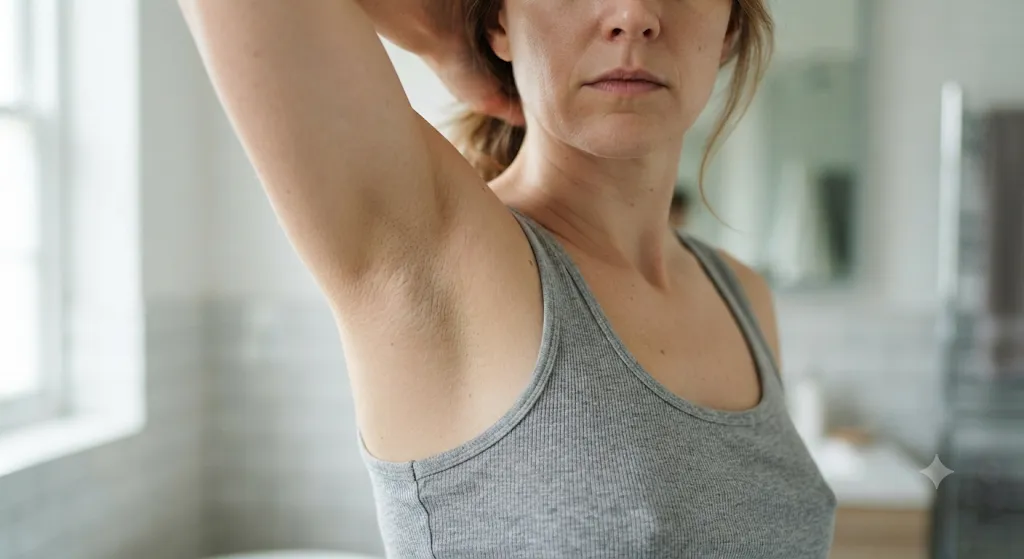
You apply deodorant in the morning and within minutes—or sometimes hours—your underarms start to itch. The feeling can range from a light tickle to a more persistent urge to scratch. For many people this happens regularly with certain products and rarely means anything serious. The skin in the armpit is thin, warm, and often moist, which makes it more reactive to what we put on it.
What This Symptom Feels Like
The itch usually begins soon after application or later in the day as the product mixes with sweat. It may feel like a dry, prickly sensation or a deeper irritation under the surface. Mild redness or a slight warmth can accompany it. In most everyday cases the discomfort stays localized to the underarm and fades once the product is washed off or the skin has time to calm down.
Common Causes
Fragrance is the leading trigger for allergic contact dermatitis from deodorants. Research groups that study patch testing, including work by Heisterberg and colleagues, have shown that deodorants are a frequent source of fragrance reactions because the warm, occluded environment of the armpit increases absorption. Alcohol, which helps products dry quickly, can strip natural oils and leave skin feeling tight and itchy, especially on freshly shaved skin. Aluminum salts used in antiperspirants are more often irritants than true allergens; their acidity can sting or itch when the skin barrier is already compromised.
Propylene glycol, certain preservatives, and even essential oils in “natural” formulas can produce the same response. Shaving or waxing the day before application raises the chance of irritation because micro-abrasions let ingredients penetrate more easily.
Why This Happens
Underarm skin has a higher density of sweat glands and sits in a naturally humid pocket. When you apply a product there, the combination of moisture, warmth, and friction keeps the ingredients in contact longer than they would on open skin. Studies of contact dermatitis note that occlusion can increase allergen absorption substantially. If your skin barrier is already a bit dry from indoor heating, frequent washing, or recent hair removal, the threshold for irritation drops further. This is why the same deodorant that feels fine on one person can itch on another, and why the reaction is often stronger in winter or after a close shave.
You can read more about how skin reacts to changes in humidity in our piece on why your skin barrier still expects outdoor humidity fluctuations.
Less Common but Serious Causes
True allergic contact dermatitis can progress from simple itch to a red, scaly, or blistered rash that lasts days after you stop the product. Less often, a yeast or bacterial overgrowth in the warm underarm fold can add to the itch, especially if sweat is trapped by clothing or residual product. Conditions such as intertrigo or, rarely, a fungal infection may produce persistent itching that does not improve when you change deodorants. These situations are less common than simple product irritation but worth recognizing if the problem keeps returning.
Hidden Triggers
Switching laundry detergent, using a new body wash, or wearing tight synthetic fabrics can combine with deodorant to tip the balance. Applying product immediately after a hot shower, when pores are open and skin is more permeable, often worsens the reaction. Some people notice the itch only with certain scents or only on one side if that side was shaved more closely. Residual deodorant left overnight can also keep irritation going even after you think you have washed it off.
When to Worry
Mild itching that settles within a day or two after you stop the product is usually harmless. See a doctor if the itch becomes intense, the skin cracks or weeps, you develop swelling that spreads beyond the underarm, or symptoms last more than a week despite changing products and keeping the area clean and dry. Fever, significant swelling, or signs of infection (increasing redness, warmth, pus) need prompt attention. Recurrent reactions that limit your ability to use any deodorant may benefit from patch testing to identify the exact ingredient.
Myths vs Facts
Myth: All itching means you are allergic to aluminum.
Fact: Aluminum more often causes irritant reactions; fragrance is the far more common allergen in deodorant studies.
Myth: Natural or “aluminum-free” products never irritate.
Fact: Essential oils, baking soda, and plant fragrances can still trigger itch or contact dermatitis in sensitive people.
Myth: If it doesn’t burn right away, it isn’t the deodorant.
Fact: Allergic reactions can appear hours or a day later, while irritant reactions may feel immediate.
How to Manage It
Stop the current product for a few days and wash the area gently with a mild, fragrance-free cleanser. Pat dry and let the skin rest. When you resume, choose a fragrance-free, alcohol-free formula and apply it to completely dry skin, ideally not right after shaving. Waiting at least several hours after hair removal reduces micro-injury irritation. Loose cotton clothing helps air circulate and reduces friction. If mild itch persists, a plain moisturizer or a short course of over-the-counter 1% hydrocortisone (used sparingly and not for long periods) can calm the skin. Avoid scratching, which can worsen the barrier and invite secondary irritation.
For related experiences with skin itch, see is it normal for your skin to itch more at night and is it normal for your skin to itch after a hot shower.
When to See a Doctor
Consult a dermatologist if simple product changes do not resolve the itch, if you develop a spreading rash, or if you need help identifying a specific allergen through patch testing. Persistent underarm itch can occasionally point to other skin conditions that benefit from professional evaluation rather than continued self-treatment.
FAQs
Is it normal for the itch to start only after I sweat?
Yes. Sweat can reactivate residual product or increase skin permeability, making an otherwise mild irritation more noticeable later in the day.
Why does it happen more after I shave?
Shaving creates tiny openings in the skin barrier. Ingredients that would normally sit on the surface can penetrate more easily and trigger itch or sting.
Can I still use antiperspirant if regular deodorant itches?
Many people tolerate fragrance-free antiperspirants better once the barrier recovers, but some find aluminum itself irritating. Testing one product at a time helps.
How long should I wait before trying a new deodorant?
Give the skin three to five days of rest with gentle cleansing so any residual irritation fades. Then introduce one new product and observe for 48 hours.
Does diet or stress make underarm itch worse?
Stress can increase sweating and make existing irritation more noticeable, but the primary driver remains contact with the product ingredients rather than food.
Conclusion
Mild itching after deodorant is a common, usually temporary reaction driven by fragrance, alcohol, aluminum acidity, or a recently compromised skin barrier. Most people resolve it by switching to a simpler formula, waiting after shaving, and keeping the area clean and dry. Persistent or worsening symptoms deserve a closer look, but for the everyday mild case a product change is often all that is needed.