Yes, frequent hand washing commonly leaves skin tight and dry as soap and water strip natural oils. Learn the science, when it’s harmless, and simple ways to protect your skin barrier.
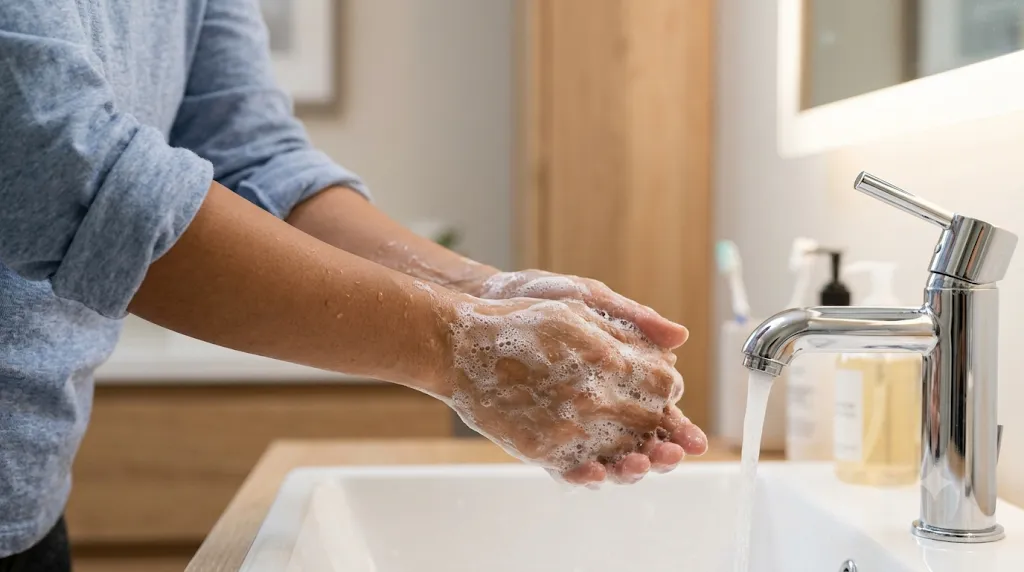
You finish washing your hands and notice they already feel tight, a little rough, or even slightly papery. By the end of a day filled with sink visits, the skin on the backs of your hands and between your fingers can look dull and feel uncomfortable. This is one of the most ordinary responses skin has to modern hygiene habits, and for most people it is completely normal.
What This Symptom Feels Like
The sensation usually shows up within minutes of drying off. Skin can feel taut when you make a fist, slightly rough to the touch, or mildly itchy. In cooler or drier indoor air the tightness becomes more noticeable. Some people also see fine flaking or faint redness around the knuckles. These changes are typically mild and improve once you add moisture back, though they can become more persistent if washing is very frequent.
Common Causes
The main driver is repeated contact with soap and water. Surfactants in soap dissolve the natural oils (lipids) that sit between skin cells and keep moisture inside. Hot water speeds this process by increasing evaporation. Residual soap left between fingers or on the wrists can continue to irritate skin after you leave the sink. Alcohol-based hand sanitizers can contribute as well, especially when used many times in a row without lotion.
Everyday situations that raise the total number of washes—cooking, caring for children, office work with shared surfaces, or simply following public-health guidance—make the effect more obvious. People with naturally drier skin or a history of mild eczema often notice it sooner.
Why This Happens
Your skin’s outermost layer, the stratum corneum, functions as a barrier. Lipids such as ceramides, cholesterol, and free fatty acids fill the spaces between cells and slow water loss. Soap’s alkaline pH and detergent action remove a portion of these lipids with every wash. Research has shown that skin pH can stay elevated for several hours afterward, during which the barrier is temporarily more permeable. Moisture then escapes more quickly, producing the tight feeling.
Mayo Clinic dermatologist Dawn Davis has described the process simply: skin behaves a bit like a kitchen sponge that gradually dries out with repeated wetting and wringing. Studies published in journals such as BMC Dermatology have measured increased skin roughness and reduced hydration after repeated hand washing, confirming what people feel at the sink.
This response is not a flaw. In ancestral environments people washed hands far less often, so the barrier rarely faced this level of daily lipid removal. Modern hygiene is beneficial for infection control, yet it places a higher demand on the skin’s repair systems. The same principles appear in discussions of how indoor climate and frequent cleansing affect the broader skin barrier, as explored in articles on why your skin oil still expects the weather.
Less Common but Serious Causes
Most dryness from washing stays mild. However, if the skin becomes cracked, deeply red, weeping, or intensely itchy, it may have progressed to irritant contact dermatitis or an eczema flare. Rarely, an underlying condition such as thyroid imbalance or a nutritional issue can make skin more vulnerable, though these usually come with other symptoms. Infection is uncommon unless cracks allow bacteria in.
Hidden Triggers
Several factors amplify ordinary washing dryness:
- Hot water instead of lukewarm.
- Soaps with strong fragrances, dyes, or high-foaming surfactants.
- Incomplete rinsing that leaves residue.
- Air-drying hands or rough towel friction.
- Skipping moisturizer after washing.
- Low indoor humidity, especially in heated or air-conditioned rooms.
- Combining frequent washing with sanitizer use.
These are the same elements that can make hands feel tight after other wet activities, similar to the sensation described in pieces about skin feeling tight after a hot shower.
When to Worry
See a clinician if dryness is accompanied by deep cracks that bleed, swelling, pus, spreading redness, or pain that interferes with daily tasks. Also seek care if the problem appears suddenly on only one hand, comes with blisters, or fails to improve after consistent gentle care for a couple of weeks. These signs are uncommon with simple washing-related dryness but warrant a closer look to rule out eczema, allergy, or infection.
Myths vs Facts
Myth: Only harsh antibacterial soaps cause dry hands.
Fact: Even mild soaps remove lipids; frequency and water temperature matter more than the antibacterial claim.
Myth: Hand sanitizer is always gentler than soap.
Fact: Alcohol can still increase water loss, though some studies show soap-and-water washing removes more lipids in certain conditions.
Myth: Once hands feel dry, the damage is permanent.
Fact: The barrier repairs itself within hours to days when you reduce stripping and restore moisture.
How to Manage It
You do not need to stop washing. Small adjustments protect the barrier while keeping hands clean:
- Use lukewarm rather than hot water.
- Choose a gentle, fragrance-free cleanser or a moisturizing soap.
- Rinse thoroughly, including between fingers and wrists.
- Pat dry with a soft towel instead of rubbing or air-drying.
- Apply a cream or ointment (look for ceramides, glycerin, or petrolatum) while skin is still slightly damp.
- Reapply moisturizer several times a day, especially after each wash.
- At night, consider a thicker ointment and cotton gloves to trap moisture.
Harvard Health and Mayo Clinic both emphasize that moisturizing right after washing is the single most effective step. These habits also help prevent the progression to cracked skin that some people notice in dry weather, a related topic covered in why hands crack in dry weather.
When to See a Doctor
Most people manage this at home. Contact a dermatologist or primary care clinician if cracks persist, itching keeps you awake, or you develop signs of infection. They can recommend prescription barrier creams or rule out eczema if needed. Healthcare workers and others who wash dozens of times per shift sometimes benefit from occupational advice on protective routines.
FAQs
Does frequent hand washing permanently damage the skin barrier?
No. The barrier is designed to recover. Consistent moisturizing and gentler washing habits usually restore comfort within days to a couple of weeks.
Is alcohol sanitizer better for dry hands than soap?
It depends. Some people find certain sanitizers less drying, but both can increase moisture loss. Moisturizing afterward matters more than which product you choose.
Why do my hands feel tighter in winter even with the same washing routine?
Indoor heating lowers humidity, so water evaporates faster from already-stripped skin. Adding a humidifier and thicker moisturizer helps.
Can I still wash as often as recommended for hygiene?
Yes. The goal is to keep the recommended washing steps while adding immediate moisturizing and avoiding excessively hot water or harsh soaps.
When should I worry that dryness is something more than washing?
If you see deep cracks, oozing, intense itching, or symptoms that spread or fail to improve with care, check with a clinician to exclude eczema or contact dermatitis.
Conclusion
Feeling dry, tight hands after frequent washing is a normal consequence of modern hygiene. Soap and water remove the lipids that keep moisture in, and the effect accumulates across the day. Simple changes—lukewarm water, thorough rinsing, and prompt moisturizing—restore comfort for most people without compromising cleanliness. Your skin barrier is resilient; it simply needs a little help to keep up with the number of times we now wash our hands.