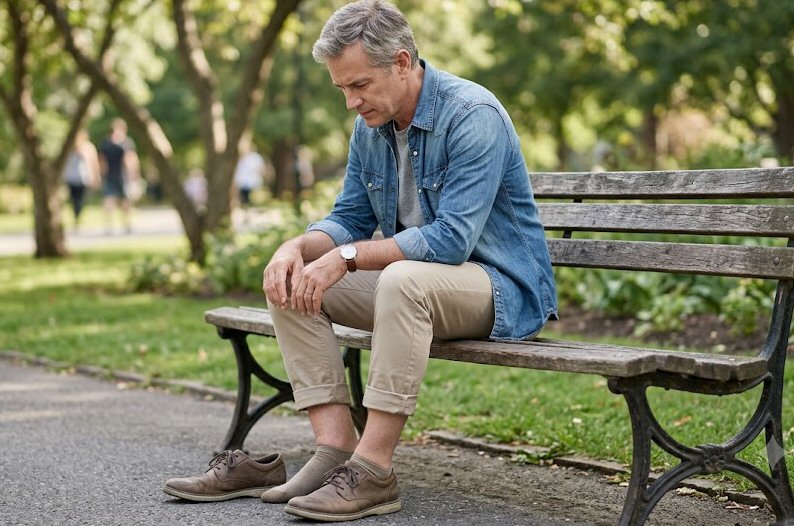
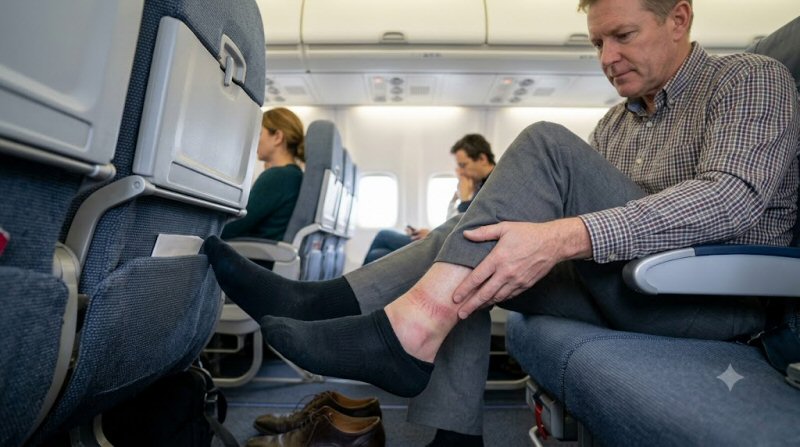
Your blood vessels evolved for real shifts between cold air, sun, and shade. Constant indoor temperatures leave the vascular system under-practiced at the constriction and dilation it was built for.
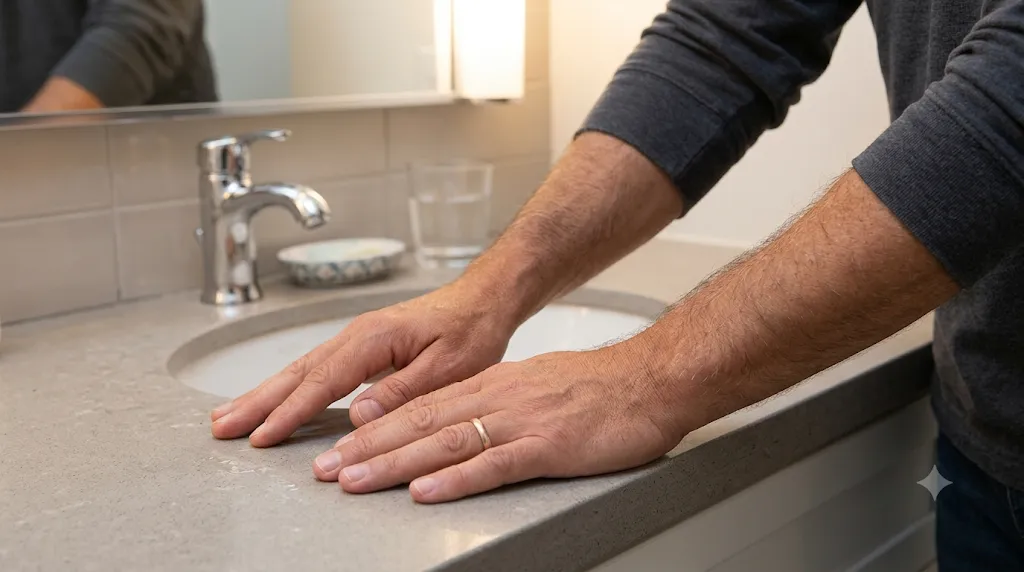
You step from a heated room into cool outdoor air and your fingers tighten almost at once. A few minutes later they ease. Later, in strong sun, the same hands feel fuller and warmer. These quick adjustments feel automatic, yet they rest on a vascular system that spent most of human history meeting real temperature swings every day. Modern life, with its heating, air conditioning, and sealed interiors, has removed most of those swings. The vessels still carry the same wiring.
What Temperature Contrast Used to Demand
For most of evolutionary time, humans moved between sun and shade, wind and shelter, cool mornings and warmer afternoons, and seasonal cold. Skin blood flow is one of the body’s fastest ways to match heat loss or heat gain to the outside world. When air is cold, the small arteries in the hands, feet, ears, and face narrow. This keeps more warm blood near the core. When the same skin later warms, the vessels reopen and, in stronger heat, dilate further so blood can carry heat to the surface for cooling.
The pattern is not simple on–off. In cold water or strong chill, the fingers often show a rhythmic rise and fall in blood flow known as the hunting reaction, first described in detail by Thomas Lewis in 1930. Constriction protects core temperature; brief periods of dilation keep the extremities from cooling too far. Researchers such as John T. Shepherd later mapped how local cold raises the sensitivity of the vessel wall to the signals that cause narrowing. Populations living in colder climates tend to show stronger versions of these responses, suggesting both practice and some inherited tuning.
Heat produces the opposite movement: wider skin vessels plus sweating. The whole system is built for repeated, moderate contrast rather than permanent comfort.
Why Modern Indoors Change the Pattern
Most people now spend the large majority of their hours inside a narrow temperature band. Central heating holds winter rooms near 20–22 °C. Air conditioning keeps summer rooms near the same range. Clothing, cars, and offices remove the rest of the variation. The vessels still receive the same neural and local signals, but the signals arrive less often and with less intensity.
When the system is rarely asked to constrict hard or dilate fully, two everyday effects appear. First, the first real cold exposure of the season can feel sharper; fingers go pale or numb more quickly and recover more slowly. Second, the opposite transition—from cool air into a warm room or hot shower—can produce a stronger flush or a brief light-headed feeling because the vessels open more than recent practice has prepared them for. Neither response is new; both are simply less rehearsed.
Work by researchers studying cold acclimation (including groups following the line of Lewis’s early observations and later laboratory work by investigators such as Hein Daanen) shows that regular mild cold exposure can restore a quicker hunting reaction and a more stable finger temperature. The reverse is also true: long periods without cold leave the response less practiced. Heat acclimation studies show parallel changes in how readily skin vessels open and how soon sweating starts. Constant indoor temperatures blunt both sides of the training.
What Under-Use Looks Like Day to Day
Most people notice the mismatch at the edges of the day rather than as a disease. Common signs include:
- Hands or feet that stay colder longer than expected after a short walk outside in mild weather.
- A stronger-than-usual flush or sense of fullness in the face and hands when entering a warm room after being in air conditioning.
- Fingers that blanch more readily in cool air or when holding a cold drink, then take longer to regain color.
- A brief wave of warmth or mild dizziness when moving from a cool car into a heated building.
These are ordinary vascular reactions, not signs that the vessels have been damaged. They simply reflect a system that has had fewer opportunities to practice the full range. Related everyday experiences, such as hands feeling cold in an air-conditioned room or fingers turning white in the cold, sit on the same physiology.
The calf-muscle pump and the larger veins also rely on movement and temperature shifts to keep blood returning from the legs; prolonged still sitting in a steady indoor climate reduces that assist as well. The same principle appears in why the veins still expect the calf muscle pump.
How to Give the System Occasional Contrast
The goal is not extreme cold or heat. Brief, ordinary contrasts are enough to keep the responses familiar.
- Step outside for a few minutes in cooler weather without immediately adding a heavy layer. Let the hands and face meet the air, then return indoors.
- Finish a warm shower with 30–60 seconds of cooler water on the arms and legs. The vessels constrict, then reopen when you dry off.
- On a warm day, spend short periods in the sun and then in shade rather than staying in continuous air conditioning.
- Keep the house a degree or two cooler in winter and a degree or two warmer in summer than the fully “neutral” setting, so clothing and light movement do more of the work.
- Walk outdoors most days. The combination of muscle activity and outdoor air temperature gives both the skin vessels and the deeper circulation a more natural load.
These steps do not require special equipment. They simply restore a portion of the temperature variation the vessels encountered for most of human history. People who already have diagnosed circulation problems, Raynaud’s phenomenon, or cardiovascular conditions should discuss any deliberate cold or heat exposure with their clinician first.
When the Pattern Is Worth Checking
Ordinary temperature responses are harmless. A few patterns deserve medical attention:
- Fingers or toes that stay white, blue, or numb for long periods after mild cold and do not recover with warming.
- Pain, sores, or skin changes that appear with cold exposure.
- Swelling, color changes, or aching in one leg that is clearly different from the other.
- Light-headedness or chest symptoms that occur reliably with temperature shifts and are not explained by simple standing up quickly.
- Any sudden, one-sided change in color, temperature, or sensation in a limb.
These can point to more specific vascular, neurologic, or cardiac issues and are best evaluated rather than managed only with lifestyle contrast.
Myths vs Facts
Myth: Constant indoor comfort is always better for circulation.
Fact: Comfort reduces the daily practice the vessels use to adjust. Mild, repeated contrast keeps the responses more efficient.
Myth: Cold hands mean poor circulation that needs treatment.
Fact: Cold hands in cool air are the normal protective response. They become more noticeable when the system has had little recent practice.
Myth: You must take ice baths to “train” blood vessels.
Fact: Ordinary outdoor air, a brief cooler rinse, and seasonal clothing changes supply enough contrast for most people.
Myth: Once vessels lose the ability to adjust, it cannot return.
Fact: Studies of cold and heat acclimation show that the responses improve again with regular, moderate exposure.
Frequently Asked Questions
Why do my hands get colder faster now than they did years ago?
Less frequent cold exposure leaves the initial constriction less practiced, so the same outdoor temperature can feel stronger and last longer. Regular short outdoor time usually restores a quicker recovery.
Is it useful to turn the thermostat down a couple of degrees?
Yes. A slightly cooler indoor setting in winter increases the mild vasoconstriction the vessels already know how to do and reduces the size of the jump when you do go outside.
Can temperature contrast help with feeling light-headed when I stand up?
It is not a direct treatment, but better overall vascular responsiveness and daily walking both support blood-pressure adjustments. Persistent light-headedness still needs a medical check.
Do people who grew up in cold climates handle indoor heating differently?
Population studies show some differences in cold responses that appear early and can persist. Most of the day-to-day change people notice, however, comes from recent exposure history rather than distant ancestry alone.
How quickly does the system adapt again?
Laboratory and field work on mild cold or heat exposure typically shows measurable shifts in skin blood flow and comfort within one to two weeks of regular practice. The change is gradual, not overnight.
Conclusion
Your circulation still carries the responses shaped by real temperature contrast—constriction in cold, dilation and sweating in heat, and the rhythmic adjustments Lewis first mapped in the extremities. Modern indoor climates have simply removed most of the daily practice. Brief, ordinary contact with outdoor air, a slightly wider indoor temperature range, and the natural movement that goes with both are usually enough to keep those responses familiar. The vessels were built for variation; giving them a little of it again is one of the simpler ways to match modern life to older physiology.