Gravity is not new. Humans have been upright for a long time. What is new is standing still or sitting still for hours while the large muscles that used to squeeze blood back up the legs stay quiet.
Veins in the lower body are not passive pipes. They are a one-way system that depends on valves and a pump. The pump is not the heart. Below the knee, the main pump is the calf. Each step compresses the deep veins. Valves close behind the squeeze. Blood moves upward. The next step does it again.
When that rhythm disappears, blood lingers. Ankles feel tight by evening. Socks leave marks. Legs feel heavy on long flights or long desk days. The veins themselves are often still structurally sound. They are waiting for a pump that modern furniture turned off.
What Sluggish Venous Return Feels Like
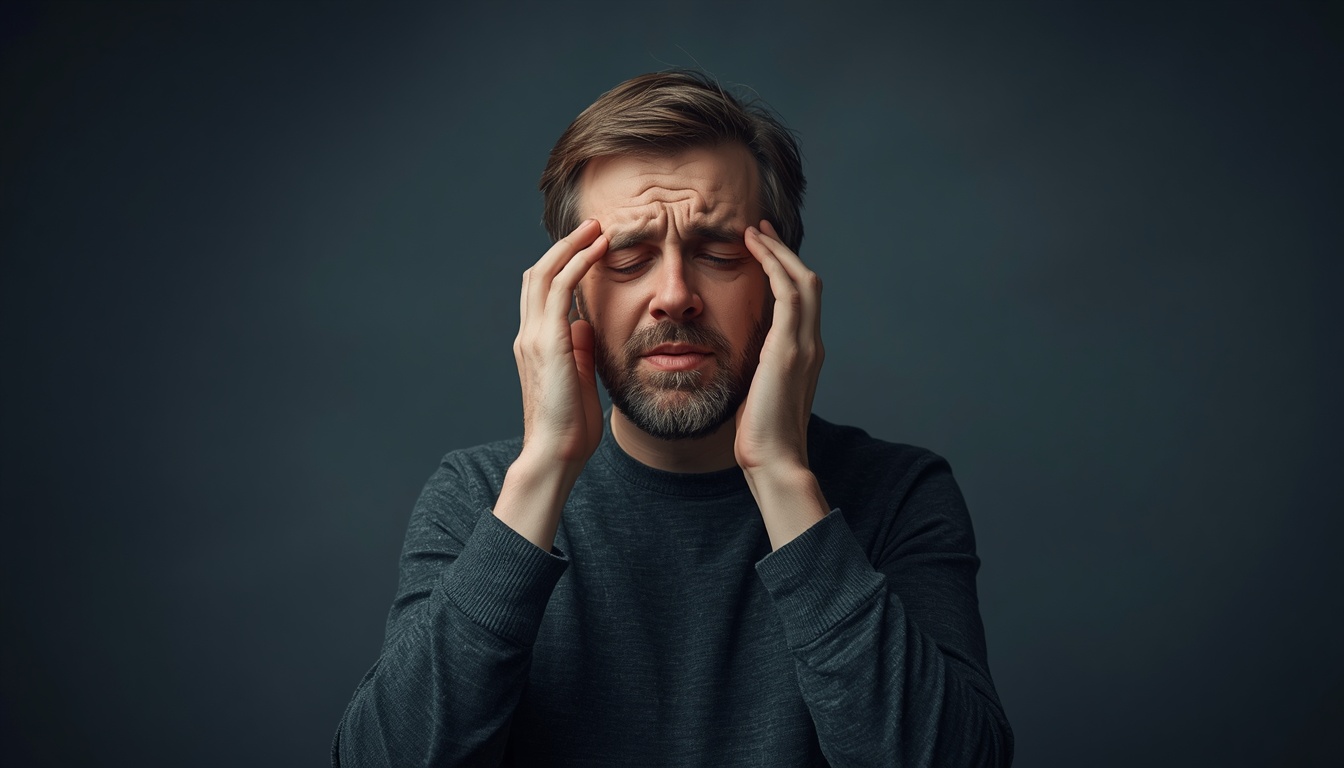
The mismatch is usually quiet. It does not announce itself as a dramatic event. It announces itself as end-of-day legs.
Heaviness after sitting. Mild swelling around the ankles that fades overnight. A dull ache that eases when you walk and returns when you sit. Restless discomfort in the calves in the evening. Visible surface veins that look more prominent after a hot day or a long car ride.
These signs do not automatically mean disease. They are what a gravity-sensitive system looks like when the muscle pump is underused.
How the System Was Designed to Work
Arteries deliver blood with the force of the heart. Veins have to bring it home against gravity. Evolution solved that with three partners:
- One-way valves that stop backflow
- The calf and foot muscles that squeeze deep veins with every step
- The respiratory pump — the changing pressure in the chest and abdomen with breathing
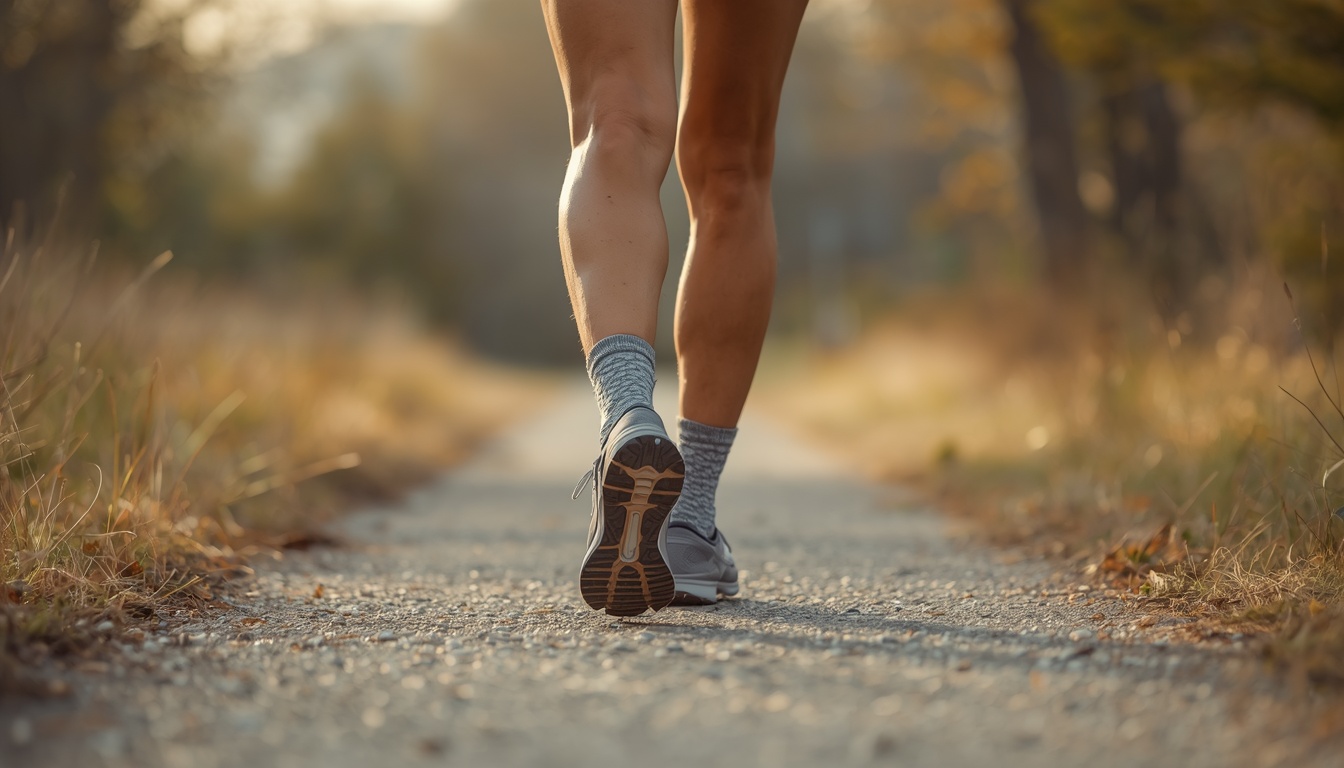
Walking is the native setting. Heel strike, push-off, and the stretch-shorten of the gastrocnemius and soleus empty the venous reservoirs of the lower leg. The foot itself has a smaller pump. Together they turn locomotion into circulation.
Ancestral days supplied this automatically. People walked to gather, carry, follow herds, tend fields, and move between tasks. Standing was rarely frozen. Even rest included squatting, shifting, and short walks. The valves were not asked to hold a static column of blood for four uninterrupted hours.
Vascular researchers have long treated the calf muscle pump as a second heart for the legs. When it works, venous pressure at the ankle falls during walking. When it does not, pressure stays high and fluid leaks into surrounding tissue.
Why This Happens in Modern Life
Chairs, desks, cars, and screens hold the ankle at a fixed angle. The calf barely shortens. The foot pump is idle. Crossing the legs adds a kink. Heat, dehydration, and tight clothing raise the load.
Long-haul sitting is the extreme version of an ordinary Tuesday. The same physiology shows up in office work, gaming, long meetings, and evening sofa time. Compression socks can help on travel days. They do not replace the missing pump on every other day.
Age, pregnancy, prior injury, and family patterns of vein wall laxity change how much stillness a person can tolerate. The mismatch is still the same: an upright species asked to be upright without walking.
Less Common but Serious Causes
Not every swollen ankle is a lifestyle story. Sudden one-sided swelling, warmth, redness, and pain can signal a clot and needs urgent care. Shortness of breath with leg swelling is also urgent. Heart, kidney, and liver conditions can cause bilateral swelling that does not behave like simple evening pooling.
Skin changes, ulcers near the inner ankle, and progressive varicose veins deserve clinical assessment. Pregnancy-related swelling should be reviewed if it is sudden, severe, or paired with headache and visual changes.
This article is about the common pattern: intact valves and muscles asked to work without the walking they were built around.
Hidden Triggers
Ordinary habits amplify pooling:
- Hours of sitting with the knees bent and the feet dangling
- Standing still in one place — retail, kitchen, events — without shifting or walking
- Heat, alcohol, and salty meals that increase fluid in the tissues
- Dehydration that thickens blood and reduces plasma volume resilience
- High heels that shorten the calf and blunt the natural pump
- Tight socks, jeans, or boots that indent the calf
A hard gym session does not cancel eight seated hours. The pump is a frequency system. It wants many small contractions, not one heroic hour.
When to Worry
Seek care promptly for sudden one-sided swelling, chest pain, breathlessness, or a hot, tender calf. See a clinician for progressive skin darkening around the ankles, recurrent swelling that does not improve with walking and elevation, or veins that bleed or ulcerate.
Evening tightness that eases with a walk, ankle circles, and overnight elevation is usually the mismatch talking. It is still worth mentioning at a regular visit if it is new or worsening.
Myths vs Facts
Myth: Crossing your legs ruins veins overnight.
Fact: Brief crossing is ordinary. Hours of stillness matter more than any single posture.
Myth: Only older people get heavy legs.
Fact: Young adults on long flights and desk jobs feel the same pump deficit.
Myth: If veins are visible, the only answer is a procedure.
Fact: Procedures have a place for some disease. Many people improve comfort by restoring walking, calf work, and heat management.
Myth: Elevation replaces walking.
Fact: Elevation helps pooled fluid return. Walking trains the pump that prevents the pool.
How to Manage in a Modern World
You do not need a wilderness life. You need frequent use of the pump you already have.
Walk after sitting blocks. Even two to five minutes of easy walking empties the lower-leg veins. Stand and shift your weight. Rise onto the toes ten times at the desk. Point and flex the feet during calls. Take stairs when they are available.
On travel days, aisle walks and ankle pumps matter more than compression alone. At home, an evening walk does double duty for veins and blood sugar. If you stand for work, add small steps rather than locking the knees.
Heat and salt are modulators, not villains. On hot days, walk in cooler hours and drink enough water. If evening swelling is noticeable, put the feet up for twenty minutes and then walk rather than staying horizontal all night.
People with diagnosed vein disease should follow their clinician. The same pump logic still applies as an adjunct, not a substitute for indicated care.
When to See a Doctor
See a doctor for sudden swelling, suspected clot, ulcers, bleeding veins, or swelling with breathlessness. Mention gradual evening pooling at a routine visit if it is new, one-sided, or paired with skin changes.
Bring notes on when it happens — flights, desk days, heat, pregnancy — so the pattern is clear.
FAQs
Are compression socks a cheat?
They are a tool. They reduce diameter and help valves meet. They work best when you also walk.
Does cycling count?
Yes. Ankle motion and calf work help. Walking remains the most automatic daily option.
Why do legs feel worse at night?
The column of blood has been working against gravity all day. Lying down lets fluid redistribute. Walking earlier in the evening often reduces the night heaviness.
Can I fix this only on weekends?
Weekend hiking helps fitness. Daily micro-bouts help the pump. Frequency beats intensity here.
Is this the same as the lymphatic system?
They cooperate. Lymph also depends on movement. Veins return blood. Both dislike stillness.
Conclusion
Your veins were not designed for a chair. They were designed for a walking animal that stood up, moved, and let the calves do quiet circulatory work all day. The modern world did not remove that design. It just stopped using it.
Give the pump small jobs often. Walk the corridor. Rise onto the toes. Take the long way back from lunch. The valves still know what to do when the muscles remember their part.