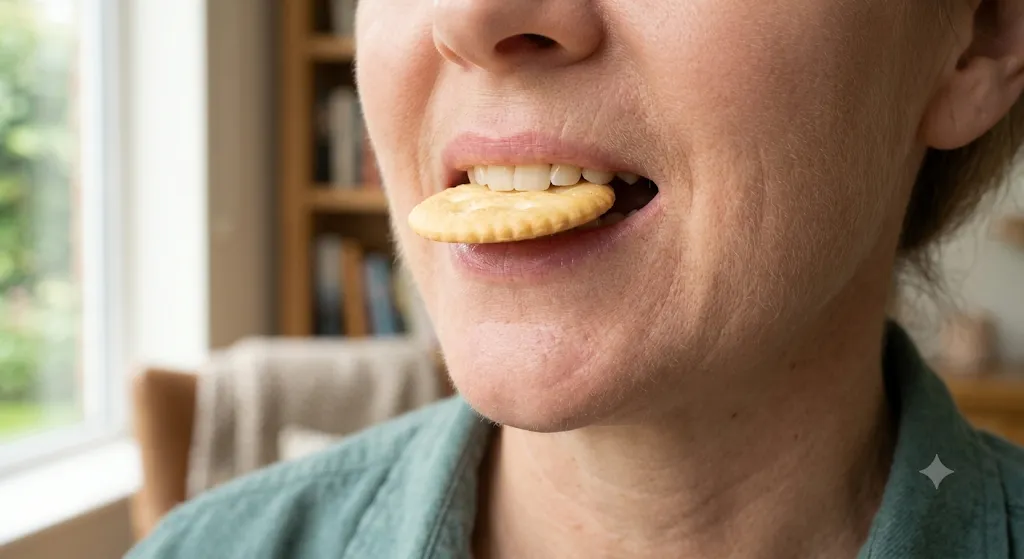
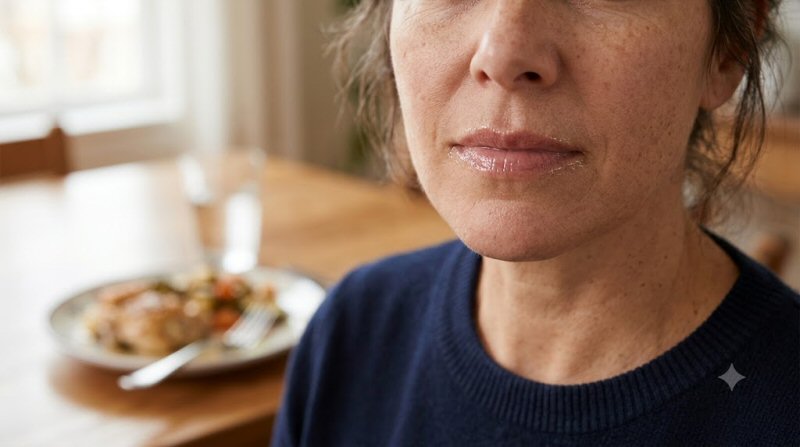
A chill after a meal is usually blood shifting to the gut, a cold drink, or a quiet sit in a draft — not a failing metabolism — unless it comes with fainting, black stools, or all-day cold intolerance.
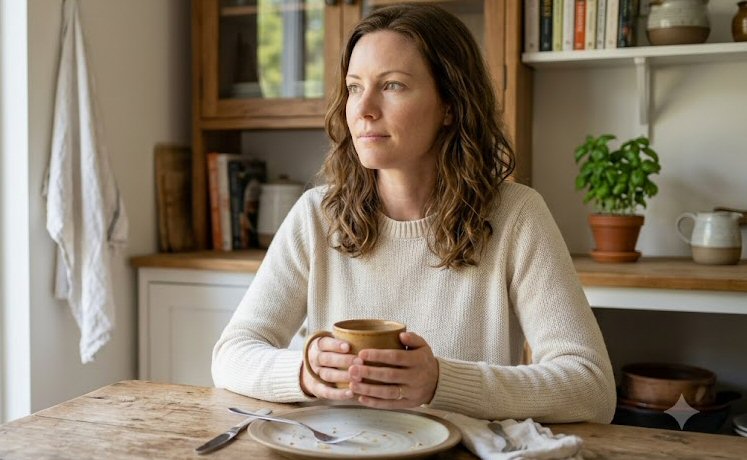
You finish lunch, push the plate away, and within a few minutes your hands feel like they belong to someone else. A sweater that was fine at noon is suddenly not enough. The room has not changed. The meal has.
A short chill after eating is a common, usually harmless quirk of how blood and heat are shared. Digestion is not a free side task. The gut asks for a larger share of blood flow, skin often gives some up, and if the drink was cold or you sat still in a draft, the chill is easy to notice. It is worth understanding, because the same meal can also make some people sleepy, lightheaded, or genuinely hypoglycemic — and those are different stories.
What This Chill Feels Like
It usually starts in the hands, feet, nose, or the back of the neck, not as a fever-style inner cold. Fingers look a little paler. You want a mug, a cardigan, or to move your shoulders. It often peaks in the first half hour and fades over the next hour or two as the meal settles.
Some people feel it only after a large lunch, only after iced water, or only in an air-conditioned office. Others notice a clammy, shaky cold two to four hours later, which is a different timing and a different mechanism. A chill that arrives with sweating, a racing heart, and an urge to lie down is also a different pattern from simple cold hands.
Common Reasons a Meal Makes You Cold
The ordinary explanations are mechanical and local.
Blood leaves the skin for the gut. After a mixed meal, flow in the superior mesenteric artery — the main supply to much of the small intestine — rises well above the fasting level and can roughly double. Physiologists including D. Neil Granger, Ching-Chung Chou, and Claudio Moneta documented that postprandial intestinal hyperemia. Loring B. Rowell’s work on the splanchnic circulation made the trade-off plain: the gut’s share of cardiac output goes up, and skin and muscle may lend volume. Cooler skin feels like a colder you, even when core temperature is stable.
The food itself was cold. Ice water, a smoothie, or a refrigerated salad lowers the temperature of the stomach contents. The body spends heat warming that load before diet-induced heat production has caught up. Eric Jéquier described the thermic effect of food as a real rise in heat production, often on the order of a tenth of the meal’s energy on a mixed diet, higher when protein is a larger share. That heat arrives over hours. A cold drink arrives in minutes.
You stopped moving. Walking generates heat and keeps peripheral flow interested. Sitting at a desk after lunch, under a vent, removes both. The same meal outdoors on a mild walk rarely feels as chilly.
A sugary meal can overshoot. A large refined-carbohydrate load drives insulin. In some people glucose then dips a few hours later. Philip Cryer’s descriptions of hypoglycemia include autonomic signals — sweating, shakiness, a cold clammy feeling — that are easy to label as “I get cold after I eat,” even though the clock says mid-afternoon, not right after the fork went down.
Why the Body Does This
Digestion is a high-flow job. The intestinal lining has to absorb nutrients, and local metabolites plus gut hormones widen the vessels feeding the working segment of bowel. That is useful. It is also why a big meal and a hard workout compete: Rowell showed that the splanchnic bed and working muscle both want blood, and the body prioritizes.
Skin is the adjustable radiator. When the gut takes a larger share, cutaneous vessels can narrow, especially in the hands, where arteriovenous shunts control a lot of heat loss. You feel that as cold fingers. Core temperature may even edge up later from the thermic effect Klaas Westerterp and Jéquier measured, which is why some people feel warm an hour after a protein-heavy meal and cold in the first twenty minutes. Both can be true on the same day.
A short walk after eating pulls some of that shared blood into leg muscle and uses the glucose the meal just delivered. That is one reason a walk after meals often feels better than a still chair, for both temperature and the afternoon slump.
Less Common but Real Causes
Most post-meal chills are redistribution and a cold drink. A few patterns deserve a name.
Postprandial hypotension. In some older adults, blood pressure falls clearly after a meal because the gut takes volume and the usual reflexes do not fully compensate. Lewis A. Lipsitz and later Rene Jansen described this: lightheadedness, weakness, sometimes cool clammy skin, usually within an hour of eating. It overlaps with the dizzy-after-a-big-meal pattern, and a chill alone is not the diagnosis. A measured drop, near-fainting, or falls are.
Dumping after stomach surgery. If part of the stomach has been bypassed or removed, food can arrive in the small bowel too fast. Early dumping, described in classic surgical writing from Arthur Hertz onward and reviewed in modern form by Jan Tack, brings palpitations, a need to lie down, sweating, and sometimes flushing or a cold sweat within about half an hour. Late dumping is a hypoglycemic chill one to three hours later.
Anemia or low iron. Less oxygen-carrying capacity makes hands and feet easier to chill. A meal does not cause the anemia, but sitting still afterward makes the cold obvious. Black stools, heavy periods, or unusual fatigue belong in a clinic conversation.
Thyroid under-activity. Cold intolerance that is present all day — not only for twenty minutes after lunch — with fatigue, dry skin, and a slowed pace can be hypothyroidism. A chill tied tightly to the plate is a weak clue by itself.
Panic or a vasovagal dip. A large meal, a warm room, and standing up quickly can drop pressure and leave a cold sweat. That is a circulation event, not a “slow metabolism.”
Hidden Triggers That Make an Ordinary Meal Feel Worse
A few habits stack the chill.
Iced drinks with every course. The gut warms them. You feel the invoice in your fingers.
A meal that is mostly refined starch and almost no protein. The thermic effect is smaller than with protein, and the glucose swing is larger. Sleepiness and a later clammy dip often travel together, which is the same neighborhood as feeling sleepy after a meal.
Eating and then sitting under a ceiling vent, or in a car with the air conditioning on your hands.
Very large portions. More food, more splanchnic demand, more chance of a pressure dip in people who are sensitive.
Skipping breakfast and then eating a huge lunch. The contrast is sharper.
Tight clothing at the waist. It does not cause the chill, but it makes a full stomach feel worse and encourages you to stay very still.
Low daytime activity overall. People who barely walk between meals have less muscle heat in reserve when skin flow drops.
When to Worry
A brief cold-hands feeling that fades as you move, sip something warm, or wait out the hour is ordinary.
Seek care sooner if the chill comes with fainting or near-fainting, chest pain, a new irregular heartbeat, black or bloody stools, vomiting that will not settle, one limb that is cold and pale or painful, unexplained weight loss, or a cold intolerance that fills the whole day along with marked fatigue. After gastric or bariatric surgery, sweating, palpitations, and an urgent need to lie down after meals should be discussed as possible dumping, not shrugged off as “I run cold.”
A chill with confusion, slurred speech, or weakness on one side is an emergency, not a digestion story.
Myths vs Facts
Myth: Feeling cold after eating means your metabolism has crashed.
Fact: Heat production usually rises after a meal. The chill is often skin giving up blood, or a cold drink, not a sudden metabolic failure.
Myth: Only people with a thyroid problem notice this.
Fact: Thyroid cold intolerance is typically all day. A plate-timed chill is much more often circulation and meal temperature.
Myth: You should never walk after eating.
Fact: A gentle walk is usually helpful for glucose and for how warm your hands feel. Save hard intervals for later if a huge meal makes you queasy.
Myth: Cold hands after lunch mean poor circulation that will only worsen.
Fact: Temporary redistribution is how a working gut is supplied. It is not the same as arterial disease, which is usually effort pain in a calf, not a post-lunch shiver.
Myth: A hot spicy meal and a cold salad should feel the same.
Fact: Capsaicin and a warm meal push skin flow outward. An iced meal does the opposite at first. The menu matters.
How to Manage It
Keep the drink closer to room temperature if iced water is the obvious trigger. A warm mug with the meal is a simple test: if the chill shrinks, temperature of the intake was doing a lot of the work.
Build the plate with protein and some fiber, not only a refined starch. The thermic effect is a bit higher, and the later glucose dip is less likely.
Eat a size you can move after. A short walk of ten minutes — hallway, block, office stairs — brings muscle into the blood-flow conversation and often warms the hands faster than sitting under a vent.
Layer something light before you sit down to eat in a cold office, and aim the air vent away from your forearms.
If the cold clammy feeling arrives two to four hours later, note what you ate. A pattern of juice, pastry, or a large white-rice meal is a reason to test a more mixed plate, not a reason to graze sugar to chase it.
People with known postprandial drops in blood pressure often do better with smaller meals, fewer large carbohydrate loads, and not standing still right after eating. That is a clinician-guided pattern, not a self-diagnosis.
When to See a Doctor
Make an appointment if the chill is new and paired with dizziness, if you have had stomach surgery, if you are losing weight without trying, if periods are very heavy, or if cold intolerance, constipation, and fatigue have been building for months. Bring a simple note: how soon after eating, which foods, whether you sweat or nearly faint, and whether your hands are cold the rest of the day too.
Testing, if needed, is ordinary — glucose timing, blood count, iron, thyroid — aimed at the pattern, not at a single chilly lunch.
FAQs
Why do my hands get cold right after lunch but not after a small snack?
A larger meal asks for more intestinal blood flow. Skin, especially the hands, often narrows to share volume. A snack may not move the needle enough to feel.
Is this low blood sugar?
Only if the timing fits. Right after the first bites, low glucose is unlikely. A shaky, sweaty, cold feeling two to four hours after a sugary meal can be a dip. Finger-stick timing, if you and your clinician want it, should match the symptom, not the moment you stand up from the table.
Does a chill after eating mean I have a slow thyroid?
Usually no. Hypothyroidism tends to make you cold across the day. A meal-locked chill with otherwise normal energy is a poor standalone clue.
Why is it worse with iced coffee?
You are asking the body to warm a cold fluid inside the stomach at the same moment the gut is claiming blood. Room-temperature or warm drinks remove that extra heat debt.
Should I skip the walk if I already feel cold?
A gentle walk is more likely to help than to hurt, as long as you are not dizzy. If you feel faint, sit or lie down first. Hard exercise on a very full stomach is the part worth delaying.
Can anemia cause this?
Anemia can make hands and feet cold in general, so a meal-related shift is easier to notice. It does not mean every post-lunch chill is anemia. Heavy periods, black stools, or unusual tiredness are reasons to check.
Conclusion
Feeling cold after you eat is, for most people, a timing problem between a hungry gut, cooler skin, and a drink that arrived colder than you did. The meal is usually raising heat production, not shutting it off. Warm the drink, shrink the largest plates a little, add protein, and walk the chill off. Keep the more serious list in mind — fainting, black stools, post-surgery dumping symptoms, all-day cold with fatigue — and let a single chilly half hour after lunch stay what it usually is: blood doing its job somewhere you cannot see.