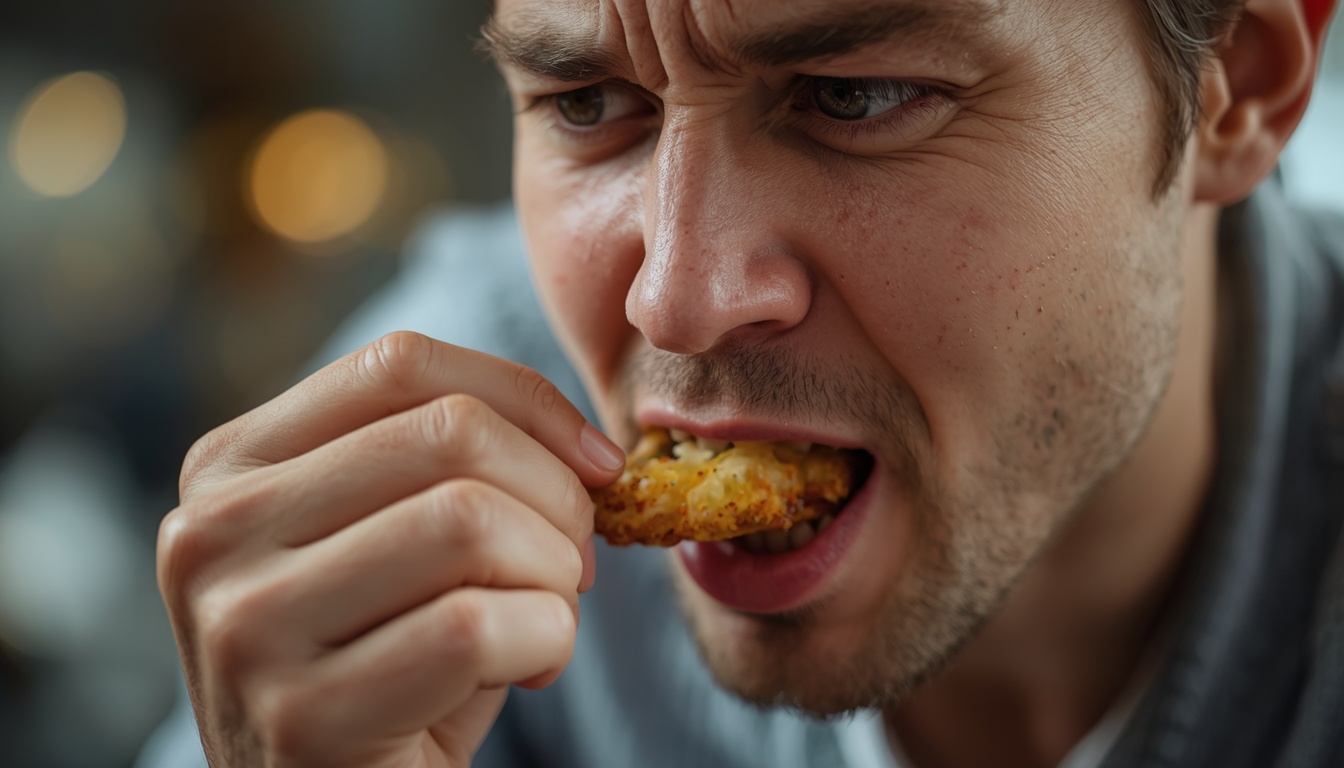
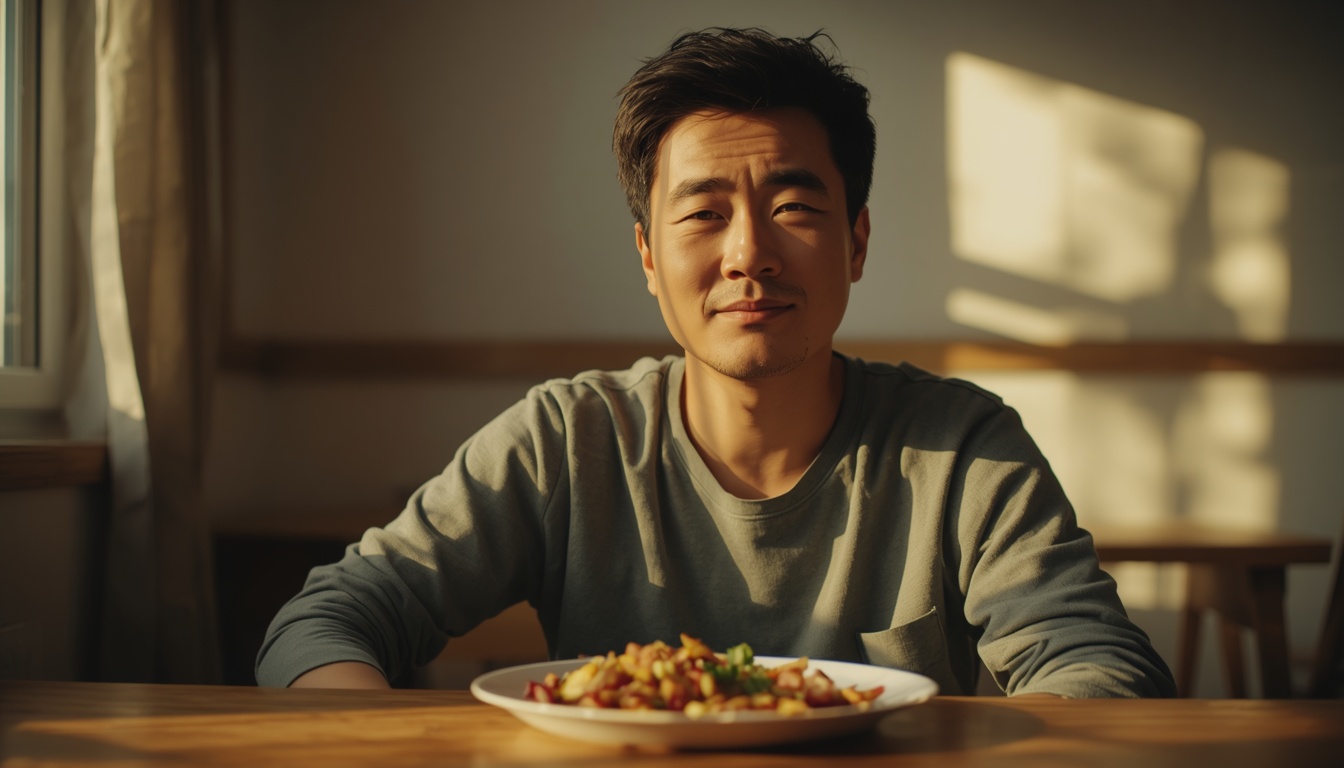
The plate is empty. Ten or twenty minutes later your eyelids feel lined with sand, the next sentence on the screen looks slightly farther away, and a short lie-down starts to sound like a medical necessity. People blame the turkey, the carbs, the “food coma,” or a secret vitamin gap. Most of the time the spell is ordinary physiology doing three jobs at once: digesting a real meal, riding a built-in afternoon dip in alertness, and turning down the brain’s wake chemicals after glucose arrives.
Yes — it is normal to feel sleepy after a meal, especially a larger lunch, especially in the early afternoon. The useful question is not whether the dip exists. It is which part of the meal and the clock made it louder, and when the same heavy feeling is trying to say something else.
What Post-Meal Sleepiness Feels Like
The common pattern is mild and time-limited:
- Warm heaviness behind the eyes 15 to 60 minutes after eating
- Slower thinking and a shorter fuse for detailed work
- A wish to sit still rather than stand or walk
- Yawning that was not there before the plate arrived
- A clearer head after a short walk, brighter light, or 20 minutes of rest
- Stronger sleepiness after a big, fast, high-carbohydrate or high-alcohol lunch than after a modest mixed plate
It is usually not a blackout. You can still talk. You can still stand. You just feel as if the volume knob on wakefulness was turned down one or two notches.
That same window is when many people notice brain fog after lunch — a cousin of the same meal-and-clock mix rather than a separate disease.
Why a Meal Makes You Drowsy
Several honest mechanisms stack. None of them requires a diagnosis.
The afternoon clock dip
Alertness is not flat across the day. Circadian researchers including Timothy Monk have described a reliable early-afternoon trough in performance and subjective alertness — sometimes called the post-lunch dip — that appears even when lunch is skipped. The body clock, described in the two-process model associated with Alexander Borbély, already leans toward a quieter stretch in the hours after midday. A meal lands on top of that lean. That is why a huge breakfast at 8 a.m. rarely knocks people out the way the same calories do at 1:30 p.m.
Rest-and-digest is a real shift
After you swallow, the parasympathetic nervous system increases blood flow to the gut, motility, and enzyme release. Heart rate and blood pressure can ease a little in healthy people. The brain is not “losing blood to the stomach” in the cartoon sense — cerebral blood flow is tightly protected — but the autonomic mix does tilt away from fight-or-flight and toward processing a load. Warmth, stillness, and a dim indoor room amplify that tilt.
Glucose turns down orexin
Orexin (hypocretin) neurons in the hypothalamus help keep you awake. Work associated with Takeshi Sakurai and later cell studies by groups including Akihiro Yamanaka showed that rising glucose can inhibit those wake-promoting cells. A large, fast carbohydrate load is a louder signal than a slow mixed meal. Insulin and gut hormones ride along. That is one reason a pastry-and-juice lunch can feel sleepier than eggs, vegetables, and oil with the same calories.
Meal size and speed
A bigger gastric load stretches the stomach, raises cholecystokinin and other satiety signals, and asks more of digestion. Eating quickly piles the load into a shorter window. The pancreas still prefers chewing and time before glucose arrives, which is why a bolted lunch and a paced lunch of the same foods do not feel the same an hour later. That mismatch is the same theme as why the pancreas still expects chewing and time.
Alcohol and a warm room
Alcohol is a sedative that also drops inhibition of sleep pressure. A glass of wine with lunch plus a heated office is a classic amplifier. So is a windowless room after a short night.
The Turkey-and-Tryptophan Story
Thanksgiving lore says turkey’s tryptophan knocks you out. The amino acid is real. The leap is not.
John Fernstrom and Richard Wurtman showed decades ago that carbohydrate-driven insulin can change the ratio of tryptophan to other large neutral amino acids and, in some conditions, raise brain tryptophan and serotonin. Two caveats keep the turkey myth in its place. First, turkey is not uniquely high in tryptophan compared with other meats. Second, a protein-rich meal floods the blood with competing amino acids that use the same transporter into the brain, which blunts the tryptophan rise. The sleepier holiday afternoon is far more often a large mixed meal, alcohol, a warm room, and the clock than a special turkey molecule.
Hidden Triggers That Make the Dip Louder
- A short night or a late bedtime the day before
- A lunch that is the first real food after coffee-only morning hours
- Ultra-refined carbohydrates with little protein, fiber, or fat
- Eating in under ten minutes
- A dark, warm, still room and a screen at close range
- Alcohol with the meal
- Antihistamines, some blood-pressure medicines, or a new sedating prescription
- Long sitting immediately after the last bite
- A body clock already shifted by sleeping in, which is why weekends can make Monday lunch feel worse
A short walk after eating works in the opposite direction. Muscle soaks up some of the glucose, light and motion feed alertness, and the same habit is the one described in why blood sugar still expects a walk after meals.
When Sleepiness After Eating Is Not “Just Lunch”
See a clinician if any of the following show up:
- You fall asleep uncontrollably at the table or while driving
- The dip comes with shaking, sweating, confusion, or a pounding heart — possible low glucose in people on insulin or certain diabetes medicines
- Lightheadedness on standing after the meal, especially in older adults — postprandial hypotension, a pattern studied in work associated with Lewis Lipsitz
- Loud snoring, witnessed pauses in breathing, morning headaches, or sleepiness that is just as bad on days you barely eat — possible sleep apnea or another sleep disorder
- Weight loss, greasy stools, or pain with meals
- Sleepiness that is new, progressive, and detached from meal size or time of day
- Known diabetes with wild swings after specific foods
Post-meal hypotension is more common with age, large carbohydrate loads, and some medicines. It is not the same as ordinary heavy eyelids. Dizziness plus a drop in standing blood pressure after eating deserves a check, not another cup of coffee as the only plan.
Myths vs Facts
Myth: Feeling sleepy after lunch means the food was toxic or “inflammatory.” Fact: Healthy meals also trigger rest-and-digest and a clock dip. Size, speed, and timing matter more than a moral label on the plate.
Myth: Turkey is uniquely sedating because of tryptophan. Fact: The amino acid story is more about carbohydrate-insulin ratios in lab conditions than about one holiday bird.
Myth: Blood leaves your brain and pools in your stomach. Fact: The gut does receive more blood flow. The brain’s supply is guarded. The drowsy feeling is neural and hormonal, not a shortage of oxygen upstairs.
Myth: If you were “healthy” you would never need a post-lunch pause. Fact: Siesta cultures built a short rest into the same circadian trough. Fighting a mild dip with another large sweet snack often makes the next hour worse.
Myth: Coffee with lunch cancels the physiology. Fact: Caffeine can mask sleepiness. It does not erase meal size, alcohol, or a 3 a.m. bedtime.
How to Make the Dip Smaller
You do not have to give up lunch. You can change the landing.
- Eat enough protein, fiber, and some fat with the starch so glucose rises more slowly
- Slow the meal down. Put the fork down between bites. Finish in 20 minutes rather than 6
- Keep lunch a little smaller than the evening plate if afternoons are your work window
- Step outside for 10 minutes of easy walking and daylight after the last bite
- Brighten the room. Dim warm light after a meal is a sleep cue
- Save alcohol for later in the day when you are allowed to be less sharp
- Protect the night before. A short sleep makes every meal look like a pillow
- If you nap, keep it early and short — about 10 to 20 minutes — so you do not steal from tonight
- Drink water with the meal, not a second dessert disguised as a blended drink
None of this is a personality upgrade. It is matching a hunter-gatherer digestive program and a siesta-shaped clock to an office that still wants you articulate at 2:15.
Frequently Asked Questions
Is it normal to get sleepy after every meal or only after lunch?
Both happen. Lunch is louder because it collides with the afternoon circadian trough. A very large late dinner can still make you drowsy, which is one reason people fall asleep on the sofa after a feast.
Does this mean I have diabetes?
Not by itself. Diabetes and reactive hypoglycemia have other signs: thirst, frequent urination, unexplained weight change, or shakiness and confusion after high-sugar meals. Sleepiness alone after a big plate is common in people with normal glucose.
Why do I feel worse after pasta than after a salad with chicken?
Faster-digesting starch plus a large portion raises glucose and insulin more sharply and asks more of the gut. Protein, vegetables, and oil slow the same total calories. The difference is pacing, not a pasta curse.
Should I skip lunch so I stay awake?
Usually no. An empty afternoon often rebound-hunts snacks and can worsen the 3 p.m. wall. A modest mixed lunch plus a walk beats a skipped meal plus a pastry at 4.
Can a 20-minute nap after lunch help?
For many people, yes — if it is short and not too late. A long nap can leave you groggy and delay night sleep. Light and walking are the better first tools if you must be sharp immediately.
Why do older relatives get dizzy, not just sleepy, after a big meal?
Aging arteries and some medicines blunt the ability to keep blood pressure up when the gut asks for more flow. That is postprandial hypotension, not ordinary food coma, and it is worth mentioning to a clinician.
When to See a Doctor
Book a visit if meal-related sleepiness is sudden, extreme, or paired with fainting, chest symptoms, breath pauses at night, or glucose swings. Bring a two-week note of what you ate, what time the dip hit, how long it lasted, and whether walking or light changed it. That diary is more useful than a vague complaint that “food makes me tired.”
Conclusion
A heavy spell after a meal is usually your clock, your autonomic nervous system, and a reasonable digestive load arriving at the same hour. It is not proof that lunch was a mistake or that wakefulness should be perfectly flat from breakfast to dusk. Shrink the plate a little, slow the bites, add a short walk and some daylight, and protect last night’s sleep. The dip often shrinks to a quiet nod rather than a collapse — which is exactly as normal as it sounds.