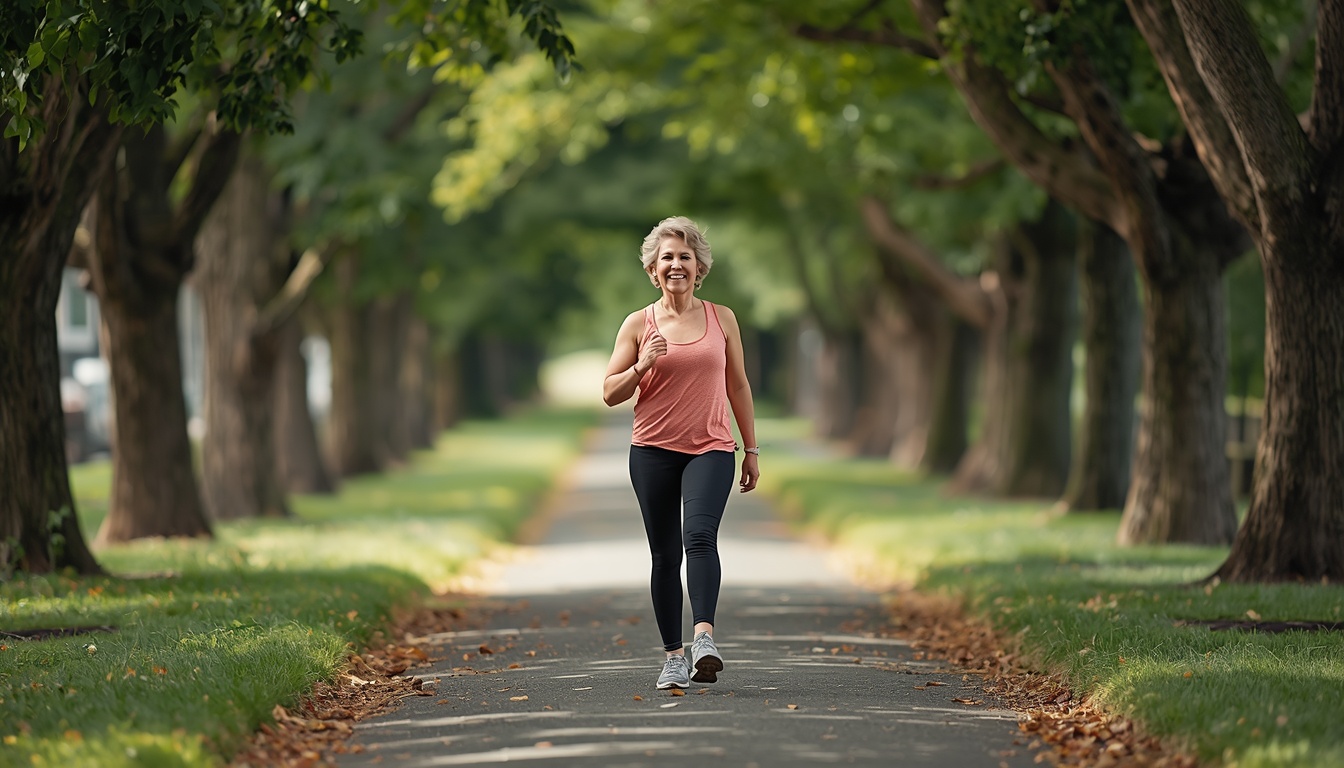
For most of human history, a meal was not the start of a seated hour. It was fuel for the next stretch of walking, carrying, standing, or working with the hands. Muscles that had just been used were ready to take sugar out of the blood. Insulin still mattered. It did not have to do the job alone.
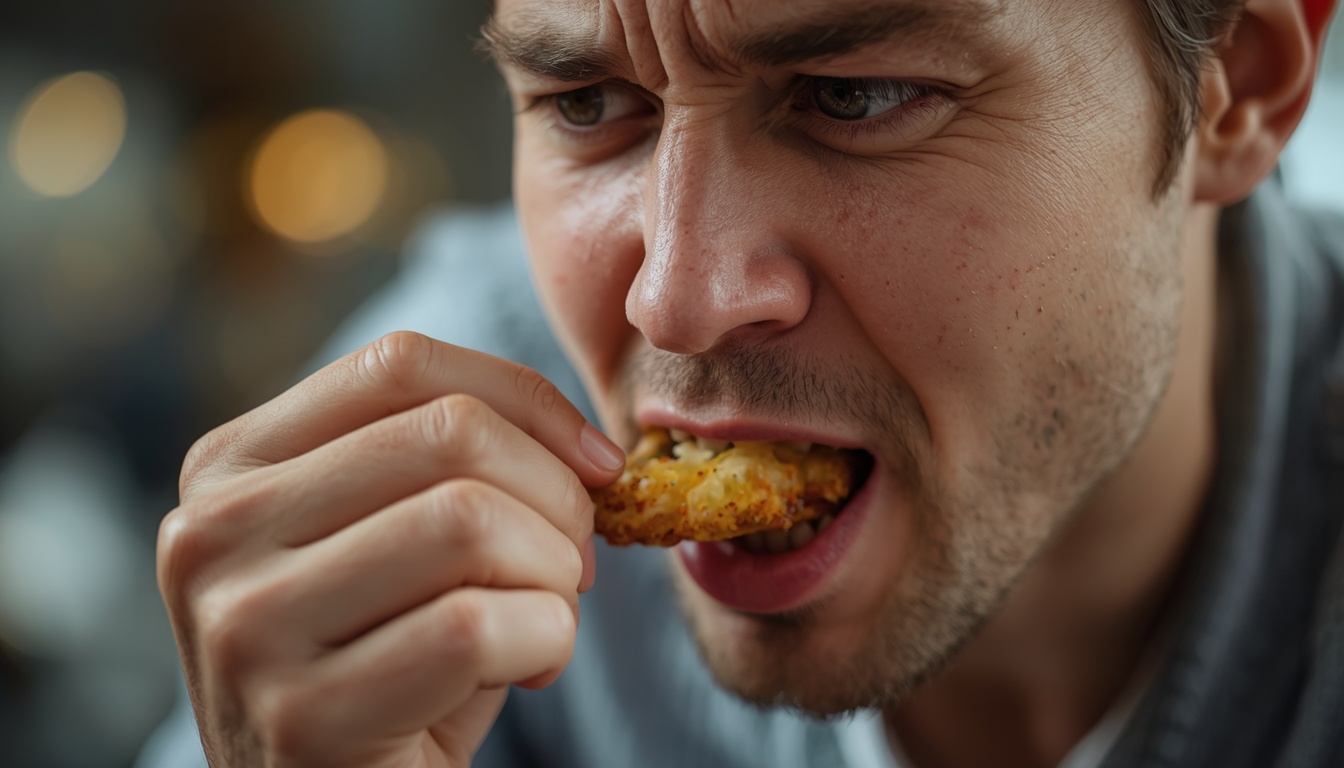
That pairing — eat, then move — is so ordinary that we stopped noticing it. Modern life flipped the sequence. We eat, then sit. The pancreas still releases insulin. The large muscle tanks that could have absorbed glucose stay quiet. Blood sugar rises higher and stays up longer than the same meal would have produced on a walking day.
This is not a moral story about willpower. It is a design story about a fuel system built around movement after food.
What a Mismatched Glucose Curve Feels Like
A large post-meal spike does not always feel like “high blood sugar.” It often feels like the afternoon that follows.
A burst of energy, then a slump. Heavy eyelids an hour after lunch. Irritability that arrives before the next meal. A craving for something sweet when the meal was already large. Trouble concentrating in the first work block after eating. Some people feel fine and only see the pattern on a glucose monitor. Others feel the crash without ever naming the cause.
None of these prove diabetes. They are what a movement-dependent disposal system looks like when disposal is postponed.
How the System Was Designed to Work
After you eat carbohydrate, glucose enters the blood. Two main doors take it out:
- Insulin opens doors on muscle, liver, and fat cells
- Muscle contraction opens a second set of doors that do not need as much insulin
That second door is the ancestral advantage. Contracting muscle pulls glucose in through GLUT4 transporters even when insulin is modest. Walking after a meal uses large muscle groups — calves, thighs, hips, postural muscles — at a low cost. The meal becomes movement fuel instead of a lingering peak.
Hunter-gatherer and agrarian days stacked this automatically. You ate, then returned to walking, standing, carrying, and varied work. There was no dedicated “glucose protocol.” The day was the protocol.
Research groups studying postprandial glucose have repeatedly found that light walking after meals flattens the curve more reliably than the same walking done at another time of day. Timing matters because that is when the sugar is actually in the blood.
Why This Happens in Modern Life
Three modern habits stack:
First, meals are often denser in refined starch and rapid sugar than ancestral plates. The incoming load is larger and faster.
Second, the hours after meals are the most seated hours of the day — desks, sofas, cars, screens. The muscle doors stay closed.
Third, many people train hard at one compressed hour and sit the rest. Training improves insulin sensitivity over weeks. It does not fully replace the missing after-meal pump on an ordinary Tuesday.
Add poor sleep, high stress, and late eating, and the same meal that once cleared on a walk now produces a taller peak and a longer tail.
Less Common but Serious Causes
Not every slump after eating is a lifestyle mismatch. Seek medical care if you have excessive thirst, frequent urination, unexplained weight loss, recurrent infections, or glucose readings in the diabetic range. Prediabetes and diabetes need clinical follow-up. Medications, thyroid disease, and some gut conditions can also change post-meal energy.
Reactive hypoglycemia — a sharp drop after a spike — can feel alarming. It still often improves when meals include protein, fiber, and a short walk, but recurring episodes deserve evaluation.
This article is about the common pattern: an intact system asked to clear modern meals without the movement it was built around.
Hidden Triggers
Several ordinary habits amplify the after-meal peak:
- Eating quickly while already seated for the next two hours
- Liquid sugars and refined starch with little protein or fiber
- Very large portions compressed into one sitting
- Late dinners followed by lying down
- Sleeping short the night before, which raises insulin resistance the next day
- High stress at the table, which can shift fuel handling toward circulating glucose
None of these require perfection to fix. Changing one — especially the walk — often changes the feel of the whole afternoon.
When to Worry
Pay attention if slumps become extreme, if you need sugar to function between meals, if a home monitor shows repeated high readings, or if family history of diabetes is strong and your waistline and energy are shifting together. Those are reasons to involve a clinician, not reasons to panic alone with lifestyle advice.
A single high reading after a celebration meal is information, not a diagnosis.
Myths vs Facts
Myth: Only intense exercise lowers blood sugar.
Fact: Light walking after meals is often more useful for the immediate curve than a hard workout at another hour.
Myth: If you are lean, post-meal spikes do not matter.
Fact: Lean people can still have tall spikes from refined meals plus sitting. Energy, mood, and long-term vascular load still care about the curve.
Myth: You must wait 30 minutes after eating to move.
Fact: Gentle walking can start as soon as you leave the table. There is no required delay for an easy stroll.
Myth: A walk cannot compensate for a modern meal.
Fact: It cannot erase every dietary choice. It reliably shrinks the peak of many ordinary meals.
How to Manage in a Modern Day
You do not need a new identity as an athlete. You need the missing ten minutes.
- Walk 10 to 15 minutes after your largest meal. Easy pace is enough.
- If outdoors is hard, walk corridors, stairs, or a parking loop.
- Stand and tidy, wash dishes, or pace a call if a walk is impossible.
- Build meals with protein, fiber, and intact plants so the incoming rise is slower.
- Keep the hardest sitting block away from the heaviest meal when you can.
- Protect sleep. Yesterday’s short night is today’s steeper curve.
People who use continuous glucose monitors often see the walk as a visible dip. You do not need a monitor to use the principle. If afternoons feel cleaner after a stroll, the system is doing what it evolved to do.
When to See a Doctor
See a clinician if you have symptoms of diabetes, a history of gestational diabetes, polycystic ovary syndrome with rising weight, or home readings that stay high. Bring a simple log of meals, walks, and how you felt. That is more useful than a vague sense that “sugar is off.”
Do not stop prescribed medication because walking helped a curve. Movement is an addition, not a silent replacement for medical care.
FAQs
How soon after eating should I walk?
As soon as it is comfortable. Many people start within 5 to 15 minutes. The goal is to use muscle while glucose is entering the blood.
Is standing as good as walking?
Standing is better than slumping. Walking is better than standing because it contracts more muscle.
What if I eat at a desk?
A short loop after lunch still counts. Even five minutes is not zero.
Does this work for people with diabetes?
Light post-meal walking is widely used as support. It does not replace medication, carbohydrate planning, or medical advice.
Can I do strength training instead?
Strength work improves insulin sensitivity over time. For the immediate after-meal curve, easy walking is the tool that matches the moment.
What about coffee or a sweet drink after the meal?
Extra rapid sugar adds to the load the walk is trying to clear. A walk still helps. Pairing it with a less liquid-sugar meal helps more.
Conclusion
Your blood sugar system is not broken because a modern lunch is followed by a dip. It is a muscle-fed disposal system waiting for the walk that used to come free with every meal.
You cannot rebuild a foraging day. You can restore the smallest piece of it: leave the table and move your legs while the fuel is still in the blood. That is not a trend. It is the physiology your body already knows.