Hands feeling cold after exercise is common due to blood flow shifts and cooling. Learn the science, when it’s normal, and simple ways to manage it.
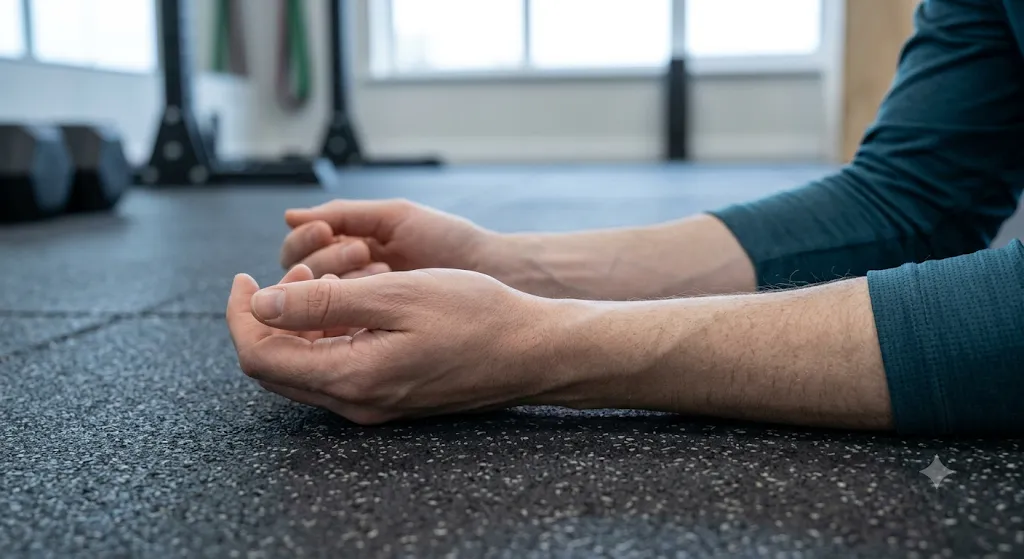
You finish a solid run, a strength session, or a long walk, and your core feels warm while your hands stay oddly cool or even chilly. It can feel surprising—exercise is supposed to get blood moving, yet the extremities lag behind. For most people this is a normal, temporary response to how the body prioritizes blood flow and temperature during and right after activity. It usually fades within minutes to an hour as circulation rebalances.
What This Symptom Feels Like
The sensation is typically a cool or cold feeling in the fingers and palms, sometimes with pale or mottled skin, while the rest of the body still feels warm from the effort. Hands may feel a bit stiff or less sensitive to touch until they warm up. It is usually symmetric (both hands) and improves once you stop moving, towel off, and sit or walk gently. Many people notice it more after outdoor workouts in cooler weather or after high-intensity sessions that produce a lot of sweat.
Common Causes
Several ordinary factors combine to produce cold hands after exercise:
- Blood is directed preferentially to large working muscles (legs, glutes, core) and the heart, leaving less volume in the skin vessels of the hands.
- Sweat evaporates from the skin and cools the surface faster than core heat can replace it.
- Mild dehydration or low blood volume makes peripheral circulation more cautious.
- Cool ambient air or a breeze after stopping exercise removes heat from exposed hands.
- Post-exercise drop in metabolic heat production once the large muscles slow down.
These are the same mechanisms that can leave feet cold in a warm room after sitting, only triggered by the abrupt shift from exercise to rest. See also how feet can stay cold even indoors for a related circulation pattern.
Why This Happens
During sustained exercise the cardiovascular system performs a large redistribution. Cardiac output rises several-fold, and active skeletal muscle receives the majority of the extra blood through local vasodilation. Skin blood flow also increases to dissipate heat, but once you stop, the large muscles no longer demand the same volume and the body begins to conserve heat. Peripheral cutaneous vessels, especially in the hands and feet, can constrict relatively quickly via sympathetic control to protect core temperature.
Classic work by exercise physiologist Loring B. Rowell and colleagues mapped how blood flow is shunted away from inactive regions and how skin flow is tightly regulated by both local temperature and central commands. After the session ends, the sudden reduction in muscle pump activity and the cooling effect of residual sweat can make the hands feel colder than the torso for a short period. The same temperature-contrast system that expects occasional outdoor swings (rather than constant climate control) is simply operating in reverse once the heat load drops. Related reading: why circulation still expects temperature contrast and why hands still expect occasional cold exposure.
Less Common but Serious Causes
Cold hands after a workout are almost always benign. Less common contributors include:
- Raynaud’s phenomenon—fingers turn white or blue then red with cold or stress; exercise can sometimes trigger it if the ambient temperature is low.
- Significant dehydration or low blood pressure that slows overall peripheral flow.
- Anemia or thyroid under-activity that reduces metabolic heat production.
- Rare vascular or nerve issues that affect only one hand.
These are uncommon in otherwise healthy people whose only symptom is temporary coldness that resolves with rest and warming.
Hidden Triggers
A few everyday factors make the sensation more noticeable:
- Working out in an air-conditioned gym and then stepping into a cooler hallway.
- Holding a cold water bottle or using cold towels immediately after finishing.
- Tight sleeves or watches that mildly compress the wrist vessels.
- Low carbohydrate intake or a long gap between meals before exercise, which can amplify the post-effort blood-flow shift.
- Recent caffeine, which can mildly increase peripheral tone in some people.
When to Worry
Seek medical advice if cold hands after exercise are accompanied by:
- Persistent color changes (white, blue, then painful red) that last more than a few minutes.
- Numbness, weakness, or pain that does not improve with warming.
- Symptoms that affect only one hand or that appear at rest without exercise.
- Chest pain, unusual shortness of breath, dizziness, or fainting during or after activity.
- Slow-healing sores or skin changes on the fingers.
Otherwise the pattern is expected and self-limited.
Myths vs Facts
Myth: Cold hands after a workout mean poor circulation or heart problems.
Fact: Temporary redistribution of blood away from the skin of the hands is a normal response once large-muscle demand drops; it does not indicate disease in healthy people.
Myth: You should force your hands into hot water right away.
Fact: Gradual warming with room-temperature air, gentle movement, or a light jacket is safer and more comfortable than sudden extremes.
Myth: Only outdoor winter workouts cause this.
Fact: Indoor sessions that produce heavy sweating followed by cool air or fans can produce the same effect.
How to Manage It
Simple steps usually restore comfort quickly:
- Keep moving gently for a few minutes after the main workout (easy walk, arm circles) so the muscle pump continues to support venous return.
- Dry off sweat promptly and put on a light long-sleeve layer or gloves if the room is cool.
- Rehydrate with room-temperature or slightly warm fluid rather than ice-cold drinks.
- Massage the hands lightly or swing the arms to encourage local blood flow.
- Avoid immediately gripping very cold objects.
- If you train outdoors, schedule a short warm-down indoors when possible.
Most people find the coldness fades within 10–30 minutes with these adjustments. Persistent dry mouth after the same sessions is often linked to the same fluid shifts—see mouth dryness after a workout for related tips.
When to See a Doctor
Make an appointment if cold hands are frequent, asymmetric, accompanied by color changes that do not resolve, or if you have other unexplained symptoms such as unusual fatigue, joint pain, or skin changes. A clinician can check blood pressure, basic labs, and, if needed, vascular or rheumatologic evaluation. For the large majority of people who simply notice cool hands after ordinary exercise, no testing is required.
FAQs
Why do my hands feel colder than my legs after a run?
Legs contain the large working muscles that continue to generate and hold heat longer; the hands are mostly skin and small muscles with less metabolic heat once exercise stops, so they cool faster.
Is it worse after strength training than after cardio?
It can feel more noticeable after high-intensity or heavy sessions that produce more sweat and a sharper drop in muscle demand when you stop, but both types of exercise can trigger it.
Does being out of shape make it more likely?
Deconditioned people sometimes notice larger swings because their cardiovascular response and heat-dissipation capacity are less efficient, but fit athletes experience the same temporary pattern.
Can tight wristbands or fitness watches contribute?
Mild compression can slow venous return or skin flow slightly; loosening them after the session often helps the hands warm faster.
Should I worry if my fingernails look pale?
Temporary paleness that returns to normal pink within minutes of warming is common; lasting white or blue color changes deserve a check.
Will drinking more water prevent it?
Staying well hydrated supports overall blood volume and can reduce the intensity of the sensation, but it will not eliminate the normal post-exercise redistribution.
Conclusion
Cold hands after a workout are a routine consequence of blood-flow priority, residual sweat cooling, and the body’s temperature-regulation system. In healthy people the feeling is short-lived and responds to simple warm-down habits, light clothing, and rehydration. Understanding the pattern removes the surprise and lets you finish the session without unnecessary concern. If the coldness ever becomes persistent, one-sided, or paired with color changes or other symptoms, a medical review is the sensible next step—otherwise it is simply the circulation doing its ordinary post-effort job.