Cold feet in a warm room are often just your body protecting its core. Learn the everyday reasons, when it might signal something else, and simple ways to warm them up.
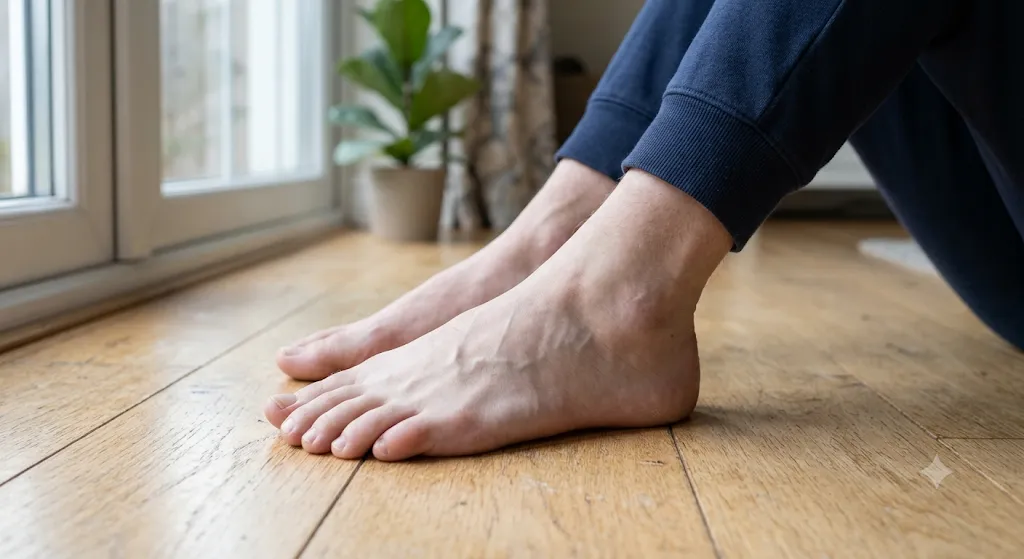
You are sitting in a comfortable room, maybe wearing a sweater, and yet your feet feel icy. You put on thick socks. You even rest them on a heating pad. Still, they stay cool while the rest of you feels fine. This is one of the most common everyday complaints people bring up, and for most of us it is simply how the body manages heat.
Feet are far from the heart and have a large surface area relative to their volume. The body often decides that protecting the core temperature is more important than keeping the toes toasty. When that system works normally, cold feet in a warm room are more of an inconvenience than a warning sign. The key is knowing which patterns are ordinary and which ones deserve a closer look.
What This Symptom Feels Like
Most people describe a steady chill that starts in the toes and spreads through the soles. The skin may look pale or slightly bluish. Socks help for a while, then the cool feeling returns. Sometimes the feet feel cold to the touch; other times they feel cold to you but warm when someone else checks them. The sensation can come and go with sitting, stress, or cooler floors, even when the thermostat reads the same number all day.
It is different from the sharp color changes and pain of Raynaud’s, and different from the numbness that comes with nerve irritation. For many people it is simply a background discomfort that becomes more noticeable once they stop moving.
Common Causes
The most frequent reason is ordinary thermoregulation. Small arteries in the hands and feet constrict when the body wants to conserve heat for the organs. This happens even if the room itself is not cold, especially if you have been sitting still, if the floor is cooler than the air, or if you simply have less insulating body fat around the extremities.
Stress and adrenaline do the same thing. When the nervous system shifts into a more alert state, blood vessels in the skin narrow and blood is redirected toward muscles and the core. Many people notice icy feet during a tense meeting or after a long stretch of focused work.
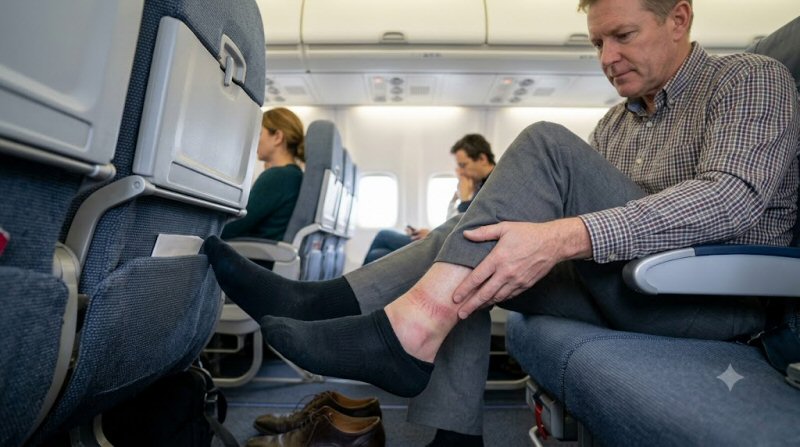
Sitting for hours reduces the muscle pump that normally helps push blood back up the legs. Without that intermittent squeeze from the calves, warmer blood takes longer to reach the feet. Tight socks or shoes that press around the ankles can add a mechanical restriction on top of that.
Why This Happens
Your circulatory system is built to protect core temperature first. Blood vessels in the feet contain specialized connections that can open or close quickly. When they close, less warm blood flows through the skin and the surface cools. Researchers studying human thermoregulation have long noted that the extremities are the first places the body “turns down” when it needs to hold onto heat.
The same design that once helped people survive cooler environments now shows up in offices and living rooms. Because modern life involves so much uninterrupted sitting, the natural movement that would otherwise keep blood circulating through the feet is missing for long stretches. Your veins still expect the calf muscle pump to be working regularly; when it is quiet, the feet cool more easily.
People with lower body fat or higher sympathetic tone often notice the effect more. It is not a failure of circulation so much as a conservative setting that has not yet adjusted to a warm, sedentary day.
Less Common but Serious Causes
Persistent cold feet can occasionally point to reduced blood flow from narrowed arteries, an underactive thyroid that slows overall metabolism, anemia that lowers oxygen-carrying capacity, or nerve changes that alter temperature sensation. In those cases the feet are usually cold for most of the day, not just after sitting, and other symptoms tend to appear alongside them—fatigue, color changes that do not reverse quickly, slow-healing skin, or calf pain when walking.
Peripheral neuropathy can create a false sense of cold even when the skin temperature is normal. That pattern is more common in people with long-standing high blood sugar or certain nutritional shortfalls, and it usually comes with tingling or reduced sensation as well.
Hidden Triggers
Cool tile or concrete floors pull heat away faster than carpet or wood. Crossed legs or a tucked sitting posture can compress vessels at the knees or ankles. Dehydration slightly thickens blood and can make flow less efficient. Even a mild drop in overall activity—working from home without the usual walks between meetings—can leave the feet cooler by late afternoon.
Some medications that affect blood pressure or the autonomic nervous system can exaggerate the same vasoconstriction. Smoking does the same by narrowing small vessels over time. None of these are dramatic on their own, but they stack with sitting and make an ordinary chill more noticeable.
When to Worry
Occasional cold feet that warm up with movement or thicker socks are almost always benign. Pay attention if one foot is consistently much colder than the other, if the skin stays pale or bluish for long periods, if you develop sores that heal slowly, or if coldness arrives with numbness, burning, or pain in the calves when you walk. Sudden severe coldness, color change, or pain in one foot needs prompt medical evaluation.
If cold feet are new, worsening, or accompanied by unexplained fatigue, weight change, or swelling, a simple check of pulses, thyroid function, and basic blood work can rule out the less common explanations.
Myths vs Facts
Myth: Cold feet always mean poor circulation.
Fact: Most of the time they reflect normal heat conservation or reduced movement, not blocked arteries. True circulatory disease usually brings other clear signs.
Myth: If your feet are cold you must have low iron or a thyroid problem.
Fact: Those conditions can contribute, but they are far less common than sitting, stress, cooler floors, or simply being built with efficient heat-saving reflexes. Your fingers turning white in the cold is a related but distinct pattern that also involves temporary vessel narrowing.
Myth: Once feet feel cold they will stay that way until you take a hot bath.
Fact: Gentle movement, warmer socks, and even just standing and walking for a few minutes often restore warmth because they restart the muscle pump and open skin vessels.
How to Manage It
Start with the simplest levers. Wear socks that are snug but not tight, and keep a pair by the desk or couch. A small footstool or heating pad used for short periods can help, but avoid anything that is hot enough to risk burns if sensation is reduced. Stand up and walk for two or three minutes every hour; the calf contraction alone moves a surprising amount of blood.
Warm the room slightly or place a rug over cool flooring. Gentle ankle circles or toe wiggles while seated keep the local vessels from staying constricted. If stress is a clear trigger, a few longer exhales can ease the adrenaline-driven narrowing. Staying hydrated and avoiding long periods of crossed legs removes two quiet contributors.
Your circulation still expects occasional temperature contrast. Brief exposure to cooler air followed by gentle warming can sometimes train the vessels to respond more flexibly, though the main practical step remains regular movement.
When to See a Doctor
See a clinician if cold feet are constant rather than situational, if they are markedly worse on one side, if color changes last more than a few minutes, or if you notice skin breakdown, night pain, or difficulty feeling temperature or touch. Mention any history of smoking, diabetes, high blood pressure, or thyroid issues. Most evaluations start with a simple pulse check and questions about activity; further tests are reserved for cases that do not fit the ordinary pattern.
FAQs
Why are my feet cold but the rest of my body is warm?
The body prioritizes core temperature. Blood vessels in the feet constrict first so heat stays near the organs. This is normal physiology, especially when you are sitting still.
Can stress really make my feet cold?
Yes. Adrenaline narrows skin vessels in the extremities. Many people notice the chill during tense periods even in a warm room, and it eases once the stress response settles.
Do cold feet mean I have bad circulation?
Not usually. Reduced flow from sitting or temporary vasoconstriction is common and reversible. Persistent one-sided coldness, color changes, or walking pain are the patterns more likely to involve actual vessel narrowing.
Should I worry if my feet feel cold but are warm to the touch?
That pattern can come from nerve signaling rather than low blood flow. It is still often benign, but if it is new or paired with tingling or numbness it is worth mentioning to a clinician.
Will walking help cold feet?
Almost always. Even a short walk restarts the calf muscle pump and opens skin vessels, bringing warmer blood to the feet within minutes.
Is it normal for only my toes to be cold?
Yes. Toes have the smallest vessels and the least insulation, so they cool first. As long as color returns quickly and there is no pain or lasting numbness, it fits the ordinary pattern.
Conclusion
Cold feet in a warm room are usually your body’s efficient way of holding onto heat while you sit still. The same reflexes that once protected people in cooler climates now appear in heated offices and living rooms. Most of the time the fix is simple: move a little more often, keep the feet lightly insulated, and avoid the small compressions that slow blood flow. When the chill is constant, one-sided, or joined by other symptoms, a straightforward medical check can confirm that nothing more is going on. In the meantime, those icy toes are more often a reminder to stand up than a sign that something is wrong.