Your hands often feel cold during long still periods because they evolved expecting regular movement to drive blood flow and warmth. Learn why modern stillness mismatches that design and how simple motion helps.
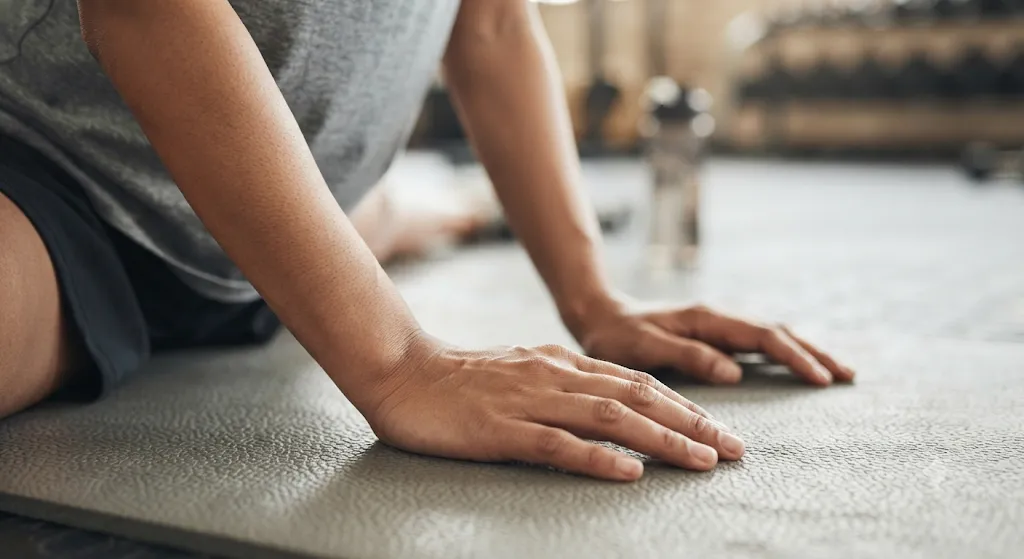
You finish a stretch of quiet desk work or a long meeting and notice your hands feel cooler than the rest of you. A few minutes of walking or even opening and closing your fists later, they warm up again. This pattern is common, and it is not a sign that something is wrong with your circulation in most cases. It reflects a simple mismatch: your hands were shaped by a life that involved frequent small movements, not hours of near-stillness.
What This Feels Like
The sensation is usually mild. Fingers and palms feel cooler to the touch, sometimes a little stiff or less nimble. Color may look slightly paler. The change often appears after 30–60 minutes of minimal hand use—typing with little variation, holding a phone, or sitting with arms at rest. Warmth returns within minutes once you start moving again. Most people notice it more in air-conditioned rooms or cooler weather, but the core trigger is the lack of movement.
Why Your Hands Still Expect Movement
Blood flow to the hands is highly adjustable. The small vessels in your fingers and palms can open or narrow quickly. When you are still, especially if your arms are resting, the body prioritizes blood flow to the core. Researchers such as Loring Rowell have described how exercise and even light muscle activity redistribute blood; local muscle work helps keep peripheral vessels more open. Without that local signal, the hands can cool.
Ancestral life involved nearly constant low-level hand activity: carrying, gripping tools, gathering, climbing, and gesturing. Those actions created a steady local demand for blood. Modern days often replace that with long stretches of fixed posture. The vessels themselves have not changed; the pattern of use has. Related patterns appear in other articles on the site, such as why your circulation still expects occasional temperature contrast and hands feeling cold in an air-conditioned room.
Common Everyday Triggers
- Long periods of keyboard or mouse work with little hand repositioning
- Sitting with hands resting in your lap or on a table for an hour or more
- Cool indoor air combined with minimal arm movement
- Holding a single position, such as a phone or steering wheel, without breaks
These situations reduce the local muscle pump effect in the forearms and hands. Even small contractions help push blood through the vessels and generate a bit of local heat.
When the Feeling Is Usually Harmless
For most healthy adults, cooler hands after stillness are a normal response. Warmth returns quickly with movement, and there are no other symptoms. It is more noticeable if you already tend to have cooler extremities or if the room is cool. People who spend most of the day seated often describe the same pattern. It is similar to the temporary coolness some notice in their feet after sitting, though the hands respond even faster to local activity.
Less Common Causes Worth Noting
Occasionally, persistently cold hands have other contributors. These can include low iron, certain medications, or conditions that affect vessel reactivity such as Raynaud’s phenomenon. In Raynaud’s, fingers turn white or blue with cold or stress and then flush as they rewarm—distinct from simple coolness after sitting still. Thyroid function and overall fitness also influence baseline circulation. If cooler hands are new, severe, or accompanied by color changes, pain, or numbness that does not resolve with movement, it is reasonable to mention it to a clinician. Most everyday cases, however, resolve with ordinary activity.
Simple Ways to Keep Hands Warmer
The most direct fix matches the original expectation: brief movement. Stand and walk for a minute or two. Open and close your fists, rotate your wrists, or gently stretch your fingers. These actions increase local blood flow within seconds to minutes. Keep a light jacket or sweater nearby if the room is cool, and avoid resting your arms on cold surfaces for long periods. Short movement breaks every 30–45 minutes are often enough to prevent the cool-down. People who already do this for their neck or lower back usually find the same breaks help their hands as well.
Myths Versus Facts
Myth: Cold hands always mean poor circulation.
Fact: Temporary cooling after stillness is a normal regulatory response. True circulatory problems usually produce additional symptoms such as pain, wounds that heal slowly, or color changes that last.
Myth: You need vigorous exercise to warm your hands.
Fact: Light local movement is sufficient. The vessels respond to the muscle activity itself, not only to a full workout.
Myth: Once hands are cold, they stay cold for hours.
Fact: In typical cases, warmth returns within a few minutes of renewed movement.
When to See a Doctor
See a clinician if your hands stay cold even after movement, if fingers change color dramatically (white, blue, then red), if you have pain, numbness, or sores, or if the pattern is new and accompanied by other symptoms such as fatigue or weight changes. These situations are less common than simple stillness-related cooling, but they benefit from a proper check. For the everyday version tied to desk time or quiet sitting, movement and modest room adjustments are usually all that is needed.
Frequently Asked Questions
Why do my hands cool down faster than my arms?
The hands have a high surface-to-volume ratio and many small vessels that can constrict quickly. They also rely more on local muscle activity to maintain flow. Larger arm muscles generate more heat and maintain better baseline flow during quiet sitting.
Does typing count as enough movement?
Continuous typing provides some activity, but the range is limited. Many people still notice cooling after long sessions because the movements are small and repetitive. Brief full-hand openings, wrist circles, or standing breaks add the variety the vessels respond to more strongly.
Can stress make this worse?
Yes. Stress can increase vessel constriction through the sympathetic nervous system. If you are both still and stressed, hands may cool more noticeably. The same short movement breaks help in both situations.
Is this related to the cold hands some people get when anxious?
The mechanisms overlap. Anxiety can trigger the same vessel narrowing. The difference is the trigger—emotional versus simply the absence of movement. Articles on the site discuss both patterns, including hands going cold when anxious.
Will building more arm strength prevent it?
General fitness supports overall circulation, but the immediate effect comes from using the muscles you already have. Regular light movement throughout the day is more relevant than occasional strength sessions.
Should I wear gloves indoors?
Gloves can help in a very cool room, but they do not replace movement. Most people find that brief activity plus a comfortable room temperature is enough. Gloves are more useful outdoors or in persistently cold environments.
Conclusion
Your hands cool during long still periods because they were built for a life of frequent small actions that kept blood moving through them. Modern stretches of quiet sitting remove that signal, so the vessels narrow and the hands feel cooler. The response is usually harmless and reverses quickly once you move again. Short, ordinary hand and arm movements every half hour or so restore the pattern your circulation still expects. If the coolness is extreme, persistent, or joined by color changes or pain, a clinician can help rule out less common causes. For the everyday version, the remedy is the same activity your hands have always been ready for.