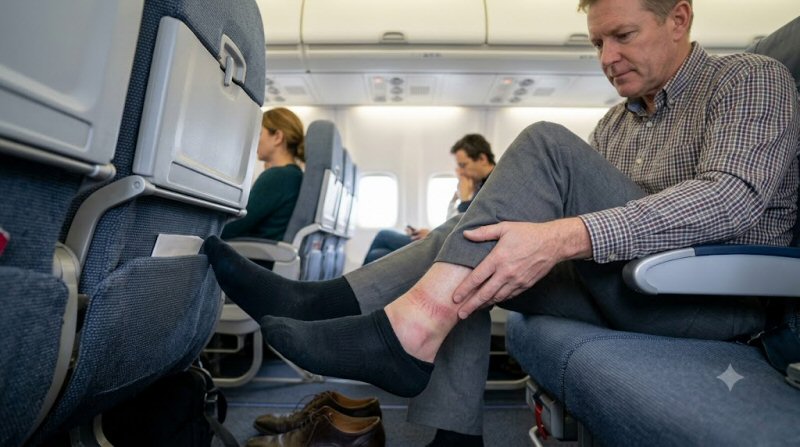
Cold toes indoors are common because your body prioritizes core warmth. Learn the benign reasons, when color changes matter, and simple ways to help circulation.
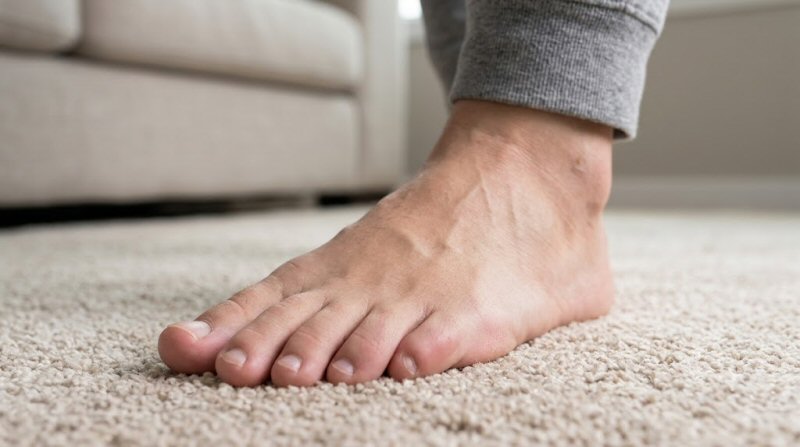
You are sitting on the sofa in a room that feels perfectly comfortable to your torso, yet your toes still feel cool against the floor. The sensation is familiar to many people—especially those who sit for long stretches or live in climate-controlled spaces. In most cases this is a normal response of the circulatory system, not a sign that something is wrong with your feet.
What Cold Toes Indoors Usually Feel Like
The toes feel cooler than the rest of the body, sometimes slightly numb at the tips, but skin color stays normal (pink or your usual tone). The coldness often improves once you stand and walk or once the room warms a little. It is more noticeable when you are still, barefoot or in thin socks, and less obvious when you are moving.
Why Your Body Does This
Your circulatory system is designed to protect core temperature. When you are relatively still, sympathetic nerves can constrict the small arteries in the hands and feet (arteriovenous anastomoses) so that less warm blood reaches the skin surface. This keeps heat inside the torso and vital organs. Researchers studying peripheral circulation, including work on cold-induced vasoconstriction and the Lewis hunting reaction, have shown that the extremities routinely run cooler than the core under ordinary indoor conditions.
Modern indoor life amplifies the effect. Central heating and air conditioning keep room air steady, so the body rarely experiences the mild temperature swings that would otherwise prompt occasional blood-flow surges to the skin. Prolonged sitting further reduces the muscle-pump action in the calves that helps push blood back toward the heart and then out to the feet again. The result is toes that feel cold even when the thermostat reads 70 °F (21 °C).
Common Everyday Triggers
- Sitting still for an hour or more
- Thin socks or bare feet on a cool floor
- A slightly lower room temperature that your torso tolerates but your toes notice
- Mild dehydration or skipping a meal (lower circulating volume)
- Recent caffeine or nicotine, both of which can tighten peripheral vessels
When Cold Toes Deserve a Closer Look
Occasional cool toes are ordinary. See a clinician if you notice any of the following:
- Toes that turn white, then blue, then red (classic Raynaud pattern) with pain
- Persistent coldness in only one foot or a few toes
- Open sores, skin breakdown, or color that does not return with warming
- Cold toes accompanied by calf pain when you walk (possible circulation issue higher up)
- New coldness after starting a medication known to affect vessels
Most people never need further testing for simple indoor cold toes, but the pattern above warrants a conversation with a doctor.
Myths vs Facts
Myth: Cold toes mean you have poor circulation overall.
Fact: In healthy people the vessels are simply doing their job of prioritizing the core; total blood flow is usually fine.
Myth: You should always wear thick socks indoors.
Fact: Moving the feet and calves often does more than extra insulation once the room is already comfortable.
Simple Ways to Warm Your Toes
Stand up and walk for two or three minutes every half hour. The calf-muscle pump quickly returns warmer blood to the feet. Gentle ankle circles or toe scrunches while seated also help. Keep a pair of light socks nearby rather than relying on the floor temperature. Staying hydrated and avoiding long stretches of complete stillness are usually enough. If you already know you have Raynaud’s, the same movement habits plus consistent core warmth remain the first-line approach recommended by vascular specialists.
Related Everyday Sensations
Similar temperature-driven changes appear in the fingers. You can read more about why fingers sometimes turn white in the cold and about the broader pattern of how modern climate control affects circulation. The same principle of reduced muscle-pump action shows up in ankle swelling after sitting.
Frequently Asked Questions
Is it normal for only my toes to be cold while my hands are warm?
Yes. The feet are farther from the heart and have less muscle mass to generate local heat, so they cool first.
Should I be worried if my toes are cold every evening?
If color stays normal and the coldness eases with walking, it is usually just the normal vasoconstriction of quiet sitting. Mention it at a routine visit if it is new or worsening.
Does low iron or thyroid trouble cause cold toes?
Both can contribute to feeling cold overall, but isolated cool toes without other symptoms (fatigue, hair changes, weight shift) are far more often explained by posture and room temperature.
Will wearing compression socks help?
Light compression can support venous return for some people, but movement is still the most reliable way to warm the toes.
Is this the same as Raynaud’s?
Raynaud’s involves clear color changes (white–blue–red) and is often triggered by cooler temperatures or stress. Simple cool-feeling toes without color change are not Raynaud’s.
Bottom Line
Cold toes in a comfortable indoor room are a normal consequence of how the body conserves heat and of how little we move our legs while sitting. A short walk or a few ankle circles usually restores warmth. Keep an eye on color changes or one-sided symptoms, and otherwise treat the sensation as ordinary physiology rather than a warning sign.