Hands that feel warm or flushed after a long typing session are usually a normal response to muscle work and increased blood flow. Learn the usual reasons and when the warmth is worth a second look.
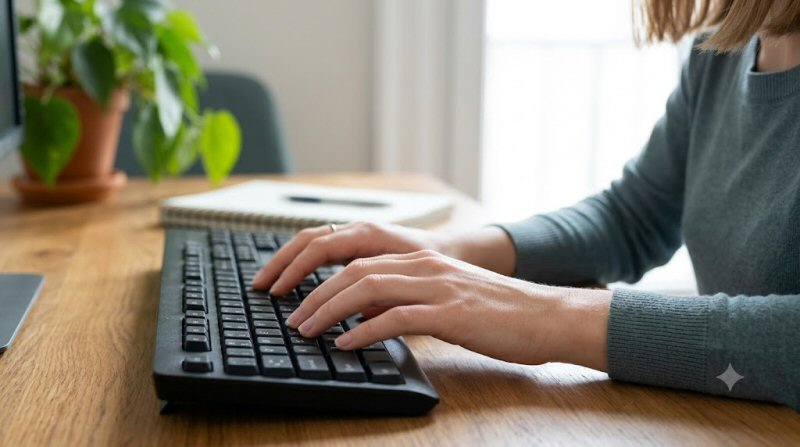
You finish a long stretch of emails or a report and notice your hands feel distinctly warmer than the rest of you—sometimes flushed, sometimes just radiantly hot across the palms and backs of the fingers. The sensation usually fades within minutes once you stop, and it does not come with sharp pain or lasting numbness. For most people this is an ordinary response of working hand muscles and the blood vessels that serve them.
What This Symptom Feels Like
The warmth is usually bilateral and even, centered in the palms, the web spaces between the fingers, or across the backs of the hands. Skin may look slightly pinker or feel smoother and more pliable. Some people describe a mild “full” or throbbing quality that matches the pulse. The feeling peaks right after a sustained typing session and settles once the hands are at rest. It is different from the burning, red, painful flares of rarer conditions, and it is not the same as the cold, clammy hands that can appear with anxiety or with certain overuse patterns.
Common Everyday Reasons
Typing is low-level but continuous work for the small muscles of the hands and the longer forearm muscles that move the fingers and wrist. Muscle activity raises local metabolic demand; blood vessels dilate to deliver more oxygen and clear waste products. This is ordinary active hyperemia. Researchers studying office workers have measured measurable rises in dorsal hand skin temperature after short typing tasks, and those temperature changes track with changes in muscle blood volume. Judith Gold, Martin Cherniack, and colleagues documented these shifts in healthy subjects and noted that faster typists sometimes recover temperature more quickly, suggesting a metabolic component.
Room temperature and posture matter too. A warm office, a laptop on your lap, or wrists held in a fixed angle for an hour can amplify the sense of heat. If your hands have been slightly cool from sitting still, the sudden increase in flow when you start typing can feel especially pronounced. Related sensations—stiffness after typing or mild puffiness—are also common and usually share the same background of sustained low-level loading. You can read more about those patterns in our pieces on fingers that feel stiff after typing all day and fingers that swell after typing.
Why the Hands Are Built This Way
The hands contain a dense network of arteriovenous anastomoses—direct shortcuts between small arteries and veins. These vessels let the body dump heat quickly when core temperature rises, which is why palms can swing from cool to hot within minutes. In ancestral life the hands were used for varied gripping, carrying, and tool work with frequent rests and temperature changes. Modern keyboard work keeps the same muscles active in a narrow range of motion for long stretches without the intermittent full rests or cool-downs that would have been normal. The circulation still responds as if the hands are doing meaningful work; the warmth is the visible part of that response.
Less Common but Serious Causes
Persistent or intense heat that does not settle after rest, or that is accompanied by burning pain, bright red skin, or swelling, deserves attention. Erythromelalgia is a rare condition in which excess blood flow produces episodes of hot, red, painful extremities; it is not the mild, activity-linked warmth most typists notice. Infection (cellulitis), significant inflammation, or certain systemic conditions can also make hands feel hot, but these almost always bring other clear signs such as fever, spreading redness, or joint pain. If one hand is markedly hotter than the other without a clear activity difference, or if the warmth is constant rather than tied to typing, a clinician can sort out the less common explanations.
Hidden Triggers That Make It More Noticeable
- Sustained high typing speed or force on the keys
- Warm ambient temperature or direct sun on the desk
- Caffeine or mild dehydration, both of which can alter peripheral blood flow
- Recent upper-body exercise that has already raised core temperature
- Holding the wrists in extension or flexion for long periods, which can change local perfusion
- Stress that produces a mixed autonomic response—some people flush, others cool
When to Worry
Most post-typing warmth is harmless and self-limited. Seek medical advice if you notice:
- Burning pain, intense redness, or skin that feels hot even at rest
- Swelling, warmth, and redness that spreads or is accompanied by fever
- One-sided changes without an obvious activity difference
- Numbness, tingling, or weakness that persists after the session ends
- The warmth waking you at night or interfering with ordinary tasks
These patterns are uncommon but worth evaluating rather than assuming they are “just from typing.”
Myths vs Facts
Myth: Hot hands after typing mean you have poor circulation.
Fact: The opposite is usually true in the short term—increased local blood flow is what produces the warmth. Reduced flow is more often linked to cold hands.
Myth: Only people with carpal tunnel notice temperature changes.
Fact: Healthy typists show measurable skin-temperature rises after brief typing tasks. Temperature patterns can differ in people with upper-extremity symptoms, but ordinary warmth alone is not diagnostic.
Myth: You should ice your hands every time they feel warm.
Fact: Brief cool water or a short break is fine if it feels good, but routine icing is unnecessary for simple activity-related warmth and can sometimes irritate sensitive skin.
How to Manage It
Short, regular breaks let blood flow normalize. Stand, open and close the hands, and let the wrists hang loosely for a minute every half hour. Keep the room comfortable rather than overheated, and avoid resting wrists on a hot laptop surface. Gentle movement of the fingers through a fuller range—spreading them, making a loose fist, then relaxing—gives the small muscles a change of load; our article on why the interossei still expect occasional finger spreading explains why that variety helps. Staying hydrated and keeping shoulders relaxed reduces the extra tension that can amplify local sensations. Most people find the warmth settles within a few minutes of stopping; if it does, no further treatment is required.
When to See a Doctor
See a clinician if the heat is severe, one-sided, constant, or paired with pain, swelling, color change, or neurological symptoms that do not resolve with rest. A straightforward history and exam are usually enough to distinguish ordinary activity-related warmth from rarer vascular, inflammatory, or nerve-related conditions. Early evaluation is especially useful if you already have known upper-extremity symptoms or if the pattern is changing.
Frequently Asked Questions
Why do my hands feel hotter on one side sometimes?
Slight differences in posture, mouse use, or how hard each hand works can produce uneven flow. Persistent one-sided heat without an activity explanation is less common and worth checking.
Can typing too fast make it worse?
Higher speed and force increase metabolic demand, so the temperature rise can be larger and recovery a bit slower. Taking micro-breaks still helps regardless of speed.
Is this a sign of carpal tunnel or RSI?
Warmth alone is not. Those conditions more often involve numbness, tingling, pain, or weakness. Temperature changes can occur in people with upper-extremity symptoms, but ordinary post-typing heat is seen in asymptomatic typists as well.
Does drinking water or changing room temperature help?
Yes. Mild dehydration and a warm room both make peripheral warmth more noticeable. Cooler ambient air and ordinary hydration usually reduce the sensation.
Should I stop typing if my hands feel hot?
No. A short break is useful, but the warmth itself is not a reason to stop working. Return to typing once the hands feel normal again.
Conclusion
Hands that feel hot after typing are, for most people, a straightforward sign that the small muscles and their blood supply have been working. The same vessels that dump heat in everyday life respond to keyboard work with a temporary increase in flow; the warmth is the part you notice. Brief rests, varied hand positions, and ordinary attention to room temperature and hydration keep the pattern mild and self-limited. When the heat is intense, one-sided, painful, or persistent, a simple medical check can rule out the uncommon causes and restore ordinary confidence in what is usually a normal response.