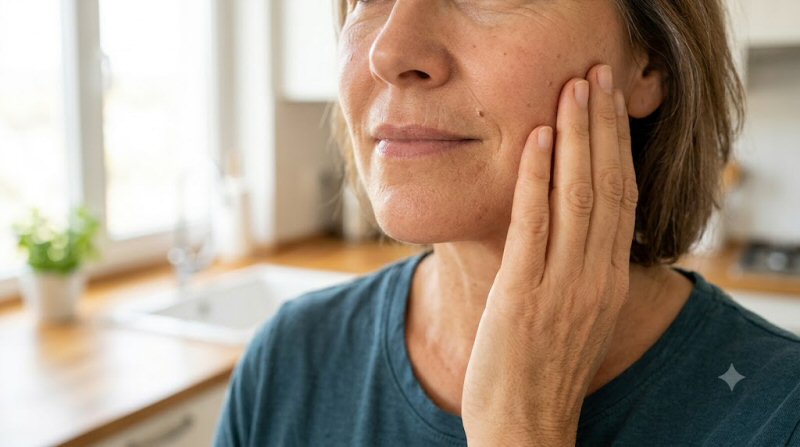
Fingers that feel puffy or tight after hours at the keyboard are common. Learn why prolonged hand positioning and reduced movement allow fluid to collect, and simple ways to reduce it.
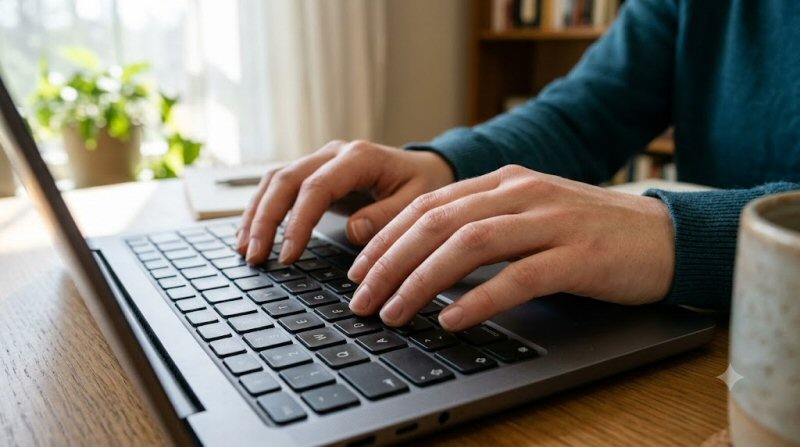
You finish a long stretch at the computer, stand up, and notice your rings feel snug or your fingers look a little fuller than they did this morning. The skin feels tight when you make a fist, and the joints seem slightly stiffer. It is a familiar end-of-day sensation for many people who type for hours. In most cases it is a mild, reversible form of fluid shift rather than a sign of something serious.
What This Symptom Feels Like
The swelling is usually subtle. Fingers may look slightly puffy, especially around the knuckles and proximal interphalangeal joints. Rings that slid on easily in the morning now require a gentle twist to remove. Making a tight fist can feel restricted, and the skin may appear smoother or shinier. The sensation is often more noticeable in warm rooms or after periods of little hand movement. It typically improves within an hour or two of standing, walking, or simply elevating the hands.
Common Causes
Prolonged static positioning is the main driver. When the hands rest on a keyboard or mouse for long periods with the wrists relatively still and the elbows bent, the small veins in the fingers empty less efficiently. Gravity and reduced muscle activity allow plasma fluid to linger in the soft tissues. Warm ambient temperature or the mild heat generated by the hands themselves can dilate local vessels and increase capillary filtration. Mild salt retention from the day’s meals or simply lower overall movement also contributes. These factors together produce the common occupational “keyboard puffiness” many desk workers recognize.
Why This Happens
Fluid movement between blood vessels and tissues follows Starling forces—the balance of hydrostatic pressure and oncotic pressure described in classic physiology. When venous return from the hands slows, hydrostatic pressure in the capillaries rises slightly and more fluid leaves the vessels. The finger muscles and small intrinsic muscles normally act as a modest pump when the hands are actively gripping, pinching, or gesturing. Hours of nearly motionless typing remove that intermittent compression. The same principle that makes the calf muscle pump important for the legs applies, on a smaller scale, to the hands. Reduced motion therefore favors mild dependent edema in the fingers.
Researchers studying occupational hand symptoms have noted that static postures and constrained postures increase reports of swelling and discomfort. The effect is usually greatest late in the workday and is reversible with movement or elevation, consistent with simple fluid redistribution rather than inflammation or vascular disease.
Less Common but Serious Causes
Persistent or asymmetric swelling that does not improve with elevation can occasionally signal carpal tunnel syndrome, in which median-nerve irritation produces both sensory changes and mild vascular congestion. Thyroid disorders, early rheumatoid arthritis, or systemic fluid retention from heart, kidney, or liver conditions can also cause hand puffiness, but these usually affect both hands more continuously and are accompanied by other symptoms. Sudden, painful swelling of a single digit after trauma is more consistent with injury or infection and is unrelated to ordinary typing.
Hidden Triggers
Warm office temperatures, high sodium intake earlier in the day, hormonal shifts (especially in the premenstrual phase), and dehydration that paradoxically promotes fluid retention can all amplify the effect. Tight watch bands or bracelets that slightly restrict venous outflow, or resting the wrists on a hard desk edge, add local compression. Holding the phone or mouse in a fixed grip for long stretches between typing sessions further reduces the natural pumping action of the hand muscles.
When to Worry
Seek medical attention if the swelling is sudden, markedly asymmetric, accompanied by redness, warmth, or pain, or if it persists overnight and is still obvious the next morning. Numbness, tingling, or weakness that spreads beyond the fingers, or swelling that extends into the forearms, also warrants evaluation. Ordinary keyboard-related puffiness should resolve within a few hours of leaving the desk and moving normally.
Myths vs Facts
Myth: Finger swelling after typing means you have arthritis or carpal tunnel.
Fact: Mild, symmetric, end-of-day puffiness that improves with movement is usually simple dependent fluid shift. Arthritis and carpal tunnel produce additional signs such as prolonged stiffness, night pain, or sensory loss.
Myth: Drinking more water will immediately reduce the swelling.
Fact: Adequate hydration supports overall fluid balance, but the immediate fix is movement and elevation that help the veins empty. Excess fluid intake alone does not reverse the local hydrostatic effect of a static posture.
Myth: Only people with poor circulation experience this.
Fact: Even healthy veins can allow mild fluid accumulation when the hands remain still and dependent for hours. The same pattern appears in people who walk long distances and notice hand swelling while walking.
How to Manage It
Stand and walk for a minute or two every 30–45 minutes. During those breaks, open and close the hands into fists, spread the fingers wide, and gently shake the wrists. Elevate the hands above heart level for a few minutes when possible—resting them on the back of a chair or against a wall works. Keep the room from becoming overly warm, and avoid resting the full weight of the forearms on a hard edge for long periods. A brief cool-water rinse or gentle massage from fingertips toward the wrists can speed fluid movement. Over the longer term, varying grip tasks and including light hand and forearm exercises outside work hours help maintain the natural pumping action the tissues expect.
When to See a Doctor
Make an appointment if the swelling becomes a daily, persistent problem that interferes with ring wear or hand function, if it is accompanied by morning stiffness lasting more than an hour, or if you develop new numbness, color changes, or pain. A clinician can distinguish simple positional edema from nerve compression, inflammatory arthritis, or other causes and recommend appropriate next steps.
FAQs
Why do my rings feel tighter only in the afternoon?
Fluid gradually accumulates in the soft tissues of the fingers while the hands remain relatively still. By late day the volume is enough to change ring fit; overnight elevation and normal movement usually restore the morning baseline.
Does typing with a wrist rest make the swelling worse?
A soft wrist rest can reduce pressure on the carpal tunnel area, but if it encourages the hands to stay completely still it may slightly reduce the natural pumping that occurs with small position changes. Alternating between using and not using the rest, plus frequent brief fist exercises, is usually better than continuous static support.
Can this happen even if I drink plenty of water?
Yes. Local hydrostatic pressure and reduced venous emptying dominate the short-term picture. Good hydration is still worthwhile for overall health, but it does not override the effect of hours of immobility.
Is the swelling related to the morning puffiness some people notice?
They share a fluid-shift mechanism, but the timing differs. Morning finger fullness is often linked to overnight redistribution and is discussed in articles on puffy fingers in the morning. Typing-related swelling builds during the day and recedes with evening activity.
Will compression gloves help?
Light compression can limit fluid accumulation for some people during long sessions, but overly tight gloves may restrict circulation. If you try them, choose a mild grade and remove them periodically to check skin color and sensation.
Conclusion
Mild finger swelling after a long day of typing is a common, usually harmless consequence of static hand posture and reduced venous pumping. Simple movement breaks, brief elevation, and attention to temperature and grip variety resolve it for most people. When the puffiness stays symmetric, painless, and reversible, it is a reminder that the hands, like the rest of the body, still expect occasional motion rather than continuous stillness.