Fingers that feel stiff or tight after long phone scrolling are common. Sustained grip, small repeated movements, and reduced circulation explain the sensation—and simple changes usually ease it.
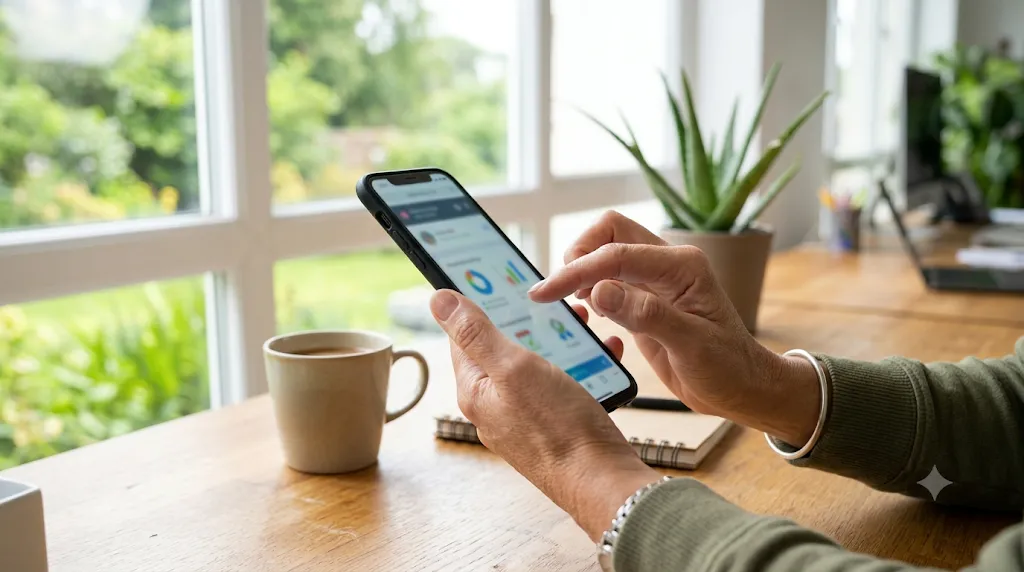
You put the phone down after a long scroll through messages, news, or videos and notice your fingers feel stiff, tight, or slower to straighten. The joints may seem reluctant for a few minutes, or the tips feel slightly swollen and less nimble. Many people experience this after extended phone use and wonder if the device is damaging their hands. In most cases it is a normal response to how the fingers are held and moved during scrolling.
What This Symptom Feels Like
The stiffness is usually mild and temporary. Fingers may feel tight when you try to make a full fist or spread them wide. Some people notice a faint ache along the tendons on the back of the hand or a sense that the joints need a few warm-up movements before they feel normal again. The sensation often peaks right after putting the phone down and eases within minutes once the hands are free to move in larger ranges. It is rarely sharp or accompanied by numbness at first.
Common Causes
The main drivers are sustained static grip and repeated small motions. Holding a phone requires the fingers to stay partially flexed for long periods while the thumb or index finger performs tiny swipes and taps. This keeps the same muscles and tendons under low-level load without the natural rest or stretch that larger tasks provide. Cool room temperatures or air conditioning can slow local blood flow, making the stiffness more noticeable. Dehydration or a long stretch without moving the hands also contributes.
Why This Happens
Finger joints and the small muscles in the hand rely on regular changes in position to keep synovial fluid moving and tendons gliding freely. When the hand stays in a narrow grip for an hour or more, fluid circulation inside the joints slows and the soft tissues can feel temporarily less elastic. The thumb’s repeated opposition and the other fingers’ stabilizing grip add cumulative strain on the flexor and extensor tendons. Research on mobile device use, including work by researchers studying repetitive strain such as those examining texting-related symptoms, has linked prolonged one-handed phone holding to temporary discomfort in the fingers and thumb. The effect is mechanical and reversible in healthy hands.
Less Common but Serious Causes
Persistent stiffness that does not ease with movement, or stiffness that appears in the morning and lasts more than an hour, can sometimes point to early joint inflammation or tendon issues. Conditions such as trigger finger, early osteoarthritis, or inflammatory arthritis are possible but uncommon in people whose symptoms only follow phone use and resolve quickly. Nerve compression, such as carpal tunnel syndrome, more often produces numbness or tingling than pure stiffness. A sudden inability to straighten a finger after a specific incident is different and warrants prompt attention.
Hidden Triggers
Several everyday factors amplify the feeling. Scrolling with the phone held low so the wrist is bent increases tendon tension. Cold hands from air conditioning or outdoor weather reduce tissue flexibility. High screen brightness that keeps you scrolling longer without breaks, or multitasking that adds extra grip force, raises the load. People who already have tight forearm muscles from desk work may notice finger stiffness sooner. Skipping water or sitting still for long periods can make the same hand position feel more restrictive.
When to Worry
Most phone-related finger stiffness is harmless and short-lived. Seek medical advice if the stiffness lasts more than a day, spreads to other joints, is accompanied by significant swelling, redness, or warmth, or is paired with numbness, weakness, or dropping objects. Morning stiffness that lasts beyond 30–60 minutes, or stiffness that wakes you at night, is also worth discussing. A finger that locks or catches when you try to straighten it needs evaluation.
Myths vs Facts
Myth: Phone scrolling permanently damages finger joints.
Fact: Temporary stiffness from prolonged grip is common and reversible; lasting joint damage requires other risk factors and much higher cumulative load.
Myth: Only older adults notice this.
Fact: Younger people who spend long periods on phones report the same tight sensation; age is not required.
Myth: You must stop using your phone entirely.
Fact: Short breaks, grip changes, and hand movement are usually enough to prevent the stiffness.
How to Manage It
Break scrolling into shorter sessions and set the phone down every 20–30 minutes to open and close the hands fully. Alternate which hand holds the phone. Rest the device on a table or use a stand when possible so the fingers are not constantly gripping. Gently stretch the fingers backward and make wide circles with the wrists between sessions. Warm the hands briefly under warm water if they feel cool. Stay hydrated and keep the room from being overly chilly. These steps restore the natural variety of motion the hands expect.
When to See a Doctor
See a clinician if stiffness persists after you have reduced phone time for a week, if a finger locks or clicks painfully, if you develop numbness or weakness, or if other joints become stiff without phone use. A primary care doctor or hand specialist can check for tendon or joint issues and rule out less common causes. Most people never need this step for ordinary scrolling stiffness.
FAQs
Why do my fingers feel stiff only after I use my phone and not after other tasks?
Phone scrolling keeps the fingers in a narrow, static grip with tiny repeated motions and few full stretches. Larger tasks usually include more variety of hand positions.
Can this turn into arthritis?
Temporary stiffness from use does not cause arthritis. Arthritis has different patterns, including morning stiffness and swelling that are not limited to phone time.
Does using a stylus or voice commands help?
Yes. Reducing the amount of thumb and finger swiping lowers the sustained grip time and often prevents the stiffness.
Is it worse in cold rooms?
Cool temperatures reduce tissue flexibility and local circulation, so the same phone posture feels tighter. Warming the hands helps.
How long should the stiffness last?
In most people it eases within 5–15 minutes of putting the phone down and moving the hands freely. Longer duration is less typical.
Conclusion
Fingers that feel stiff after long phone scrolling are a common, usually harmless response to sustained grip and limited movement. The small joints and tendons simply notice the lack of the varied motion they handle well during ordinary tasks. Short breaks, grip changes, and a few full hand stretches are typically enough to keep the sensation from appearing. If the stiffness becomes persistent, spreads, or arrives with numbness or locking, a medical check provides clarity. For most people the fix is as straightforward as putting the phone down and opening the hands.
Related reading on the site includes how thumb ache after scrolling develops from similar repetitive use, why fingers can feel stiff after typing all day, and what happens when fingers go numb while holding a phone.