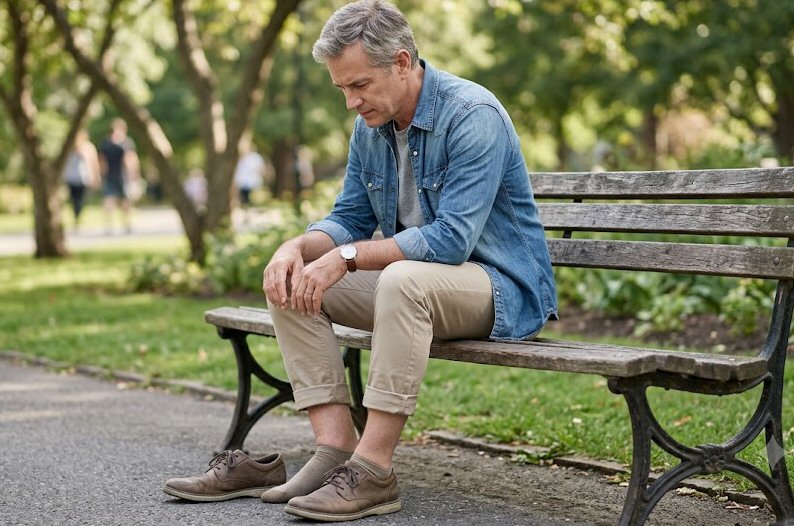
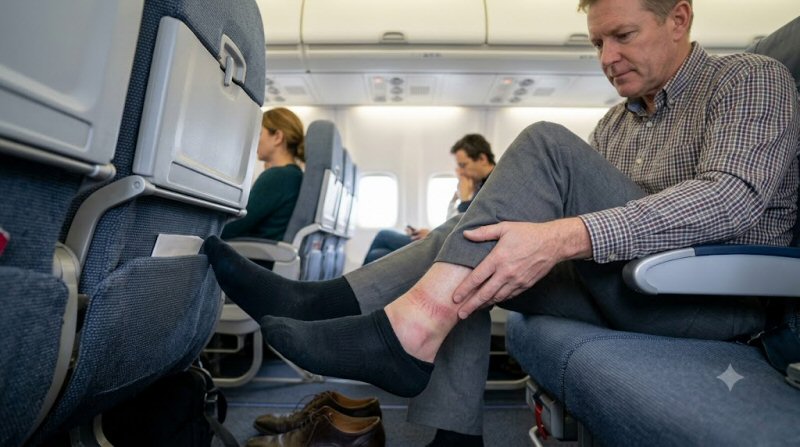
Cold feet indoors are common and usually benign. Learn why blood flow favors the core, what sitting and temperature do, and when persistent cold feet deserve a closer look.
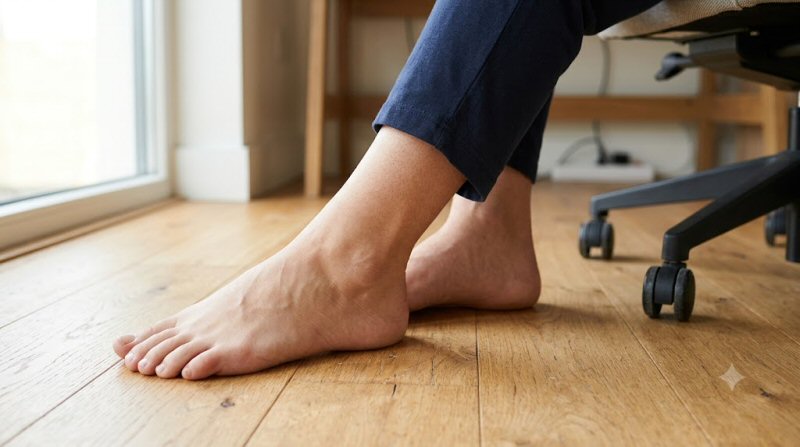
You walk into a comfortably heated room, sit down, and within minutes your feet feel noticeably cooler than the rest of you. Socks help only a little. Friends say their feet stay warm; yours stay chilly even when the thermostat reads the same number. This everyday mismatch is one of the most common temperature complaints people mention to clinicians, and for most people it is a normal feature of how human circulation is organized rather than a sign of disease.
What This Sensation Feels Like
The feeling is usually a steady coolness or mild chill concentrated in the toes and soles. Skin temperature on the feet can sit several degrees lower than skin on the thighs or trunk even in a warm room. Some people notice the cold more when they are still; a short walk often improves it. Color is typically normal pink or slightly pale. There is rarely pain, numbness, or color change severe enough to look white or blue. The sensation can be more obvious in the evening or after long periods of sitting.
Common Causes
The most frequent reasons are ordinary and reversible:
- Low local blood flow while sitting still — the feet are far from the heart and receive less continuous pumping when calf muscles are quiet.
- Preferential core protection — the body prioritizes keeping the brain and organs warm, so small vessels in the extremities constrict easily.
- Thin subcutaneous fat and high surface-to-volume ratio in the feet, so they lose heat faster than larger body parts.
- Room air that feels warm to the torso but is still cool enough to chill bare or thinly covered feet.
- Individual variation in sympathetic tone — some people simply run cooler in the hands and feet at rest.
These factors explain why two people in the same room can have very different foot temperatures without either having a medical problem.
Why This Happens
Human circulation is not designed to keep every square centimeter of skin at the same temperature. The feet and hands contain dense networks of arteriovenous anastomoses that can open or close under sympathetic control. When the body senses even mild coolness or when muscle activity drops, these vessels narrow, reducing blood flow and heat delivery to the extremities. Classic work by Thomas Lewis in the 1930s described the “hunting reaction,” in which skin vessels periodically dilate and constrict in response to cold; the same basic control system operates, more subtly, at ordinary indoor temperatures.
Modern studies of skin blood flow confirm that foot temperature is highly sensitive to both ambient conditions and posture. Sitting reduces the venous return and local muscle pump that normally help push warm blood through the lower legs. Once flow falls, the high surface area of the toes and soles allows heat to leave quickly. This pattern is an efficient way to conserve core heat, which was useful for most of human history when outdoor temperatures fluctuated and people stayed mobile. In a climate-controlled building it can feel inconvenient, but the underlying physiology is the same.
Related reading on how temperature contrast shapes vascular behavior appears in Why Your Circulation Still Expects Temperature Contrast. The calf’s role in keeping lower-leg flow moving is covered in Why Your Veins Still Expect the Calf Pump.
Less Common but Serious Causes
Occasionally cold feet reflect something that needs evaluation:
- Peripheral artery disease — reduced arterial inflow, more common with smoking, diabetes, or older age; usually accompanied by calf pain on walking or one-sided coolness.
- Raynaud phenomenon — episodic, dramatic color changes (white, then blue, then red) often triggered by cold or stress; see also Is It Normal for Your Fingers to Turn White in the Cold?.
- Hypothyroidism — slowed metabolism can lower overall heat production and leave extremities cool.
- Autonomic dysfunction or certain medications that alter vascular tone.
These are far less common than ordinary cool feet in otherwise healthy people.
Hidden Triggers
- Long stretches of sitting without getting up.
- Bare feet or very thin socks on cool floors.
- Air conditioning or fans directed at the lower body.
- Dehydration or caffeine, which can increase sympathetic constriction.
- Low iron or mild anemia in some individuals, reducing oxygen delivery and subjective warmth.
- Anxiety or sustained mental focus, both of which raise sympathetic activity and can cool the extremities.
When to Worry
Seek medical advice if cold feet are accompanied by any of the following:
- One foot consistently much colder than the other.
- Color changes that turn the skin white, blue, or deeply purple, especially if they are painful.
- Pain in the calves when walking that resolves with rest.
- Non-healing sores, severe dryness, or loss of hair on the lower legs.
- New numbness, weakness, or swelling.
- Cold feet that appeared after starting a new medication.
Isolated cool feet without these features are almost always benign.
Myths vs Facts
Myth: Cold feet always mean poor circulation that requires treatment.
Fact: Mild coolness is a normal regulatory response; true circulatory disease produces additional signs such as pain, color change, or delayed capillary refill.
Myth: You must keep the room warmer to fix cold feet.
Fact: Movement and better local insulation (socks, slippers, a small footrest) usually help more than raising the thermostat for the whole room.
Myth: Cold feet mean you are iron-deficient or have a thyroid problem.
Fact: These conditions can contribute in some people, but they are not the default explanation for everyday cool feet.
How to Manage It
- Stand and walk for a minute or two every half hour; the calf pump restores flow quickly.
- Wear socks or slippers with some insulation even indoors if your feet run cold.
- Avoid sitting with legs crossed or with the backs of the knees pressed hard against a chair edge.
- Do simple ankle circles or toe scrunches while seated to keep local vessels moving.
- Stay hydrated and limit excess caffeine if you notice it worsens the chill.
- A brief warm (not hot) foot bath can reset comfort, but the longer-term fix is still regular movement.
Most people find that combining light activity with modest local covering makes the feet feel normal within minutes.
When to See a Doctor
Make an appointment if cold feet are new, one-sided, painful, or accompanied by the red-flag signs listed earlier. A clinician can check pulses, capillary refill, and, if indicated, order simple blood tests or vascular studies. For the large majority of people who simply notice cool feet indoors, no testing is required.
FAQs
Why are my feet colder than my hands?
The feet are farther from the heart, have less continuous muscle activity in modern sitting life, and lose heat more readily. Hands also receive more frequent movement and are often closer to the core’s warmth.
Can anxiety make my feet cold?
Yes. Sympathetic activation narrows skin vessels in the extremities. Many people notice colder hands and feet during stress even when the room temperature has not changed.
Do cold feet mean I have low blood pressure?
Not necessarily. Blood pressure measured at the arm can be normal while local skin flow in the feet is reduced by posture or vessel tone. Only if other symptoms of low pressure are present is further evaluation useful.
Will wearing thicker socks all day solve it?
Socks reduce heat loss and help a great deal, but they do not replace the benefit of occasional walking. The combination works best.
Is it normal for one foot to be slightly colder than the other?
Small differences are common and usually reflect posture or how you were sitting. A large, persistent difference on one side is worth checking.
Conclusion
Cold feet indoors are a normal consequence of how human circulation prioritizes the core and how little the lower-leg muscles work during prolonged sitting. The same vessels that once helped conserve heat outdoors now respond to ordinary indoor stillness. Simple movement, modest insulation, and awareness of posture resolve the sensation for most people. Persistent one-sided cold, color changes, or pain are the signals that deserve a closer medical look; everyday cool feet by themselves are not.