Mild itching after a hot shower is common and usually tied to heat, lost skin oils, and barrier changes. Learn the everyday reasons, simple fixes, and when it is worth checking further.
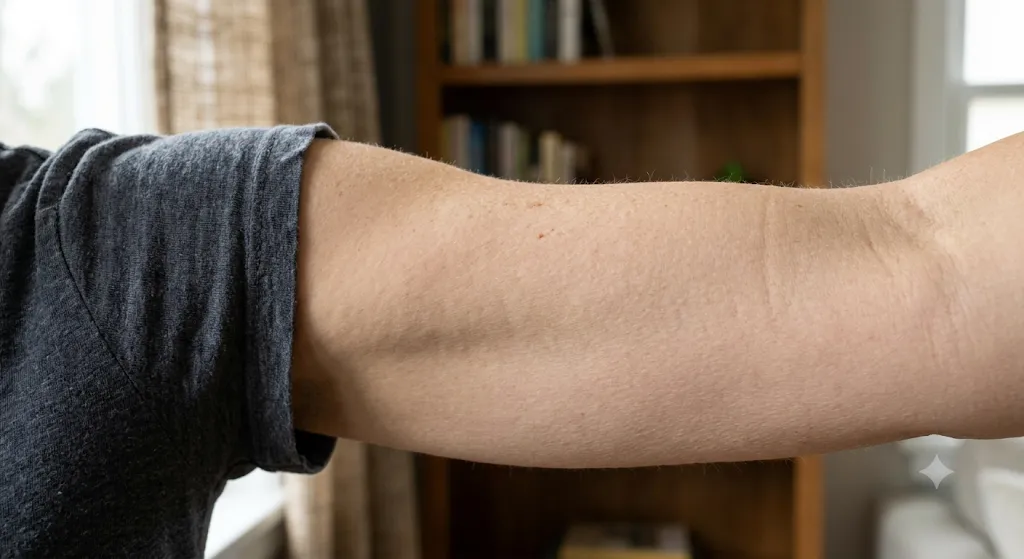
You step out of a long, steaming shower feeling clean and relaxed—until a few minutes later a scattered, prickling itch starts across your arms, legs, or back. No rash appears, just an urge to scratch that fades after a short while. For many people this is a familiar, harmless side effect of hot water. The same heat that feels soothing can strip natural oils, shift blood flow in the skin, and briefly heighten nerve signals that register as itch.
Most of the time the sensation stays mild and improves with cooler, shorter showers and better moisturizing. In rarer cases intense, water-triggered itch without a visible rash points to something called aquagenic pruritus, which can occasionally link to an underlying blood condition. Understanding the ordinary mechanisms helps you separate everyday dryness from the uncommon patterns that deserve a closer look.
What This Itch Usually Feels Like
The itch tends to begin within minutes after the water stops, sometimes while you are still drying off. It feels prickly, crawling, or lightly burning rather than deeply painful. Arms, thighs, and the upper back are frequent spots because they have more surface area exposed to the water and later to cooler room air. The skin itself usually looks normal—no hives, no widespread redness, no bumps.
Intensity varies. Some people notice only a faint tickle that disappears once they apply lotion. Others feel a more insistent urge for ten to thirty minutes. The sensation is usually symmetrical and widespread rather than fixed to one small patch. If you already have dry skin or eczema, the same shower can make existing tight or flaky areas feel worse.
Common Everyday Causes
Hot water is the main driver. Temperatures above roughly body temperature dissolve and rinse away sebum, the thin oily film that keeps the outer skin layer flexible. Without that film, moisture evaporates faster once you leave the steamy bathroom. The resulting tightness is often interpreted by nerve endings as itch. Longer showers and stronger soaps amplify the effect because they give the water more time and chemical help to remove lipids.
Heat itself adds another layer. Warm water widens small blood vessels near the surface, increasing local blood flow and skin temperature. The rapid shift from hot water to cooler room air can stimulate temperature-sensitive nerve fibers that share pathways with itch signals. In some people mast cells in the skin release small amounts of histamine under heat, adding a mild chemical contribution even when no allergy is present. Residual soap or hard-water minerals left on the skin can further irritate the now-thinner barrier.
Season and indoor climate matter too. Winter air is already dry, and heated rooms lower humidity further, so the same shower routine that felt fine in summer can leave skin itchy in colder months. The skin barrier still expects outdoor humidity fluctuations, and constant indoor dryness leaves less margin for the extra water loss that follows a hot shower.
Why the Skin Reacts This Way
The outermost layer of skin, the stratum corneum, functions as a brick-and-mortar barrier. The “mortar” is a mixture of lipids that slow water loss and keep irritants out. Hot water and surfactants in soap disrupt those lipids, raising transepidermal water loss. As the surface dries, the mechanical tension on the outer layer and the exposure of nerve endings closer to the surface both favor itch over comfort.
Itch researchers such as Gil Yosipovitch have mapped how temperature, barrier damage, and chemical mediators interact in the skin. Heat-sensitive ion channels and C-fiber nerve endings that normally detect warmth can cross-talk with pruritic (itch-related) pathways. The result is that a thermal stimulus which would be pleasant or neutral in intact skin registers as itch once the barrier is temporarily weakened. The body is not malfunctioning; it is simply reporting the sudden change in surface conditions more strongly than usual.
For most people the response stays local and short-lived. Once the barrier is replenished with moisture and the skin temperature stabilizes, the extra nerve signals quiet down.
Less Common but Important Patterns
Aquagenic pruritus is a distinct condition in which contact with water of any temperature—hot, lukewarm, or cool—triggers intense prickling or burning without a primary rash. Symptoms often start within seconds to fifteen minutes of water contact and can last from several minutes up to an hour or two. The thighs and upper arms are classic locations. Unlike ordinary post-shower dryness, the itch can be severe enough to interrupt daily life and may occur even with brief water exposure such as rain or sweat.
In a substantial fraction of cases, especially when the itch is severe and persistent, aquagenic pruritus is linked to polycythemia vera or other myeloproliferative disorders. Blood-cell overproduction can create a background of low-grade inflammation and heightened nerve sensitivity that makes water a reliable trigger. The itch sometimes appears years before the blood count changes become obvious. Other associations include essential thrombocythemia, certain lymphomas, and, less often, iron deficiency or thyroid shifts. Most people with ordinary hot-shower itch do not have these conditions; the combination of intensity, lack of visible skin change, and occurrence with cool water as well as hot is what raises the question.
Cholinergic urticaria is another heat-related reaction, but it produces small, fleeting hives after any rise in core or skin temperature—exercise, emotional stress, or a hot shower. The bumps distinguish it from pure aquagenic pruritus.
Hidden Triggers That Make Ordinary Itch Worse
Even when the basic cause is hot water and lipid loss, several everyday factors can tip the balance:
- Harsh or heavily fragranced soaps and body washes that leave a residue.
- Vigorous towel-drying that further abrades the surface.
- Skipping moisturizer after the shower, especially in low-humidity rooms.
- Pre-existing eczema, atopic skin, or simply aging skin that already produces less sebum.
- Chlorinated or very hard tap water that alters surface pH.
- Tight or synthetic clothing put on while the skin is still damp, trapping residual moisture and friction.
The same mechanisms that make hands feel dry after frequent washing operate across larger body areas after a full shower. Frequent hand-washing is a smaller-scale version of the same lipid-stripping process.
When to Worry
Mild, short-lived itch that improves with cooler water and moisturizing is ordinary. Seek medical advice if any of the following appear:
- Intense, burning, or prickling itch that occurs after cool as well as hot water and has no visible rash.
- Itch lasting more than an hour or returning with almost every water exposure, including brief ones.
- New hives, widespread redness, swelling, or dizziness with the itch (possible urticaria or allergic pattern).
- Accompanying symptoms such as unusual fatigue, night sweats, unexplained weight loss, itching elsewhere without water, facial flushing, or headaches.
- Itch that begins suddenly in middle age or later and does not respond to simple barrier care.
A basic blood count can quickly check for polycythemia or other blood-cell changes when the history fits aquagenic pruritus. Most people never need this step.
Myths Versus Facts
Myth: Itching after a shower means you are allergic to water.
Fact: True water allergy (aquagenic urticaria) is extremely rare and produces hives. Ordinary post-shower itch is almost always dryness, heat effects, or residual product irritation.
Myth: Hotter water cleans better and is therefore healthier for the skin.
Fact: Hot water removes more protective oils than lukewarm water and leaves the barrier more permeable. Cleanliness comes from gentle surfactant and mechanical rinsing, not extreme temperature.
Myth: Scratching the itch is harmless once you are out of the shower.
Fact: Scratching further damages the barrier, releases more inflammatory signals, and can turn a brief itch into a longer cycle. Moisturizing interrupts the loop more effectively.
Myth: Only people with eczema get post-shower itch.
Fact: Anyone can experience it when water is hot and long enough. People with already-compromised barriers simply notice it sooner and more strongly.
How to Manage It
Small changes in routine usually reduce or eliminate the sensation:
- Lower the water temperature to comfortably warm rather than hot. Many people find relief below about 40 °C (104 °F).
- Keep showers to five to ten minutes. The longer the exposure, the more lipids are lost.
- Use a gentle, fragrance-free, pH-balanced cleanser or a soap substitute. Apply it mainly to areas that need it rather than the whole body every day.
- Pat the skin dry with a soft towel instead of rubbing. Leave a light film of water.
- Apply a plain moisturizer (ointment or thick cream preferred over thin lotion) within three minutes while the skin is still damp. This traps residual water and replaces some of the lost lipids.
- In dry seasons or heated rooms, consider a humidifier and choose soft, breathable fabrics.
- If mild itch persists, a non-sedating antihistamine taken before the shower can blunt histamine-related components for some people; check with a clinician if you have other health conditions.
These steps also help the broader tendency for skin to itch more at night, because a healthier barrier throughout the day reduces the evening surge in dryness and nerve sensitivity.
When to See a Doctor
Most post-shower itch never requires a visit. Make an appointment if the itch is severe, occurs with cool water, lasts a long time, or is joined by systemic symptoms such as fatigue, night sweats, or unexplained changes in energy or weight. A dermatologist can distinguish ordinary xerosis from aquagenic pruritus, cholinergic urticaria, or contact reactions. If blood-related causes are suspected, a simple complete blood count is often the first test. Early evaluation is straightforward and usually reassuring.
Frequently Asked Questions
Why does the itch start after I get out, not while I’m under the water?
While the water is running, the skin stays warm and hydrated. The itch often peaks as the skin cools and residual water evaporates, raising the mechanical tension on a temporarily oil-depleted surface and shifting blood flow. That transition moment is when the nerve signals become most noticeable.
Is it safe to keep taking hot showers if I just moisturize afterward?
Moisturizing helps, but it cannot fully replace the lipids that very hot water removes. Many people still notice less itch when they lower the temperature even if they continue the same moisturizer routine. Think of cooler water as the primary prevention and moisturizer as the repair step.
Can hard water or chlorine make the itching worse?
Yes. Mineral-rich hard water and residual chlorine can leave a film or alter surface pH, adding low-level irritation on top of the lipid loss. A simple shower filter or rinsing with a final splash of cooler water sometimes reduces the residual effect.
Does aquagenic pruritus always mean a blood disorder?
No. Many cases are idiopathic—no underlying disease is found. However, because a meaningful minority are linked to polycythemia vera or related conditions, persistent intense water-triggered itch without rash warrants a medical review and usually a blood count, especially in adults.
Will antihistamines stop the ordinary post-shower itch?
They can help when a histamine component is present, but they do little for pure dryness. Barrier repair with cooler water and prompt moisturizing is more reliable for the common pattern. If antihistamines are needed regularly, it is worth confirming the diagnosis.
Is the itch more common in winter?
Yes. Outdoor cold and indoor heating already lower ambient humidity, so the skin enters the shower with a thinner protective film. The same shower routine therefore produces more noticeable tightness and itch in colder months.
Conclusion
Mild itching after a hot shower is a normal response to temporary oil loss, temperature shifts, and heightened surface nerve signals. Shortening and cooling the shower, switching to gentler cleansers, and sealing moisture into damp skin resolve it for most people. When the itch is intense, occurs with any water temperature, lacks a rash, or arrives with other unexplained symptoms, a brief medical check can rule out the uncommon aquagenic pattern and its occasional links to blood conditions. In the great majority of cases the fix is simply kinder treatment of the barrier the skin already knows how to maintain.