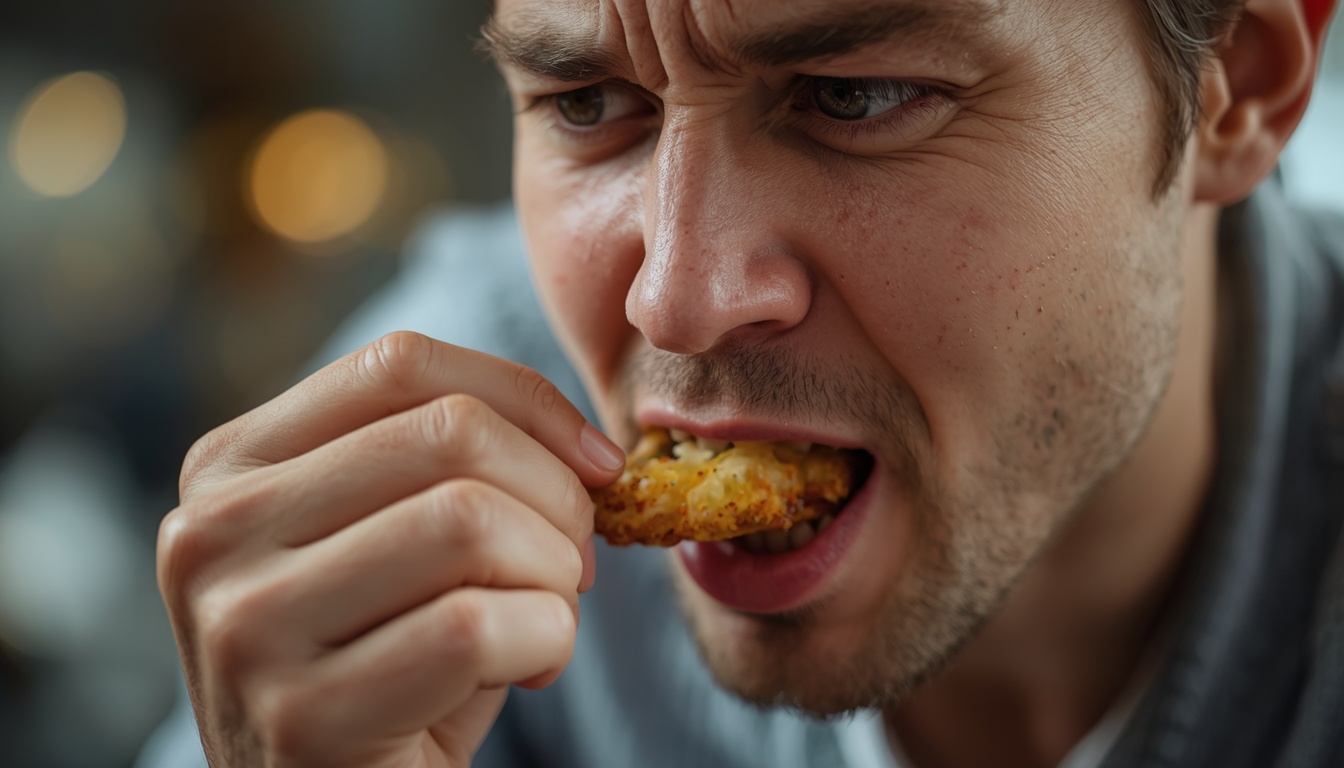
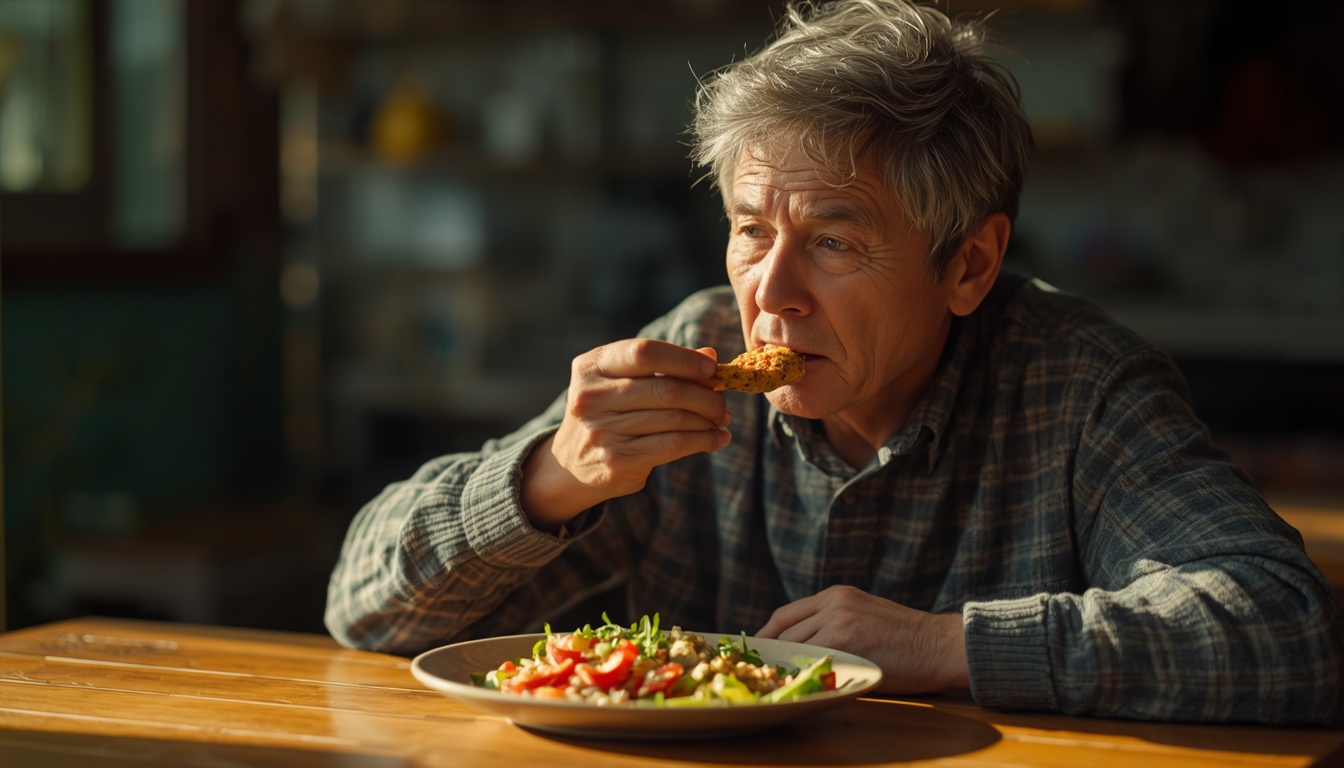
A smoothie vanishes in ninety seconds. A sandwich disappears between emails. The glucose still arrives. The briefing that used to precede it often does not.
Your pancreas is not only a late-stage pump that dumps insulin after blood sugar rises. It is part of a meal-anticipation system that starts in the mouth, the vagus nerve, and the upper gut. Ancestral meals took time: looking, smelling, chewing tough food, swallowing in pulses. Modern meals can skip most of that and still deliver a large, fast carbohydrate load. The gland still works. The timing of its first messages is what changed.
What This Mismatch Feels Like
People notice:
- A sharp energy dip an hour after a fast liquid breakfast
- Hunger returning quickly after a “healthy” shake
- Feeling better after the same calories eaten as food you actually chew
- A bigger post-meal slump when lunch is eaten standing and rushed
- Less of a crash when vegetables and protein arrive before the starch
- No diagnosis of diabetes — just a body that handles paced mixed meals more cleanly than gulped ones
Those patterns are not proof that your pancreas is failing. They are often proof that the early warning system never got a full signal.
The Gland That Starts Before Glucose Arrives
Insulin comes from beta cells in the pancreatic islets. Glucagon comes from neighboring alpha cells. After a meal, insulin should rise enough to store incoming glucose and quiet the liver’s glucose output. Glucagon should step back.
That handoff works better when the pancreas is primed. Ivan Pavlov showed more than a century ago that digestion is not only a gut event. Sight, smell, and taste of food prepare secretions before nutrients are absorbed. The same logic applies to insulin.
Karen Teff and colleagues mapped the human version: the cephalic phase insulin response. When people chew and taste food — even in modified sham feeding, where they spit the bite out — insulin and C-peptide can rise within a few minutes, before blood glucose has climbed from absorption. In one design, oral stimulation during an intragastric glucose load improved the later glucose curve compared with the same glucose without the mouth briefing. The early pulse is small. Its job is large: tell the liver and muscle that a meal is real.
That pulse is carried largely by the vagus nerve. Acetylcholine reaches the islets. Pancreatic polypeptide, another vagal islet signal, often rises in the same window. Skip chewing, skip aroma, skip the pause of a plated meal, and you skip part of the briefing.
Incretins: The Gut’s Second Memo
Once food is swallowed, the small intestine writes a second memo. Jens Juul Holst and others established that oral glucose produces far more insulin than the same glucose given by vein. That gap is the incretin effect. Two gut hormones do most of the work: glucose-dependent insulinotropic polypeptide (GIP) from the upper small bowel, and glucagon-like peptide-1 (GLP-1) from farther down.
Michael Nauck’s classic work showed how large this amplification is in healthy people — and how blunted it becomes in type 2 diabetes. Incretins do not fire in a vacuum. They respond to actual nutrient arrival in the gut. Rapidly available starch and free glucose tend to drive an early GIP rise that tracks how fast glucose appears in the blood. Slower starch can stretch the later GLP-1 and GIP tail. Protein and fat also stimulate both hormones; fat is a particularly reliable GIP stimulus.
Sequence matters as well. Studies of mixed Asian-style meals have found that eating vegetables and protein before rice can flatten the glucose curve and change the GLP-1 pattern compared with rice first. The pancreas is not being asked to guess. It is being asked to follow a script that starts in the mouth and continues as the meal unfolds.
This is why the same grams of carbohydrate can feel different as a soda, a smoothie, or a bowl of intact grain with oil and fiber. The carbon atoms may match. The timing of the memos does not.
Why Evolution Built a Paced System
For most of human history, a meal was not a bottle. It was plants that needed tearing, meat that needed chewing, tubers that needed cooking and then more chewing. Oro-sensory exposure lasted minutes, not seconds. Gastric emptying was paced by solids, fat, and acid. The beta cell’s first job was to prepare storage, not to chase a sudden intravenous-like rise.
A fast early insulin pulse also protects against a later overshoot. If insulin arrives only after glucose is already high, the correction can overshoot and leave you shaky and hungry — the familiar crash after a rushed sweet lunch. Cephalic priming and a mixed, chewed meal reduce that lag.
The system also assumes a real meal, not a graze of isolated sugar. That is the same logic behind why the gallbladder still expects a real meal: CCK, bile, and insulin all evolved around discrete eating events with texture, fat, and time.
What Modern Eating Changes
None of this means you must chew each bite forty times as a moral rule. It means several modern defaults remove the signals the islets still use:
Liquids that are meals. Smoothies, juices, and sweet drinks collapse chewing and speed gastric emptying. Calories arrive. The mouth briefing is short.
Ultra-fast refined starch. Soft bread, many breakfast cereals, and candy need little work. They also pair with the hyperpalatable cues described in the taste system calibrated for scarcity — intense sweetness without the mechanical cost that used to slow intake.
Eating while distracted. The cephalic phase is sensory. A meal you barely look at or smell is a weaker tease for the vagus.
Carbohydrate first, protein last. Rice, toast, or pasta at the front of the plate hits the gut before the protein and fat that slow emptying and help GLP-1.
Sitting still after the last bite. Muscle is the main place insulin wants to put glucose. A short walk after eating, the theme of why your blood sugar still expects a walk after meals, is the downstream partner of a paced pancreas.
Hidden Triggers of a Messy Post-Meal Curve
- Drinking the carbohydrate portion of breakfast
- Very large late dinners when insulin sensitivity is already lower
- Poor sleep, which raises next-day appetite and can blunt glucose handling
- Eating the same calories twice as fast as usual
- Pairing caffeine and a sweet pastry on an empty stomach
- Very low-fiber “health” bars that behave more like candy than like a meal
- Skipping protein at breakfast so the first insulin wave has little mixed-meal company
None of these invent diabetes. They make a healthy pancreas work under conditions it was not briefed for.
When to Worry
See a clinician promptly if you have:
- Repeated excessive thirst, frequent urination, unexplained weight loss, or blurry vision
- Fasting glucose or A1C already in the prediabetes or diabetes range
- Family history plus rising waist size and energy crashes after every carb-heavy meal
- Known pancreatitis, heavy alcohol use, or severe upper abdominal pain radiating to the back
- Post-meal symptoms that include confusion, fainting, or glucose readings that swing widely
A one-off slump after a milkshake is not an emergency. A pattern of classic hyperglycemia symptoms is.
Myths vs Facts
Myth: If you are not diabetic, meal pace does not matter.
Fact: Even in healthy adults, chewing time, meal sequence, and liquid versus solid form change early insulin and the shape of the glucose curve.
Myth: Insulin only rises after sugar hits the blood.
Fact: A cephalic pulse can start from oral sensory input before absorption.
Myth: Smoothies are metabolically identical to the whole fruit and yogurt they contain.
Fact: Blending can preserve nutrients and still remove chewing time and change emptying. The briefing is shorter.
Myth: More insulin is always worse.
Fact: An early, well-timed pulse can reduce the later peak. Chronically high insulin from constant grazing is a different problem.
Myth: Incretin drugs prove the natural system is broken.
Fact: GLP-1 medicines amplify a pathway the gut already uses. Everyday meals still determine how much of that pathway you recruit without a prescription.
How to Give the Pancreas the Briefing It Expects
You do not need a perfect ancestral diet. You need a few restored cues.
Chew the carbohydrate. If breakfast is oats, berries, and yogurt, eat them with a spoon, not as a drink. If lunch is a sandwich, sit down for it.
Lead with texture. Vegetables, protein, or a few bites of fat before the fastest starch often flatten the rise.
Keep meals identifiable. Three meals with pauses beat a day of sweet sips. The gallbladder, stomach, and islets all prefer events.
Use the walk. Ten minutes after eating is not exercise theater. It is muscle taking up glucose while insulin is already on duty.
Protect morning light and meal timing. Insulin sensitivity is generally better earlier in the day. A chewed breakfast beats a late liquid lunch if you have to choose.
Sleep. A short night changes hunger hormones and next-day glucose. The pancreas is not independent of the clock.
These steps will not replace medical care if diabetes is already present. They will make ordinary meals look more like the signal the islets evolved to read.
When to See a Doctor
Book a visit if crashes are daily, if you need sugar to abort shakiness after every meal, or if you have risk factors and have never had fasting glucose or A1C checked. Ask about pancreatitis history before assuming every upper-abdominal twinge is “just digestion.” Bring a simple food-and-symptom log. Pattern beats a single dramatic smoothie story.
Frequently Asked Questions
Does chewing more times always lower blood sugar?
Not as a magic number. More chews and longer oro-sensory time often raise early insulin and can improve the glucose curve, especially in the morning, but the whole meal still matters.
Are meal-replacement shakes always a problem?
They can be useful when chewing is impossible or calories must be controlled. They are a weaker cephalic briefing than a mixed plate. If you use them, add a short walk and avoid stacking them with extra sweet drinks.
Does eating slowly always increase insulin?
Slower eating can increase early insulin and C-peptide in some studies while improving the glucose shape. That early rise is often the useful briefing, not a sign of harm.
Is fruit juice the same as fruit?
Juice removes the chew and much of the matrix that slows absorption. Whole fruit is closer to the paced meal the pancreas expects.
Can this reverse type 2 diabetes by itself?
Meal structure, walking, sleep, and weight change can improve glucose in many people. Established diabetes still needs medical follow-up. Do not stop prescribed medicine because chewing improved a home reading.
Why do I feel better after a sit-down lunch than a desk shake with the same calories?
Sight, smell, chewing, sequence, and the post-meal walk all change hormones and emptying. Calories are not the only memo.
Conclusion
Your pancreas still expects a meal that announces itself. Eyes, nose, teeth, and a few unhurried minutes tell the vagus to start insulin. The gut then sends GIP and GLP-1 as nutrients actually arrive. Liquid calories and rushed refined starch skip the announcement and keep the load. You do not have to eat like a forager. You only have to give the islets a beginning, a middle, and a little time — the briefing they were built to receive.