
Constantly biting the inside of your cheek? Discover common causes like stress and dental issues, what it feels like, when to worry, and natural ways to stop this unconscious habit for better oral comfort.
You’re focused on a task, maybe scrolling through your phone or deep in conversation, when suddenly—ouch. That sharp sting from biting the inside of your cheek again. It happens more often than you’d like, sometimes without you even noticing until the pain hits. If this sounds familiar, you’re not alone. Many people experience this frustrating habit, and it can leave you wondering what’s really going on inside your mouth.
The good news? Understanding why it happens is the first step toward finding relief. This common issue, often called chronic cheek biting or morsicatio buccarum, is usually harmless but can become uncomfortable or persistent. Let’s explore what’s causing it, how it feels, and practical ways to manage it so you can enjoy meals, talks, and quiet moments without that unwelcome surprise.
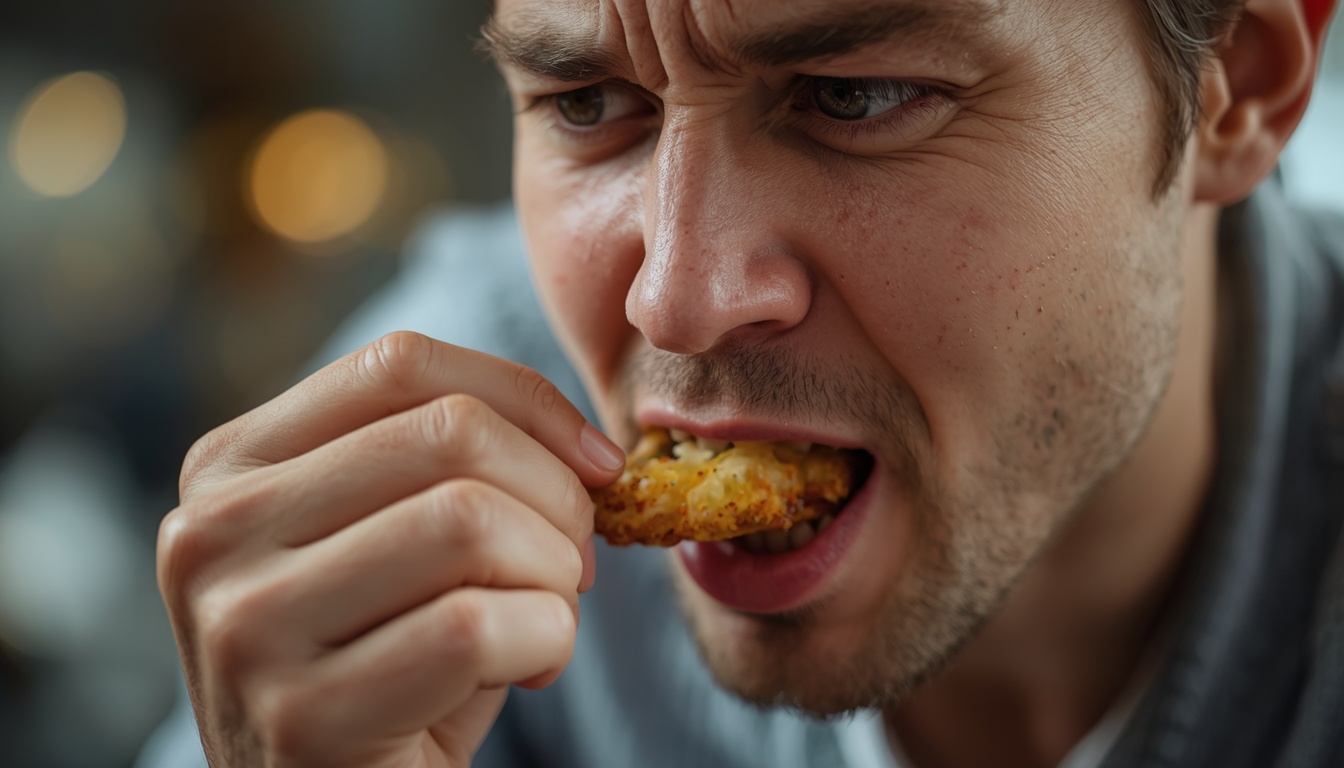
What Is Cheek Biting, Anyway?
In simple terms, cheek biting is when the soft tissue inside your cheek gets caught between your teeth. Most of us do it accidentally now and then—perhaps while eating too quickly or chatting with food in our mouth. But for some, it becomes a regular, often unconscious occurrence.
Medically, the chronic form is known as morsicatio buccarum. It involves repetitive chewing, nibbling, or biting of the inner cheek lining, which can lead to thickened, white, or ragged patches. This isn’t usually a sign of something dangerous, but it signals your body is responding to repeated friction or a deeper habit.
What Does It Feel Like?
Picture this: a sudden, sharp pinch that makes your eyes water for a second. The area might feel raw, swollen, or tender afterward, especially if you keep catching the same spot. Over time, you might notice a rough, shaggy texture inside your cheek—like loose threads of tissue that your tongue keeps exploring.
It’s not always painful, but the irritation can make eating certain foods (think crunchy or spicy) uncomfortable. Some people describe a constant awareness of the area, almost like a small callus forming. If it happens during sleep or deep focus, you might only notice the aftermath the next day.
Common Causes: Everyday Triggers You Might Recognize
Life’s little stresses and habits often play a big role. Here are some frequent culprits:
- Stress and Anxiety: When your mind is racing, your body looks for ways to cope. Cheek biting can become a subconscious soothing mechanism, similar to nail-biting or fidgeting. It provides a brief distraction or sensory relief during tense moments, deadlines, or emotional ups and downs.
- Boredom or Deep Concentration: Zoning out while watching TV, reading, or working? Your mouth might go on autopilot.
- Eating Habits: Talking while chewing, eating too fast, or multitasking during meals increases the chances of accidental bites.
- Dental Factors: Misaligned teeth, sharp edges from fillings or crowns, emerging wisdom teeth, or even an ill-fitting mouthguard can make it easier for your cheek to get trapped.
These everyday factors explain why so many notice it during busy or emotionally charged periods of life.
What’s Happening in Your Body?
Your mouth’s lining (buccal mucosa) is delicate but resilient. When teeth repeatedly rub or pinch it, the tissue reacts protectively. It thickens through a process called hyperkeratosis—building up keratin, the same protein in your skin and nails—to create a barrier against further injury.
This results in those characteristic white, shredded patches. It’s your body’s smart but sometimes overzealous repair mode. In chronic cases, it forms a cycle: biting causes roughness, which tempts more biting to “smooth” it out, perpetuating the habit.
Neurologically, this ties into body-focused repetitive behaviors (BFRBs), linked to how our brains handle stress, focus, or emotions. It’s often subconscious, happening during sleep or absent-minded moments.
Less Common but Important Causes
Sometimes, other factors contribute:
- TMJ Disorders or Bruxism: Jaw misalignment or teeth grinding can alter how your mouth moves, leading to more accidental bites.
- Psychological Links: Associations with anxiety, depression, or conditions like ADHD or OCD. A 2019 study noted higher rates during pregnancy, possibly tied to hormonal or emotional shifts.
- Nutritional or Medical Factors: Rarely, deficiencies (like iron or B vitamins) or other oral conditions might play a role, though these are less typical.
Genetics may also make some people more prone to these habits, according to organizations like the TLC Foundation for BFRBs.
Hidden Triggers People Often Overlook
Beyond the obvious, consider these sneaky contributors:
- Recent dental work that slightly changed your bite.
- Dehydration or dry mouth, making tissues stickier.
- Habits like chewing gum excessively or using tobacco.
- Emotional “background noise”—low-level worry that builds up without you realizing.
Paying attention to when it happens most (e.g., during work calls or evenings) can reveal your personal triggers.
When to Worry: Red Flags That Deserve Attention
Most cheek biting is benign, but watch for these signs that it’s time to consult a professional:
- Painful ulcers that don’t heal within 1–2 weeks.
- Swelling, bleeding, or increasing lumps in the cheek.
- Difficulty eating, speaking, or opening your mouth normally.
- Signs of infection, like pus or fever.
- Persistent white patches that change in appearance or spread significantly.
While chronic friction alone doesn’t typically cause oral cancer, any non-healing sore warrants a check-up to rule out other issues.
How to Manage and Reduce Cheek Biting Naturally
The goal is breaking the cycle with awareness and gentle habits. Here’s what often helps:
Build Awareness
Notice when it happens. Keep a gentle mental note or set phone reminders. Awareness is half the battle with subconscious habits.
Stress-Relief Techniques
Try deep breathing, short walks, mindfulness apps, or yoga. Even progressive muscle relaxation for your jaw can reduce tension. Many find journaling or talking to a trusted friend eases the emotional load that fuels the habit.
Oral Care Adjustments
- Chew slowly and mindfully—put your fork down between bites.
- Stay hydrated and consider sugar-free gum (sparingly) to occupy your mouth differently.
- Practice tongue positioning: Rest it gently against the roof of your mouth.
Lifestyle Tweaks
Regular exercise, consistent sleep, and balanced meals support overall nervous system calm. Some benefit from fidget toys or stress balls as alternative outlets.
Myths vs. Facts
- Myth: It’s just a silly habit you can stop instantly. Fact: For many, it’s a deeply ingrained BFRB requiring patience and strategies.
- Myth: Only kids do this. Fact: It affects adults too, often starting or worsening in stressful life phases.
- Myth: It will lead to serious disease. Fact: Usually harmless, though persistent irritation needs monitoring.
When to See a Doctor or Dentist
Start with your dentist for a bite evaluation—they can smooth sharp edges, check alignment, or recommend a custom mouthguard or occlusal splint to protect the tissue while the habit fades.
If stress or anxiety seems central, a therapist trained in cognitive behavioral therapy (CBT) or habit reversal training can make a big difference. In some cases, addressing underlying conditions like TMJ brings quick improvement.
Frequently Asked Questions
Is cheek biting dangerous?
Usually not. It’s uncomfortable but rarely leads to major problems when managed. Persistent issues should be evaluated.
Can I fix it without professional help?
Many people reduce it significantly with awareness, stress management, and habit changes. Dental input helps rule out physical causes.
Why does it happen more at night?
Sleep-related biting often ties to bruxism or relaxed jaw positioning. A night guard can help.
Will the white patches go away?
Yes, once the biting decreases, the tissue often returns to normal over weeks to months.
Is it related to OCD?
It falls under body-focused repetitive behaviors, which can overlap with anxiety or OCD traits but isn’t the same for everyone.
What about kids or during pregnancy?
It’s common in both. Gentle guidance and addressing stressors usually suffice.
Does diet matter?
Indirectly—nutrient-rich foods support tissue health, and avoiding overly crunchy items during flares helps.
Wrapping Up: You’ve Got This
Biting the inside of your cheek without realizing it is a surprisingly common experience that often reflects the interplay between your daily stresses, habits, and oral anatomy. By understanding the “why” behind it, you’re already on the path to gentler days and a more comfortable mouth.
Be patient with yourself—this isn’t about perfection but progress. Small, consistent changes can break the cycle, leaving you free to enjoy life’s moments fully. If the habit persists or causes ongoing concern, reaching out to a dentist or healthcare provider ensures personalized support. Your smile (and cheeks) will thank you.