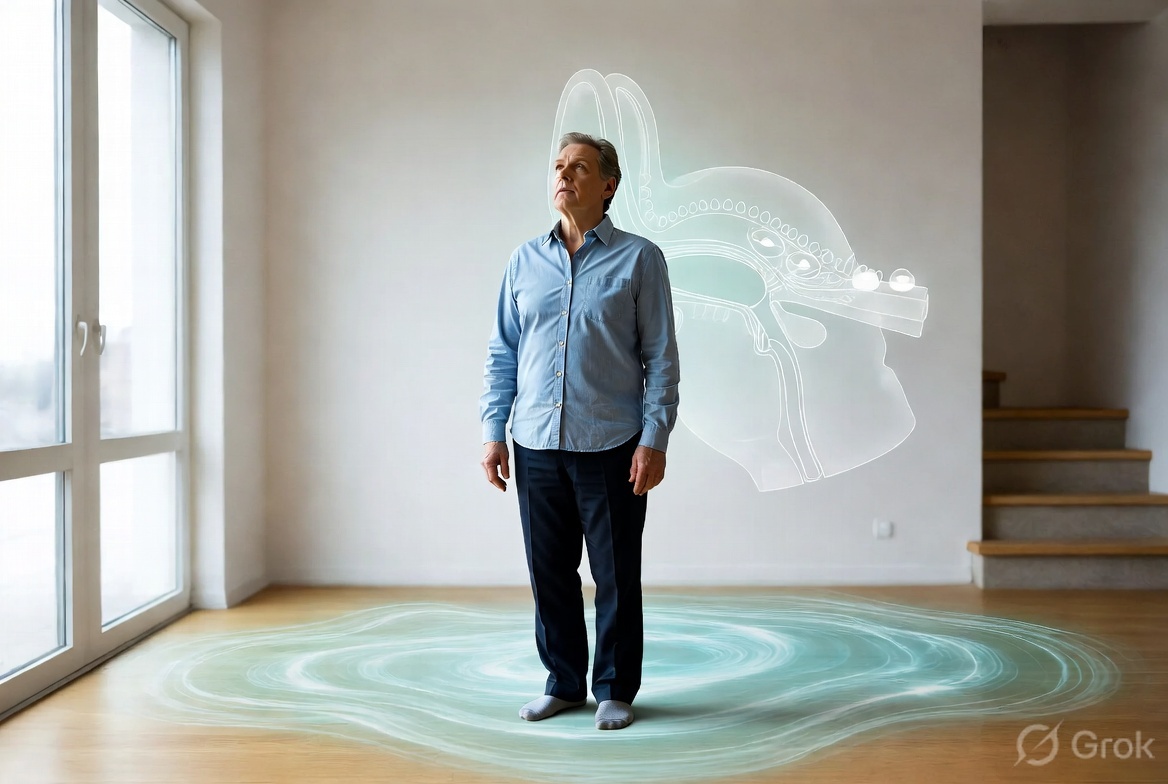
Why do you feel dizzy when standing too long? Learn the causes, warning signs, body science, and natural ways to prevent dizziness safely.
You’re standing in a crowded line at a concert, waiting at a school assembly, praying during a ceremony, or cooking in the kitchen for a long time. Suddenly, your legs feel weak. Your vision becomes blurry. You start sweating, your ears ring, and it feels like the room is gently spinning around you. You wonder: “Why do I feel dizzy when I stand still for too long?”
This strange sensation is surprisingly common. Many people experience dizziness, lightheadedness, or even fainting after standing still for extended periods. In most cases, it’s harmless and temporary. But sometimes, it can signal an underlying health issue your body wants you to notice.
The good news is that understanding why this happens can help you prevent it, manage it naturally, and recognize when it might need medical attention.
In this article, we’ll explore:
- What this kind of dizziness actually feels like
- Why standing still can trigger it
- Common and hidden causes
- Serious conditions to watch for
- Biological explanations inside your body
- Natural ways to reduce symptoms
- When you should see a doctor
What Does This Symptom Feel Like?
Dizziness from standing still too long doesn’t always feel the same for everyone. Some people describe it as feeling faint, while others experience spinning sensations or sudden weakness.
Common sensations include:
- Lightheadedness
- Feeling like you might faint
- Blurred or tunnel vision
- Weak or shaky legs
- Nausea
- Sweating
- Ringing in the ears
- A floating or disconnected feeling
- Sudden fatigue
- Rapid heartbeat
For some people, the symptoms improve quickly once they sit down or move around. Others may actually faint if the episode continues.
The key detail is that the dizziness appears after standing still, not necessarily after walking or exercising.
Why Standing Still Can Make You Dizzy
At first glance, standing still seems easy for the body. But biologically, it’s actually a challenge.
Your circulatory system constantly works against gravity. When you stand upright, blood naturally pools in the lower part of your body, especially in your legs.
Normally, your body compensates by:
- Tightening blood vessels
- Increasing heart rate slightly
- Using leg muscle contractions to push blood upward
- Maintaining blood pressure to the brain
But when you stand completely still for too long, your leg muscles stop helping pump blood back toward your heart.
This can reduce blood flow to the brain for a short time. The brain is extremely sensitive to even small drops in oxygen and blood supply. The result? Dizziness, faintness, and weakness.
Why This Happens in Your Body
Your body relies on an amazing coordination system involving:
- The heart
- Blood vessels
- Nerves
- Muscles
- The brain
When you stand upright, gravity pulls around 500–800 milliliters of blood downward into your legs and lower abdomen.
To compensate, special pressure sensors called baroreceptors detect changes in blood pressure. These receptors send signals to your nervous system to:
- Constrict blood vessels
- Increase heart rate
- Maintain stable blood pressure
Your calf muscles also act like “secondary hearts.” Every time you move your legs, muscles squeeze veins and push blood upward.
But standing perfectly still reduces this muscle pumping action. Blood begins pooling in the legs. Less blood returns to the heart, and slightly less oxygen-rich blood reaches the brain.
This temporary drop can trigger:
- Lightheadedness
- Sweating
- Blurred vision
- Nausea
- Fainting
In some people, the nervous system overreacts and suddenly slows the heart rate while widening blood vessels. This is called a vasovagal response, one of the most common reasons people faint while standing.
Common Causes of Dizziness While Standing Still
Most cases are not dangerous. Many everyday factors can contribute.
1. Blood Pooling in the Legs
This is the most common cause.
Standing motionless prevents muscles from helping circulation. Blood settles downward, temporarily reducing blood flow to the brain.
This is why soldiers standing at attention sometimes faint during ceremonies.
2. Dehydration
If you don’t drink enough fluids, your blood volume decreases.
Lower blood volume means your body struggles more to maintain stable blood pressure when standing.
Signs dehydration may contribute include:
- Dry mouth
- Dark urine
- Headaches
- Fatigue
- Increased thirst
3. Heat Exposure
Hot environments widen blood vessels to help cool the body.
Unfortunately, this also lowers blood pressure and encourages more blood pooling in the legs.
That’s why people often feel faint in:
- Crowded rooms
- Outdoor summer events
- Hot showers
- Poorly ventilated spaces
4. Low Blood Sugar
If you haven’t eaten for a long time, your brain may not receive enough glucose for optimal function.
This can worsen dizziness and weakness while standing.
Symptoms may include:
- Shakiness
- Sweating
- Irritability
- Difficulty concentrating
5. Standing Up Too Quickly
Although slightly different from standing still dizziness, sudden posture changes can also cause lightheadedness.
This is known as orthostatic hypotension, where blood pressure briefly drops after standing.
6. Fatigue and Sleep Deprivation
Exhaustion affects nervous system regulation and blood pressure control.
Poor sleep can make your body less efficient at maintaining circulation.
7. Anxiety and Stress
Stress activates the nervous system and changes breathing patterns.
Some anxious people unknowingly hyperventilate while standing in stressful environments, leading to dizziness, tingling, and faint feelings.
8. Poor Circulation
Some people naturally have weaker circulation or lower blood pressure.
This makes them more sensitive to prolonged standing.
Hidden Triggers People Often Ignore
Many people focus only on standing itself and miss the hidden contributors making symptoms worse.
Skipping Breakfast
Standing for long periods on an empty stomach is a major trigger.
Your brain depends heavily on glucose for energy.
Tight Clothing
Tight belts, shapewear, or restrictive clothing can interfere with blood return from the legs and abdomen.
Locking Your Knees
Standing stiffly with locked knees reduces circulation even more.
This is a classic cause of fainting during ceremonies or parades.
Menstrual Blood Loss
Some women experience increased dizziness during menstruation due to temporary blood volume changes or iron deficiency.
Alcohol Consumption
Alcohol widens blood vessels and dehydrates the body, increasing the risk of dizziness.
Long Periods Without Movement
Even subtle leg movement matters.
Standing frozen in place is much harder on circulation than gently shifting weight or walking slowly.
Poor Physical Conditioning
Weak leg muscles and reduced cardiovascular fitness can make it harder for the body to maintain healthy circulation during prolonged standing.
Less Common But Serious Causes
Sometimes dizziness while standing may indicate an underlying medical issue.
1. Heart Problems
Certain heart conditions can reduce blood flow to the brain.
Examples include:
- Abnormal heart rhythms
- Heart valve disorders
- Heart failure
Heart-related dizziness may occur alongside:
- Chest pain
- Palpitations
- Shortness of breath
2. Anemia
Anemia occurs when the blood lacks enough healthy red blood cells or hemoglobin.
This reduces oxygen delivery throughout the body.
Common symptoms include:
- Pale skin
- Extreme fatigue
- Weakness
- Frequent dizziness
3. Nervous System Disorders
Conditions affecting the autonomic nervous system can interfere with blood pressure regulation.
Examples include:
- Parkinson’s disease
- Autonomic neuropathy
- Certain neurological disorders
4. Postural Orthostatic Tachycardia Syndrome (POTS)
POTS is a condition involving abnormal heart rate responses to standing.
People with POTS may experience:
- Rapid heartbeat
- Extreme dizziness
- Fatigue
- Brain fog
- Fainting
5. Internal Bleeding or Severe Blood Loss
Sudden unexplained dizziness with weakness and pale skin can occasionally signal dangerous blood loss.
This requires urgent medical evaluation.
6. Endocrine Disorders
Hormonal conditions affecting blood pressure or metabolism may contribute.
Examples include:
- Adrenal insufficiency
- Thyroid disorders
- Diabetes-related complications
Why Some People Actually Faint
Fainting, also called syncope, happens when the brain briefly receives insufficient blood flow.
During prolonged standing, this may happen through a chain reaction:
- Blood pools in the legs
- Blood pressure drops
- The nervous system overreacts
- Heart rate slows suddenly
- Blood vessels widen
- Brain blood flow decreases temporarily
- The person loses consciousness briefly
Fainting itself is usually short and harmless if caused by a vasovagal episode, but injuries from falling can be dangerous.
Myths vs Facts
Myth: Feeling dizzy while standing always means low blood pressure.
Fact: Blood pressure changes are common, but dehydration, anxiety, heat, anemia, heart conditions, and nervous system issues can also contribute.
Myth: Healthy people never faint.
Fact: Even healthy individuals can faint under certain circumstances, especially with heat, dehydration, or prolonged standing.
Myth: It’s all psychological.
Fact: Although stress can worsen symptoms, real biological circulation changes are usually involved.
Myth: Standing still is easier than walking.
Fact: Gentle movement actually helps circulation more than standing motionless.
Myth: Dizziness is harmless in every case.
Fact: Persistent, worsening, or severe dizziness should never be ignored.
When to Worry (Red Flags)
Most cases are mild and temporary. However, certain symptoms require medical attention.
Seek medical evaluation if dizziness occurs with:
- Chest pain
- Difficulty breathing
- Irregular heartbeat
- Repeated fainting episodes
- Severe headaches
- Confusion
- Slurred speech
- Weakness on one side of the body
- Loss of consciousness without warning
- Black or bloody stools
- Severe fatigue
- Persistent symptoms that worsen over time
These signs may indicate serious heart, neurological, or circulatory conditions.
When to See a Doctor
You should consider seeing a healthcare professional if:
- Dizziness happens frequently
- Symptoms interfere with daily life
- You’ve fainted more than once
- You feel dizzy even when not standing
- You have known heart disease or diabetes
- You experience palpitations or chest discomfort
- Symptoms began suddenly without explanation
A doctor may evaluate:
- Blood pressure changes
- Heart rhythm
- Blood tests for anemia or dehydration
- Nervous system function
- Hydration and nutrition status
How to Manage or Reduce This Symptom Naturally
Fortunately, many cases improve with simple lifestyle strategies.
1. Keep Moving While Standing
If you must stand for long periods:
- Shift your weight regularly
- Flex calf muscles
- March lightly in place
- Avoid locking your knees
These movements help push blood upward toward the heart.
2. Stay Hydrated
Drink enough fluids throughout the day, especially in hot weather or before long periods of standing.
Proper hydration helps maintain healthy blood volume.
3. Eat Regular Meals
Avoid standing for extended periods on an empty stomach.
Balanced meals help stabilize blood sugar and energy levels.
4. Avoid Excessive Heat
Try to stay cool in crowded or warm environments.
Heat increases blood vessel widening and worsens dizziness.
5. Improve Leg Strength and Circulation
Regular physical activity improves circulation efficiency.
Walking, cycling, swimming, and leg exercises may help.
6. Rise Slowly
If you’ve been sitting or lying down, stand gradually rather than suddenly.
7. Recognize Early Warning Signs
If you notice:
- Tunnel vision
- Sweating
- Nausea
- Weakness
Immediately sit or lie down to prevent fainting.
8. Wear Comfortable Clothing
Avoid overly tight clothing that restricts circulation.
9. Prioritize Sleep
Adequate sleep supports nervous system regulation and blood pressure control.
10. Reduce Stress
Relaxation techniques and steady breathing may help people whose dizziness worsens with anxiety.
Why Teenagers and Young Adults Often Experience This
Younger people commonly experience standing-related dizziness because their nervous systems are still adapting to blood pressure regulation.
Growth spurts, dehydration, skipped meals, hormonal changes, and stress can all contribute.
In many cases, symptoms improve with age and better hydration habits.
Why Older Adults May Be More Vulnerable
Aging affects:
- Blood vessel elasticity
- Heart responsiveness
- Nervous system reflexes
- Muscle strength
Older adults may also have:
- Dehydration
- Chronic illnesses
- Reduced mobility
- Nutritional deficiencies
These factors can increase the risk of dizziness and falls.
Can Anxiety Alone Cause It?
Anxiety can absolutely contribute, but it usually interacts with physical changes rather than acting alone.
Stress may:
- Alter breathing patterns
- Increase adrenaline
- Change blood vessel behavior
- Trigger vasovagal responses
Standing in emotionally stressful situations — like public speaking, medical procedures, or crowded environments — can increase fainting risk.
Why Ceremonies and Long Lines Trigger Fainting
There’s a reason fainting often happens during:
- Graduations
- Religious ceremonies
- Military events
- Concert lines
- Theme park queues
These situations combine several triggers:
- Standing still
- Heat
- Dehydration
- Emotional stress
- Locked knees
- Crowded environments
Together, they create the perfect conditions for reduced brain blood flow.
Can This Be Prevented Completely?
Not always, but understanding your personal triggers makes a huge difference.
Many people dramatically reduce episodes by:
- Staying hydrated
- Eating regularly
- Moving their legs while standing
- Managing stress
- Avoiding overheating
The body usually gives warning signs before fainting, so learning to recognize them early is important.
Conclusion
Feeling dizzy when standing still for too long is extremely common and often harmless. In many cases, it happens because gravity pulls blood into the legs while the brain temporarily receives slightly less blood flow.
Dehydration, heat, stress, fatigue, low blood sugar, and standing motionless can all make symptoms worse. Usually, simple measures like staying hydrated, moving your legs, eating regularly, and avoiding overheating can help significantly.
However, recurring or severe dizziness should never be ignored. Sometimes the symptom can point to anemia, heart problems, nervous system disorders, or circulation issues that need medical evaluation.
Your body constantly works to maintain balance, blood pressure, and brain oxygen supply. When dizziness appears, it’s often your body’s way of asking for support, movement, hydration, or rest.
Paying attention to those signals can help you stay safe, comfortable, and confident — even during those long moments when life requires standing still.