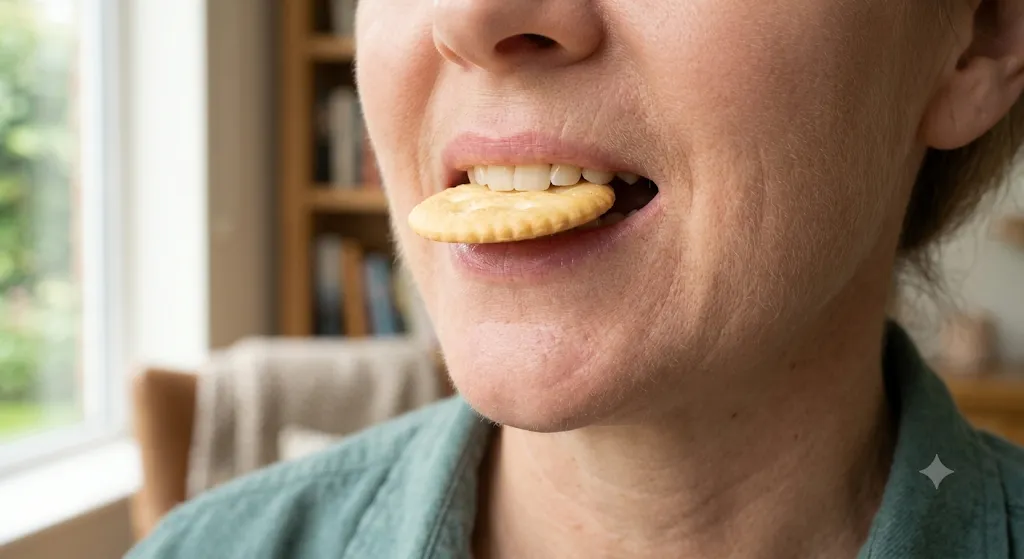
Your gut’s housekeeping system still expects gaps between meals to clear residual food and bacteria. Modern snacking keeps interrupting that cycle.

You finish lunch, then an hour later you reach for a handful of nuts or a piece of fruit. By mid-afternoon the kitchen is calling again. It feels normal now, but your small intestine is still running a much older program. That program expects stretches of empty time so it can sweep itself clean.
What the Gut Actually Does Between Meals
After a meal is digested and the last nutrients are absorbed, the small intestine does not simply sit still. Roughly 90 to 120 minutes later, if no new food arrives, a pattern of strong, rhythmic contractions begins. Researchers call this the migrating motor complex, or MMC. It is a sweeping wave that moves residual food particles, mucus, and bacteria toward the colon.
The classic description of this cycle comes from the work of J.H. Szurszewski and others in the late 1960s. They showed that the MMC is interrupted the moment you eat or drink something caloric. Even a small snack resets the clock. In ancestral conditions, meals were often separated by hours of foraging or rest. The gut had reliable windows in which to finish its housekeeping.
Modern eating patterns—three meals plus two or three snacks, plus coffee with milk, plus the occasional bite while working—keep the system in a near-constant fed state. The MMC rarely gets a full run.
Why This Matters More Than It Sounds
When the MMC is repeatedly interrupted, two things tend to happen. First, residual material lingers longer in the small intestine. Second, the normal ebb and flow of bacteria is altered. Some people notice this as a low-level sense of fullness, more gas, or the feeling that the abdomen never quite settles between meals. Others simply feel hungrier more often because the mechanical signals of emptiness arrive less clearly.
This is not the same as having a serious motility disorder. For most people it is a mismatch: a system calibrated for intermittent eating now faces near-continuous mild stimulation. Related sensations, such as the afternoon bloating many people describe, often improve when the gut is given clearer gaps. You can read more about that pattern in why you feel bloated every afternoon.
The same principle appears in other digestive “housekeeping” systems. The gallbladder, for example, still expects a substantial meal before it contracts strongly—something explored in why your gallbladder still expects a real meal. Continuous grazing keeps both systems in a partial-activation mode.
Common Everyday Triggers
- Frequent small snacks that each contain enough calories or carbohydrate to interrupt the MMC.
- Sipping sweetened drinks or milk-based coffee throughout the day.
- Eating while distracted, so the meal never feels “finished” and the next bite arrives sooner.
- Very late dinners followed by early breakfasts, leaving only a short overnight window.
None of these are harmful in isolation. They simply reduce the number of times the gut completes its cleaning cycle in a typical day.
When the Sensation Becomes a Signal
Most people who notice more fullness or gas when they snack frequently are experiencing a normal response to interrupted motility. Red flags are different: persistent pain, unexplained weight loss, vomiting, blood in the stool, or symptoms that wake you from sleep. Those warrant a medical evaluation rather than a simple change in meal spacing.
If you have a diagnosed motility disorder, gastroparesis, or small-intestinal bacterial overgrowth, the advice about meal gaps should come from your clinician. For otherwise healthy people, the mismatch is usually mild and reversible.
Myths Versus Facts
Myth: You must eat every few hours to “keep your metabolism up.”
Fact: Metabolic rate does not drop sharply with a few hours of fasting. The MMC and related hormonal shifts (lower insulin, rising glucagon-like peptide signals) are part of normal physiology.
Myth: Any calorie-containing drink is the same as solid food for the gut.
Fact: Liquids can interrupt the MMC, but solid meals with protein and fiber tend to produce stronger, longer-lasting fed patterns. The practical difference is still large.
Myth: Feeling hungry between meals means something is wrong.
Fact: Mild hunger is often the normal signal that the previous meal has been cleared and the MMC has begun. It is not an emergency for most people.
How to Give the Gut the Breaks It Still Expects
You do not need a strict fasting protocol. Small, consistent changes restore more of the ancestral pattern without drama.
- Aim for at least three to four hours between the end of one meal and the start of the next, including caloric drinks.
- Treat coffee or tea as a non-caloric pause when possible; add milk or sweeteners only if they fit inside a meal window.
- Finish dinner early enough that an overnight gap of 12 hours is realistic on most nights.
- If you need a snack, make it occasional rather than automatic, and choose something that genuinely satisfies so the next interval can be longer.
- Move a little after meals. A short walk supports overall motility and pairs well with the fiber and bulk your colon still expects.
Many people notice that afternoon energy and abdominal comfort improve within a week or two of clearer gaps. The gut does not require perfect discipline; it responds to a higher frequency of completed MMC cycles.
Frequently Asked Questions
How long does the gut need between meals for the cleaning cycle to start?
For most adults the migrating motor complex begins about 90 to 120 minutes after the last caloric intake, provided no new food or drink interrupts it. A practical target of three to four hours between meals gives the cycle room to complete at least once.
Does drinking water stop the process?
Plain water does not appear to interrupt the MMC the way caloric liquids do. Sipping water between meals is generally compatible with the cleaning cycle.
What if I get very hungry or lightheaded when I wait longer?
Start with modest extensions of your current gaps rather than sudden long fasts. Include adequate protein and fiber at meals so satiety lasts longer. If lightheadedness persists, check overall intake and speak with a clinician.
Is this the same as intermittent fasting?
It overlaps with the idea of time-restricted eating, but the core point is simpler: reduce the number of times the fed state is restarted during the day. Even conventional three-meal patterns with no snacks already restore more MMC activity than constant grazing.
Can medications or conditions affect this cycle?
Yes. Certain drugs, stress, and some gastrointestinal conditions alter motility. If symptoms are strong or new, professional assessment is more useful than self-experimentation alone.
Conclusion
Your small intestine still runs a housekeeping program that expects occasional empty stretches. Modern snacking habits keep resetting that program before it finishes. Giving the gut clearer breaks between meals—without turning eating into a rigid schedule—lets the older pattern reappear. Most people find the abdomen settles more easily, and the next genuine meal feels more satisfying, once the interruptions become less constant.