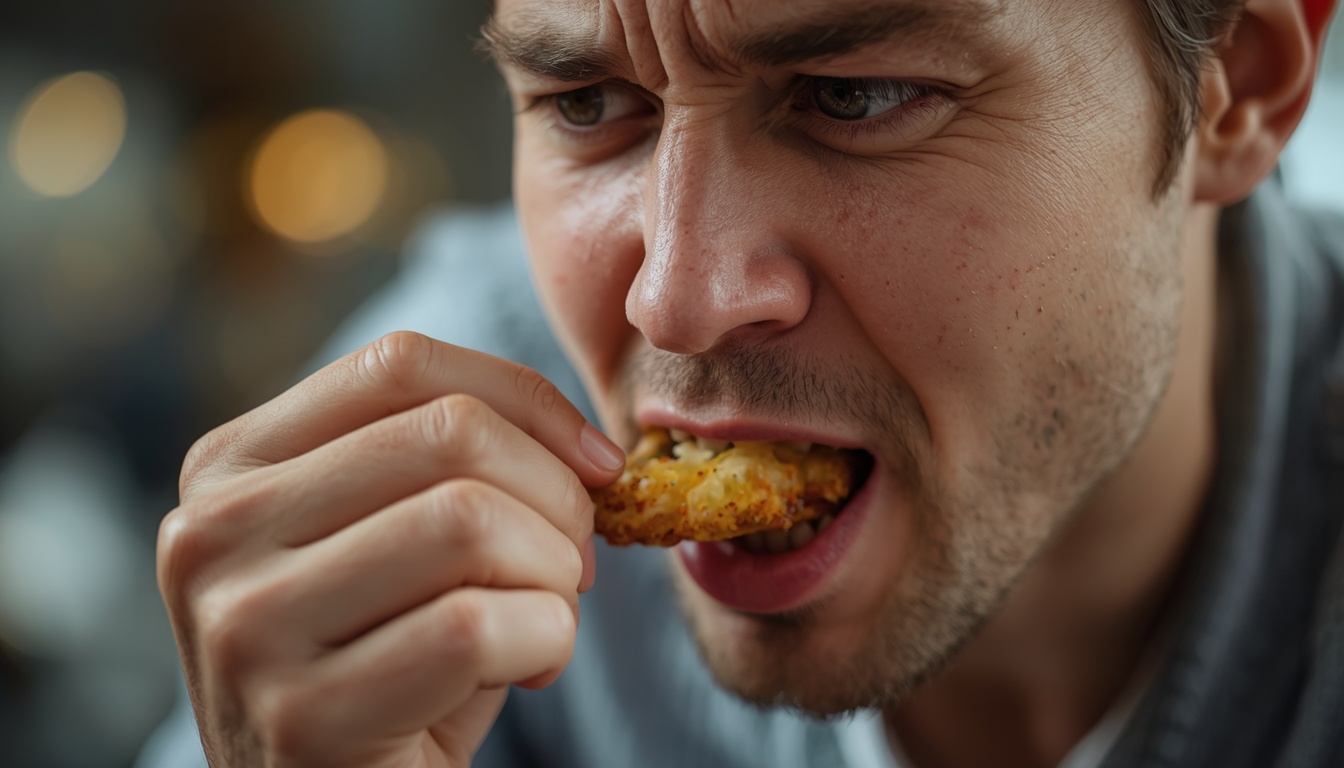
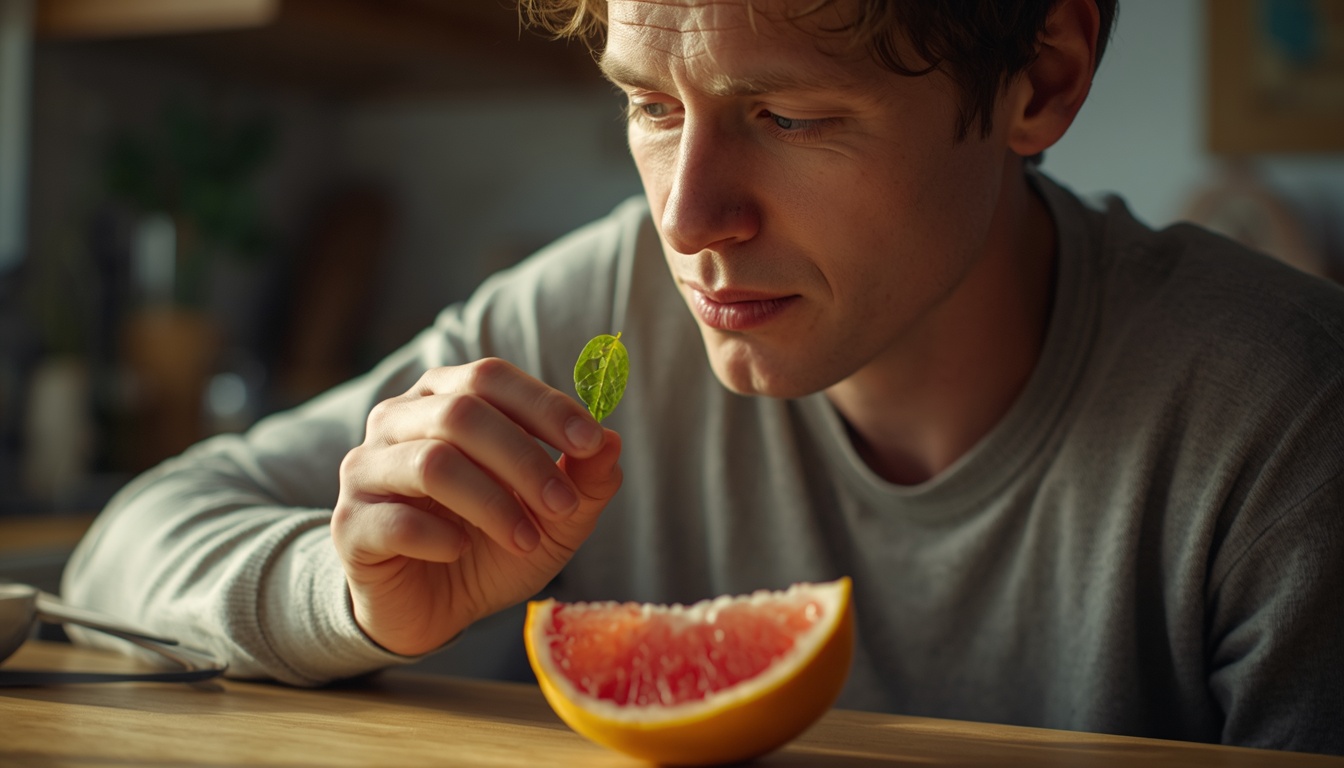
A sip of unsweetened grapefruit, a leaf of arugula, a square of high-cacao chocolate, a dash of unsweetened coffee: the first second is a warning. The mouth pulls back. Then, if you stay with it, the flavor opens instead of collapsing into sugar. That pause is not a personality test. It is an old chemical language.
Bitter taste did not evolve as a gourmet hobby. It evolved as a first-pass filter for plants that might be nutritious, medicinal, or toxic depending on dose. The receptors that read that language did not stay on the tongue. They also sit in the stomach, intestine, and even the airway. Your gut still expects occasional bitter notes because those notes used to brief digestion, hormone release, and defense. A food supply built around sweetness and fat leaves the briefing unsent.
What This Mismatch Feels Like
People notice:
- A preference for only sweet, salty, or creamy flavors, with greens tasting “too much”
- Feeling better after meals that include bitter leaves, citrus pith, herbs, coffee, or cocoa than after the same calories in dessert form
- Less afternoon bloating when a meal starts with something sharp instead of something soft
- A smaller post-meal slump when coffee or salad arrives with food rather than only soda
- Children and adults who reject broccoli or grapefruit more strongly than others in the same household
- No disease — just a palate trained by ultra-processed sweetness and a gut that still owns the older sensors
Those patterns do not prove that bitter foods are a cure. They suggest that a signaling channel is unused.
Bitter Started as a Poison Alarm
Taste is chemistry with a deadline. Sweet, salty, and umami said “energy and minerals.” Sour said “acid, unripe, or fermenting.” Bitter said “check this plant before you swallow a lot of it.”
Humans carry a family of bitter receptors called T2Rs, encoded by TAS2R genes. Wolfgang Meyerhof’s group in Potsdam mapped how dozens of these receptors cover overlapping sets of bitter molecules — alkaloids, glucosinolates, terpenes, and synthetic compounds. You do not have one lock for every plant. You have a panel that flags chemical families that often appear in defense compounds.
The most famous variant is TAS2R38, studied for decades through phenylthiocarbamide (PTC) and 6-n-propylthiouracil (PROP). Linda Bartoshuk’s work on “supertasters” and Stephen Wooding’s evolutionary genetics showed that people are not equally bitter-sensitive. Some taste a harsh edge in broccoli, kale, and coffee that others barely notice. That is receptor biology, not pickiness as a moral failing.
Charles Zuker’s laboratory and others established that bitter cells on the tongue are a dedicated line. Activate them and the animal rejects the sip. That rejection saved lives when a leaf contained too much alkaloid. It also meant that a little bitterness — below the toxic dose — could be learned, cooked, and used.
The Receptors Did Not Stay in the Mouth
The surprise of the last two decades is extra-oral taste. Enrique Rozengurt and Catia Sternini at UCLA and collaborators showed that T2R bitter receptors and their downstream signaling proteins appear in enteroendocrine cells of the gut. Those cells do not exist to write restaurant reviews. They exist to sample the lumen and release hormones.
When bitter compounds reach the small intestine in experimental models, several things can happen depending on the compound, the dose, and the region:
- Slowing of gastric emptying, so the next wave of food does not dump as fast
- Changes in ghrelin, CCK, or GLP-1 signals that help the brain and pancreas know a meal is underway
- Local defense responses, including extra mucus or antimicrobial peptides in some settings
- Altered motility — a “hold and inspect” rather than a “send it through”
This is the same family of meal-briefing logic described in why the pancreas still expects chewing and time. The mouth starts the memo. The gut continues it. Bitter is one of the inks.
Diego Bohórquez and colleagues later described neuropod cells — gut sensors that synapse onto the vagus nerve and can tell the brain about sugar within seconds. Bitter sensing is part of that broader luminal conversation. The intestine is not a passive pipe. It is a chemical nose pointing inward.
Why a Forager’s Gut Needed the Signal
Wild plants are not flavor-neutral. Leaves, skins, pith, roots, and many seeds carry bitter or astringent notes. Cooking and leaching reduced the harshest toxins. They did not erase bitterness from the diet. Bitter greens, herbs, bark teas, fermented drinks, coffee-like infusions, and cocoa were ordinary, not “health products.”
A small bitter pulse before or during a meal did useful work:
It slowed the swallow. You chewed. You added fat or starch. You did not chug a leaf.
It paced the stomach. A hold signal pairs well with the gallbladder’s need for a real mixed meal, the topic of why the gallbladder still expects a real meal. Bile and bitter plant chemicals often traveled together in traditional cuisines — greens with oil, grapefruit with protein, coffee after food.
It trained the liver and pancreas. Slower emptying and a clearer CCK or incretin rise give beta cells a cleaner curve than a sweet liquid that never announced itself as a plant.
It flagged dose. The same receptor that rejects a toxic sip allows a learned, smaller dose of a medicinal plant. Bitterness is not “good.” It is information.
What Modern Flavor Does Instead
Ultra-processed food is engineered against this channel. The taste system calibrated for scarcity, laid out in the taste system calibrated for scarcity, rewards sweet, fat, and salt with almost no bitter cost. Soft textures remove chewing. Flavorings add aroma without the plant’s defensive chemistry.
The result is not that T2Rs vanish. It is that they are rarely occupied by the molecules they evolved to meet, while sweet receptors are occupied all day.
Coffee is a partial exception, which is why a bitter cup can still change motility and alertness — and why coffee so often sends people to the bathroom. Even there, many cups arrive pre-sweetened, so the bitter briefing is diluted on purpose.
Children’s menus and “kid-friendly” snacks double the mismatch. Bitter sensitivity is often higher in childhood, an old safety setting. If the only allowed flavors are sweet and bland, the adult palate never practices the later, milder end of the same receptors.
Hidden Triggers That Make Bitter Feel Worse
Bitterness is louder when:
- You are a PROP-sensitive TAS2R38 variant
- You are pregnant (bitter rejection often rises in the first half of pregnancy)
- You eat bitter vegetables raw and under-salted after years of only sweet food
- Reflux or a sour mouth already has the esophagus on alert
- Medications taste bitter and train an aversion
- You pair bitter greens with no fat, no acid balance, and no cooking
Cooking is not cheating. Light sautéing, oil, lemon, and salt do not erase T2R activation. They bring the dose into the range humans have used for millennia.
When to Worry
See a clinician if:
- You suddenly cannot taste bitter or any flavor at all
- Bitterness is a constant phantom taste with no food present
- Swallowing bitter or any food causes pain, sticking, or vomiting
- Weight loss, black stools, or persistent vomiting accompany a new aversion
- A child refuses nearly all food, not only greens
Loss of taste can follow infection, medication, zinc issues, or nerve problems. A lifelong dislike of kale is not that list.
Myths vs Facts
Myth: Bitter foods “detox” the liver in a special way no other food can.
Fact: The liver does not need a bitter cleanse. Bitter plants can still be useful as fiber, phytochemicals, and meal-pacing signals.
Myth: If broccoli tastes terrible, you should force large raw servings.
Fact: Receptor genetics are real. Cooked smaller portions, different brassicas, or other bitter foods still occupy the channel.
Myth: Extra-oral bitter receptors mean a bitter pill or tonic will reliably raise GLP-1 like a drug.
Fact: Human hormone responses vary by compound and dose. Food patterns matter more than a single shot of bitters.
Myth: Sweetness is the only “natural” human preference.
Fact: Sweet is a strong preference. Bitter rejection is equally natural — and equally trainable within a safe range.
Myth: Coffee’s benefits are only caffeine.
Fact: Caffeine matters. The bitter matrix and other coffee compounds also meet receptors the gut still owns.
How to Give the Gut the Signal It Expects
You do not need a bitter-herb protocol. You need occasional honest bitterness inside ordinary meals.
Start the meal with a sharp note. A few leaves of arugula, radicchio, or herbs; grapefruit or lemon on fish or greens; unsweetened coffee or tea with food rather than a sweet drink first.
Cook the brassicas. Roasted broccoli with oil is still a T2R food. It is simply a kinder dose.
Keep some chocolate dark. High-cacao chocolate is bitter on purpose. A small square after a meal is closer to the old pattern than a frosted bar.
Do not chase “more bitter” as a contest. The point is presence, not punishment.
Chew. Bitter compounds need time on the tongue and in the lumen. That is the same paced-meal logic the pancreas still uses.
Pair bitter with fat and protein. Traditional plates already did this. The gallbladder and the bitter sensors are not rival systems.
Frequently Asked Questions
Why do I hate broccoli when my partner likes it?
TAS2R38 and other bitter-receptor variants change how intense some plant compounds taste. Household disagreement is often genetics plus habit, not a character gap.
Do digestive bitters before dinner actually work?
Some people notice less heaviness, likely from taste-triggered secretions and slower sipping. Evidence for large metabolic effects is mixed. A salad or unsweetened drink with the meal is a simpler version of the same idea.
Is coffee enough bitter for the day?
It is one useful source if it is not drowned in syrup. It is not the only plant the receptors recognize.
Should children be forced to eat bitter greens?
No. Repeated small, calm exposures with oil and cooking work better than a clean-plate battle. Childhood bitter sensitivity is often higher by design.
Can bitter foods replace diabetes or reflux treatment?
No. They can sit inside a paced mixed meal. They do not replace prescribed care.
Why does grapefruit taste soapy or harsh to me?
That can be receptor genetics, aroma compounds, or both. Another bitter food may suit you better.
Conclusion
Your gut still expects bitter flavors because bitterness was never only a culinary opinion. It was a chemical briefing: slow down, inspect the plant, pace the stomach, and tell the hormone system that this meal is not only sugar. The receptors remain on the tongue and in the intestine. The modern pantry simply stopped writing in that ink.
You do not have to love raw kale. You only have to let a little honest bitterness back onto the plate — cooked, oiled, small, and regular — so the oldest flavor alarm in the body has something true to say.