Seeing brief stars or spots after standing up is usually a short drop in blood flow to the eyes. It is common, often harmless, and tied to everyday posture changes.
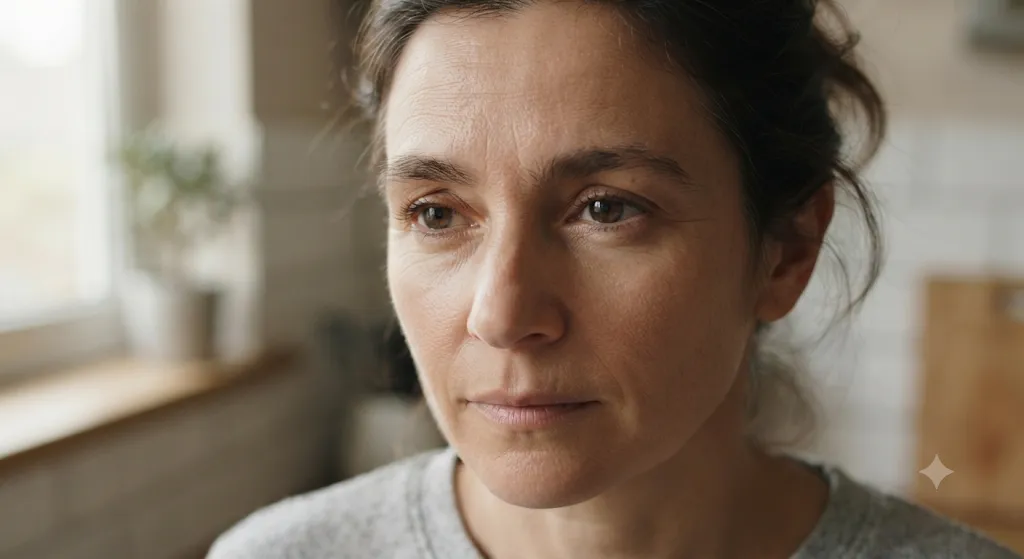
You stand up from the couch or desk and the room briefly fills with floating lights or dark spots. They vanish in a second or two, and you feel fine again. Most people have felt this at some point. It is usually the eyes registering a momentary dip in blood pressure as gravity pulls blood toward the legs.
What This Symptom Feels Like
The visual change is short. People describe white or colored sparkles, gray spots, a brief tunnel, or a shimmering haze that lasts one to five seconds. Vision clears as soon as the blood pressure recovers. There may be a lightheaded feeling at the same time, or the stars can appear alone. The episode ends before most people finish standing fully upright.
Common Causes
The main trigger is a normal orthostatic drop in blood pressure. When you sit or lie down for a while, blood pools in the lower body. Standing quickly reduces return flow to the heart for a moment. Cardiac output falls, and the pressure wave that reaches the eyes weakens. Retinal and occipital blood flow dips just enough for the visual cortex to interpret the change as stars or spots.
Dehydration makes the drop larger because blood volume is already lower. A long period of sitting, a warm room, or recent exercise can do the same. Some medications that relax blood vessels or reduce fluid (certain blood-pressure drugs, diuretics) also amplify the response. These factors are everyday and reversible.
Why This Happens
The eyes and visual pathways are sensitive to even brief reductions in perfusion. The retina has a high metabolic demand and little reserve. When systolic pressure falls below roughly 70–80 mm Hg at the eye level, visual symptoms appear before fainting does. Researchers who study orthostatic tolerance, including Wouter Wieling and colleagues, have shown that visual symptoms often precede full syncope and serve as an early warning that pressure is recovering or not.
The body normally corrects the drop within seconds through baroreceptor reflexes that raise heart rate and tighten vessels. In healthy people the correction is fast, so the stars are fleeting. If the reflex is slow or the volume is low, the visual change lasts a little longer. This is the same mechanism that can produce lightheadedness on standing; the eyes simply report the pressure change first. Related articles on the site cover the lightheaded feeling in more detail: Is It Normal to Feel Lightheaded When You Stand Up Too Fast and Is It Normal to Get Dizzy After a Hot Shower.
Less Common but Serious Causes
Repeated or prolonged visual symptoms can signal orthostatic hypotension that needs attention, especially if it occurs with chest pain, shortness of breath, or near-fainting. Conditions that reduce blood volume (anemia, significant dehydration) or impair autonomic reflexes can make the drop larger. Rarely, carotid or vertebral artery issues, or cardiac rhythm problems, produce similar brief visual changes on standing. These are uncommon in otherwise healthy people who recover in seconds.
Hidden Triggers
Skipping fluids on a busy day, standing after a large meal, or rising quickly in a hot environment all enlarge the pressure drop. Caffeine withdrawal or poor sleep can blunt the reflex response. Tight clothing around the waist or prolonged leg crossing before standing also reduces venous return. None of these are diseases; they simply stack the odds toward a visible symptom.
When to Worry
See a clinician if the stars last more than a few seconds, occur every time you stand, or come with chest pain, palpitations, confusion, weakness on one side, or actual loss of consciousness. Progressive vision loss, headache, or symptoms that appear while already standing and active are also reasons for evaluation. Occasional, brief episodes that resolve immediately are usually not a concern.
Myths vs Facts
Myth: Seeing stars means you are about to faint or have a serious eye problem.
Fact: Brief visual symptoms on standing are a common sign of a temporary pressure drop; most people never progress to fainting.
Myth: Only older adults experience this.
Fact: Younger adults notice it too, especially when dehydrated or after long sitting.
Myth: It means your blood pressure is always low.
Fact: The drop is postural and brief; resting pressure can be entirely normal.
How to Manage
Rise in stages: sit on the edge of the seat for a few seconds, then stand. Flex the calf muscles before and during the rise to push blood upward. Drink water regularly through the day; a glass before standing after long sitting helps. Avoid sudden heat exposure or large meals followed by immediate standing. If medications are involved, discuss timing or alternatives with a clinician rather than stopping them on your own. These steps reduce frequency for most people.
When to See a Doctor
Arrange a visit if episodes become frequent, last longer, or are accompanied by other symptoms listed above. A simple standing blood-pressure measurement can confirm orthostatic change. Further testing is reserved for cases that do not fit the common pattern.
FAQs
Is it the same as the stars you see when you rub your eyes?
No. Rubbing produces pressure phosphenes from mechanical stimulation of the retina. Standing stars come from a brief drop in blood flow.
Can dehydration alone cause it?
Yes. Lower blood volume makes the orthostatic drop larger and the visual symptoms more likely.
Does it mean I have low blood pressure?
Not necessarily. Many people with normal resting pressure still see brief stars on standing, especially if volume or reflexes are temporarily reduced.
Will it get worse with age?
It can become more noticeable because baroreflex speed and vessel stiffness change, but many older adults still have only occasional, brief episodes.
Should I stop exercising if this happens afterward?
No. Post-exercise vasodilation can contribute, but the remedy is gradual cool-down and rehydration, not avoidance of activity.
Conclusion
Seeing stars for a second or two after standing is a normal report from the eyes during a short, recoverable drop in blood pressure. Staying hydrated, rising more slowly, and noting any accompanying symptoms keep it in the everyday category for most people. Persistent or more severe episodes deserve a check, but the fleeting version is simply the circulation adjusting to gravity.