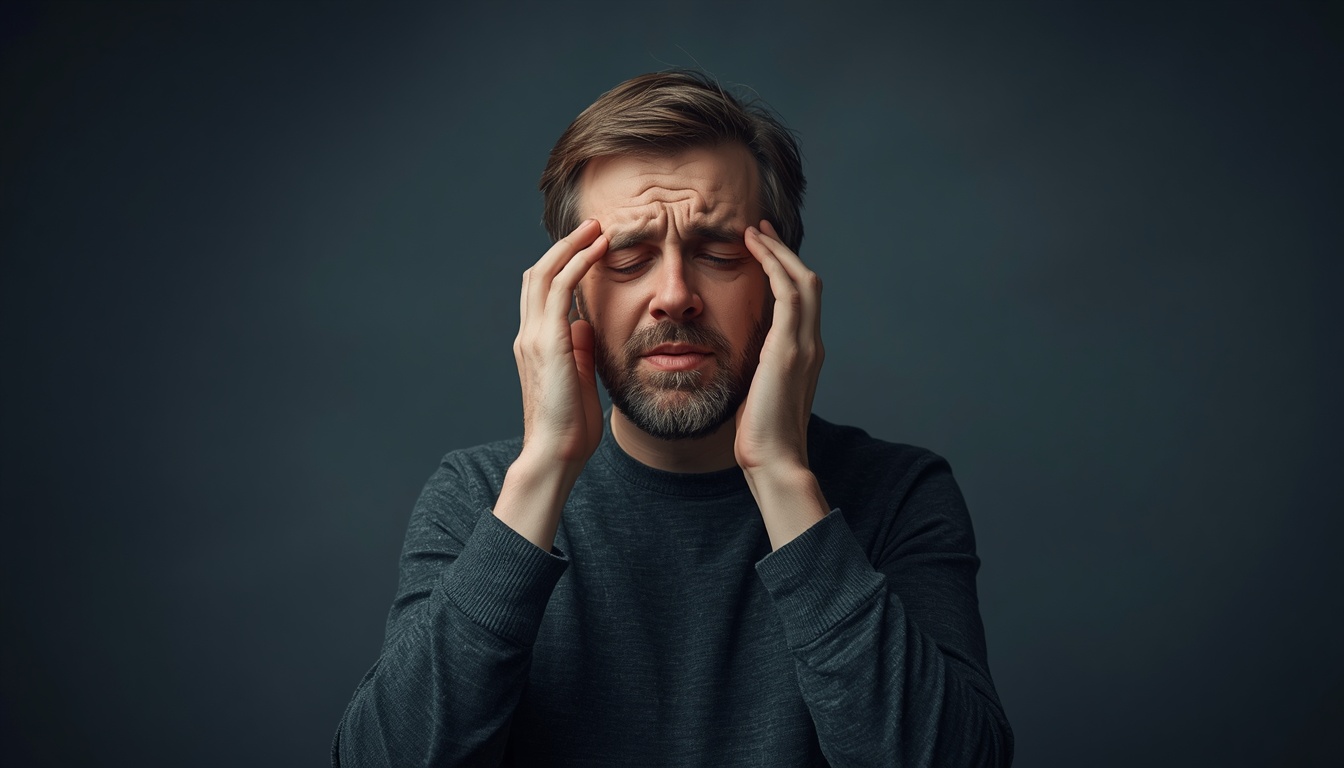
A brief wave of lightheadedness after a long hot shower is usually heat, standing, and widened skin vessels — not a sign that the shower itself is dangerous. Here is the physiology, who feels it more, and when to get checked.

You finish a long, steaming shower, push the curtain aside, and the room tilts for a second. The tiles look a little farther away. You grip the wall, wait it out, and feel fine by the time you reach the towel. That brief post-shower wooziness is common, and in otherwise healthy people it is usually a predictable mix of heat, gravity, and blood vessels doing their cooling job a little too well.
It is normal to feel mildly lightheaded after a hot shower. It is not normal for the room to keep spinning, for you to faint without warning, or for lukewarm water to knock you down. The line between a heat-and-standing reflex and a medical problem is mostly about how hard the episode hits and what else travels with it.
What the Dizzy Wave Feels Like
Most people describe a soft gray-out rather than a spinning carnival. The head feels light. Sounds may go slightly distant. Standing still on a slick floor makes the unsteadiness more obvious. Sitting on the edge of the tub or putting a hand on the wall usually settles it in seconds to a minute. Some people also notice a warm flush, a faster heartbeat, or a need to sit while drying off.
This is close cousin to the dip you can feel when you stand up too fast from a chair. Heat simply stacks another load on the same circuit. That everyday standing pattern is unpacked in why you get lightheaded when you stand up.
Heat Opens the Skin’s Radiators
Hot water and a steamy room raise skin temperature. To dump heat, arterioles in the skin widen — vasodilation. A large fraction of your blood volume can shift toward the surface and, because you are standing, toward the legs. Return of blood to the heart falls a little. Blood pressure can sag. The brain, which has almost no energy reserve, notices the dip first. Lightheadedness is that notice.
Work from heat-stress laboratories, including studies led by Craig G. Crandall on skin blood flow and orthostatic tolerance, has shown how aggressively the body can send blood to the skin in heat. That shift is useful when you need to cool. It is less convenient when you are also upright, a little dehydrated from the day, and stepping over a high tub wall.
Steam adds humidity that slows evaporative cooling, so the skin vessels may stay open longer after you shut the water off. Standing still removes the calf-muscle pump that normally helps shove blood upward — the same pump discussed in why your veins still expect the calf pump.
Why Some Showers Hit Harder Than Others
Longer and hotter showers recruit more of the skin’s vascular bed. Very hot water can raise heart rate and the amount of blood the heart ejects with each beat while simultaneously dropping peripheral resistance. For a healthy person that is a short, manageable swing. For someone already running low on fluid, salt, or sleep, the swing is larger.
Other amplifiers include:
- Standing still for the entire wash instead of shifting weight
- Coming out of a hot shower into a cool hallway (vessels then have to retune quickly)
- Skipping meals or drinking little water through a hot day
- Alcohol the night before, which already widens vessels and increases urine loss
- Medications that lower blood pressure or affect the autonomic nervous system
- Getting up quickly from a seated rinse or from shaving your legs
People with migraine, anemia, inner-ear sensitivity, or conditions that affect blood-pressure reflexes (including POTS and other forms of dysautonomia) often recognize the shower as a reliable trigger. The mechanism is still vasodilation plus gravity. The volume of the complaint is simply louder.
Hidden Triggers That Ride Along With Heat
Not every bathroom wobble is only about water temperature.
- Holding your breath or looking straight up while washing hair can briefly change inner-ear and neck input.
- Soap in the eyes or a sudden temperature blast can startle the vagus nerve and drop heart rate in a minority of people.
- A closed, poorly ventilated room can raise carbon dioxide a little and make air feel thick. Lungs that expect moving outdoor air notice stale bathrooms faster; that broader mismatch is explored in why your lungs still expect moving outdoor air.
- Low morning blood pressure if the shower is your first upright act of the day.
How to Finish a Hot Shower Without the Gray-Out
You do not have to switch to ice water. Small changes cut the dip:
- Turn the temperature down for the last 30 to 60 seconds so skin vessels begin to narrow before you step out.
- Bend and straighten your knees or shift from foot to foot while you rinse. That is a cheap calf pump.
- Sit on a stable shower stool if you already know you fade at the end.
- Open the door or run a fan so steam does not turn the room into a still sauna.
- Drink a glass of water before a long hot shower on a hot day.
- Step out slowly. Dry off sitting if the first standing second always wobbles.
If you like contrast — warm wash, cooler finish — you are also giving vessels the temperature practice they handle well in mixed climates, a theme that appears in why your circulation still expects temperature contrast.
When to Worry
Mild, brief lightheadedness that tracks with very hot water and standing, then clears when you sit or cool down, is a common reflex. Seek care promptly if you:
- Faint, hit your head, or cannot remember part of the episode
- Feel chest pain, a racing or irregular heartbeat that does not settle, trouble speaking, or weakness on one side
- Get dizzy in lukewarm water, while sitting in the tub, or many times a day outside the shower
- Notice black stools, heavy periods, or other clues you may be anemic
- Are starting or changing blood-pressure, prostate, antidepressant, or Parkinson’s medicines and the shower symptoms are new
Those patterns need a person, not a towel rack, to sort out.
Myths vs Facts
Myth: Dizziness after a hot shower means your heart is failing.
Fact: In most healthy adults it means skin vessels opened and standing pooled blood. Heart disease can cause dizziness, but it usually brings other effort- or rest-related clues.
Myth: If you can stand the heat, the shower is automatically safe.
Fact: Comfort and blood-pressure stability are not the same. Some people feel cozy right up to a gray-out.
Myth: You should never take a hot shower again after one wobble.
Fact: Shorter, slightly cooler finishes and a little movement prevent most repeats.
Myth: Only older adults get this.
Fact: Young adults can be quite heat-sensitive, especially when dehydrated or standing still.
When to See a Doctor
Book a visit if shower dizziness is new, recurrent, or paired with fainting, palpitations, or lightheadedness in grocery lines and after meals. Bring a simple log: water heat, shower length, whether you had eaten or drunk water, and how long the wave lasted. Blood pressure lying and standing, a review of medicines, and sometimes basic blood work are the usual first steps. Mention if you already know you get orthostatic symptoms in other settings.
Frequently Asked Questions
Is it normal to get dizzy after a hot shower?
Yes, a brief lightheaded wave after a long hot shower is common. Heat widens skin blood vessels, standing lets blood pool in the legs, and the brain briefly gets a smaller share. It should settle when you sit, cool off, or move your calves.
Why does it happen when I turn the water off, not during the shower?
During the shower you may be moving, and the water’s pressure and warmth feel masking. When you stop, stand still, and open the curtain into cooler air, the blood-pressure dip is easier to notice.
Does this mean I have low blood pressure?
Not by itself. It means your pressure dipped in that moment. Some people with generally low-normal pressure notice it more. Only measurements in clinic (and sometimes at home) can label a blood-pressure pattern.
Is a bath safer than a shower?
Sitting in a warm bath removes some of the standing load, so pooling is often less dramatic until you stand up to get out. Rise slowly from a bath; the combination of heat plus the first stand is a classic faint risk in vulnerable people.
Can I still take hot showers if I have POTS or migraine?
Many people in those groups are heat-sensitive. Lukewarm water, shorter showers, a stool, and a cool-down rinse are practical adjustments. Use your clinician’s advice if fainting is already part of your history.
Should I eat salt or drink extra water before every shower?
A glass of water on a hot day is reasonable. Extra salt is not a do-it-yourself prescription unless a clinician has asked you to liberalize salt for documented orthostatic symptoms.
Conclusion
A short dizzy spell after a hot shower is usually your cooling system and gravity sharing the same upright body. Researchers who study heat and skin blood flow, including Craig G. Crandall’s group, have mapped how much blood can move into the skin when we get hot — enough to make an otherwise ordinary stand feel briefly under-fueled. Cool the last minute, keep the calves working, and step out without a rush. If the room still goes dark, treat that as information for a clinician, not as a reason to panic in the steam.