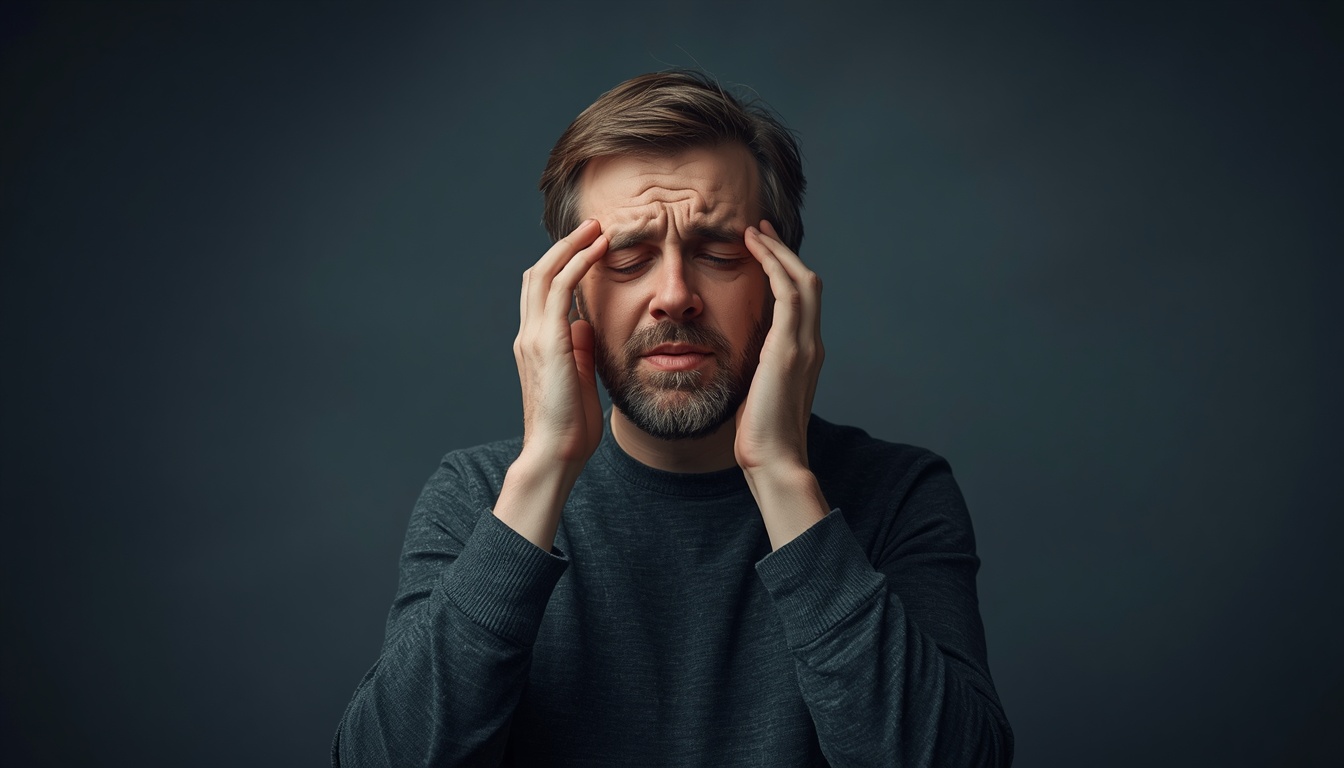

You stand up from the sofa, the desk, or the edge of the bed. For a second or two the room tilts. Vision sparkles or tunnels. Then it passes and you feel slightly foolish.
That fleeting lightheadedness is one of the most common body glitches of modern indoor life. It is usually the cardiovascular system taking a beat to catch up with gravity. Sometimes it is a hint that you are dry, too hot, newly on a medication, or standing up after a long still sit. Rarely it is a sign that blood pressure or heart rhythm needs a proper look.
What This Feeling Actually Is
When you stand, gravity pulls 300 to 800 milliliters of blood toward the legs and abdomen. Pressure at the brain drops for a moment. Sensors in the neck and heart — baroreceptors — notice. The nervous system tightens vessels and slightly raises heart rate so the brain keeps its supply.
If that reflex is a little slow, if there is less blood volume to work with, or if vessels are already wide from heat or medication, you feel it as lightheadedness, a grey-out, or a need to grab the counter. Clinicians call a documented drop in blood pressure on standing orthostatic hypotension. Many everyday episodes never get measured and still follow the same physics.
This is different from spinning vertigo, where the room rotates because the inner ear is sending a motion signal. Lightheaded on standing is more “the lights dimmed” than “the walls turned.”
Why It Happens in Ordinary Life
A long sit pools blood. Sitting still lets blood collect in the legs. The calf muscle pump that helps veins send blood upward is quiet. Standing suddenly asks a sluggish column of blood to reverse course. The same system is why veins still expect the calf pump during the day.
You may be slightly dry. Coffee, a warm office, low thirst, and a salty-then-sugary lunch can leave circulating volume on the low side. Less volume means a smaller buffer when gravity wins for a second.
Heat opens vessels. A hot shower, a packed train, a summer kitchen, or a room with no temperature contrast all widen skin vessels. Standing then is a bigger ask. Circulation that rarely practices temperature contrast can be less nimble.
Meals pull blood to the gut. A large, high-carbohydrate meal can lower standing blood pressure in some people, especially older adults. The walk your blood sugar still expects after meals also helps here.
Breathing and rushing stack on top. Standing while holding your breath, turning the head quickly, or jumping out of bed in the dark gives the nervous system several jobs at once.
Common Causes You Can Often Work With
- Dehydration or a day of mostly caffeine
- Getting up quickly after a long sit or a hot bath
- Alcohol the night before
- Skipping breakfast, then standing for a commute
- New or higher doses of blood-pressure, prostate, antidepressant, or Parkinson medicines — these can be appropriate and still lower the standing buffer
- Anemia, a recent virus, or a few poor nights of sleep
- Pregnancy, especially mid-stream, when vessels are more compliant
Teenagers and tall, thin young adults sometimes have a lively heart-rate jump on standing (a pattern discussed in postural orthostatic research). Most grow through it. It still deserves a conversation if fainting, chest pain, or daily collapse into fatigue is part of the picture.
Hidden Triggers
- Compression-free long flights, then standing in a warm jetway
- Very low-salt eating in someone who already runs low blood pressure
- Iron deficiency that has not yet been labeled “anemia” on a casual glance
- Standing up at night to use the bathroom after a heavy evening meal
- A stuffed nose that makes you breathe shallowly as you rise
- Tight clothing around the abdomen after a large lunch
Kids can get the same brief grey-out after a growth spurt, a hot sports practice, or standing still in an assembly. Teaching them to pump the calves before they stand and to sit back down if the room fades is more useful than panic.
Less Common but Serious
Lightheadedness that is only a one-second sparkle is usually benign. Get urgent help if standing or any moment of dizziness comes with:
- Chest pain, a racing or very irregular heartbeat, or breathlessness at rest
- Fainting with injury, or fainting without warning
- New slurring, facial droop, or weakness on one side
- A severe headache unlike any you have had
- Black stools, vomiting blood, or signs of heavy bleeding
- Confusion that does not clear when you sit
Repeated fainting, fainting during exercise, or a family history of sudden unexplained death is not a “drink more water” project. That is clinic territory.
When to Worry
Worry less about a brief dimming that vanishes when you stand more slowly and drink water on a hot day. Worry more when the episodes are new after a medication change, happen daily, include actual fainting, or come with chest symptoms or neurological signs.
Home blood-pressure cuffs can be useful if you measure lying down, then after one minute of standing, then after three minutes. A clear drop with symptoms is information worth bringing to a clinician. Do not chase numbers alone if you feel unwell.
Myths vs Facts
Myth: Lightheadedness on standing always means low iron.
Fact: Iron deficiency can contribute. So can heat, medicines, dehydration, deconditioning, and a slow baroreflex. Blood work is reasonable when the pattern is frequent, not automatic for every sparkle.
Myth: You should throw cold water on your face and keep going.
Fact: Sit or squat. Let the brain refill. Pushing through a grey-out is how people hit furniture.
Myth: Only older people get this.
Fact: It is more common with age because vessels and reflexes change. It is also common in dehydrated students, new parents, and anyone who stood up out of a hot bath.
Myth: Salt is always the enemy.
Fact: People with high blood pressure are often asked to moderate salt. People with documented low standing pressure sometimes need more fluid and a bit more salt under guidance. Do not self-prescribe salt loads if you have heart, kidney, or blood-pressure disease.
How to Stand Up Without the Grey-Out
Move before you rise. Point and flex the feet, squeeze the calves, or march in place while still sitting. You are pre-starting the muscle pump.
Go in two steps. Sit on the edge of the bed. Pause. Then stand and pause again before you walk. The baroreflex is fast, but it is not instant.
Drink across the day. A large bolus at 4 p.m. does not undo a dry morning. Water with meals is a simple default. Extra fluid matters more in heat, illness, and after endurance exercise.
Use the calves during the day. Brief walks, calf raises while the kettle boils, and not crossing the legs for an entire meeting keep less blood stranded in the lower body.
Cool the exit from a hot shower. Finish a little cooler and sit on the edge of the tub before you stand in a steamy room.
Review medicines if this is new. Do not stop prescribed drugs on your own. Do mention the timing of the lightheadedness. Doses taken at night versus morning sometimes change the standing story.
If you feel it coming, sit or kneel. Crossing the legs and tensing the thighs can raise pressure briefly. The goal is to keep the head from hitting anything.
When to See a Doctor
Book a visit if episodes are frequent, if you have fainted, if you are over 65 and this is new, if you recently started a blood-pressure or psychiatric medicine, or if you have heart disease, diabetes with autonomic changes, or Parkinson disease. Bring a symptom diary: time of day, heat, meals, medicines, and whether sitting fixes it in seconds.
A clinician may check lying and standing blood pressure, a heart tracing, blood count, and glucose. Most people do not need a tilt table as a first test.
FAQs
Is this the same as vertigo?
Usually no. Vertigo is a spinning illusion. Standing lightheadedness is a brief under-perfusion feeling. They can overlap if you also turn the head quickly, but they are different systems.
Can anxiety cause this?
Rapid breathing and adrenaline can make you lightheaded. So can a real blood-pressure dip. Treat both possibilities kindly: sit, slow the breath, and if it keeps happening on quiet mornings with no panic, get the standing pressure checked.
Why is it worse in the morning?
You have been horizontal for hours. Overnight breathing and a warm bedroom can leave you a little dry. Standing is the first big gravity test of the day.
Do compression socks help?
They help some people who pool in the legs, especially on long travel days or with documented orthostatic drops. They are a tool, not a requirement for a rare sparkle after a bath.
Should I stop exercising?
No. Regular walking and calf work usually improve the system. Avoid finishing a hard session and then standing still in heat. Keep moving or lie down to recover.
What about kids who “almost faint” at school assembly?
Standing locked-kneed in a hot hall is a classic setup. Teach them to shift weight, flex the calves, and sit if vision fades. Recurrent fainting still needs a pediatric visit.
Conclusion
A two-second grey-out when you stand is usually gravity plus a brief lag in a system that is otherwise doing its job. Give it water, cooler exits from heat, a calf pump that actually gets used, and a slower rise from long sits.
If the room keeps disappearing, if you hit the floor, or if the heart or the head feels wrong, treat that as information for a person who can examine you. Most people do not need alarm. They need a pause at the edge of the bed and a body that is not asked to sprint from horizontal to hallway without a warning.