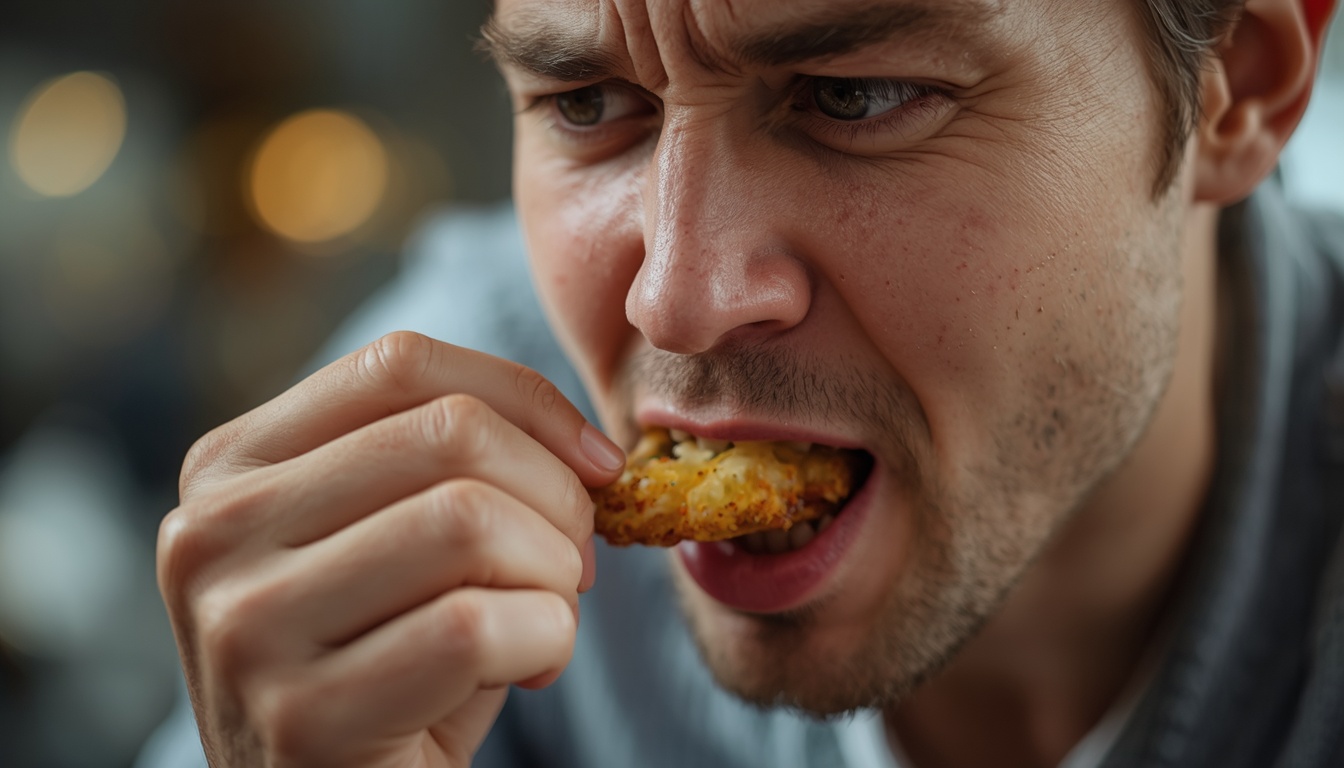
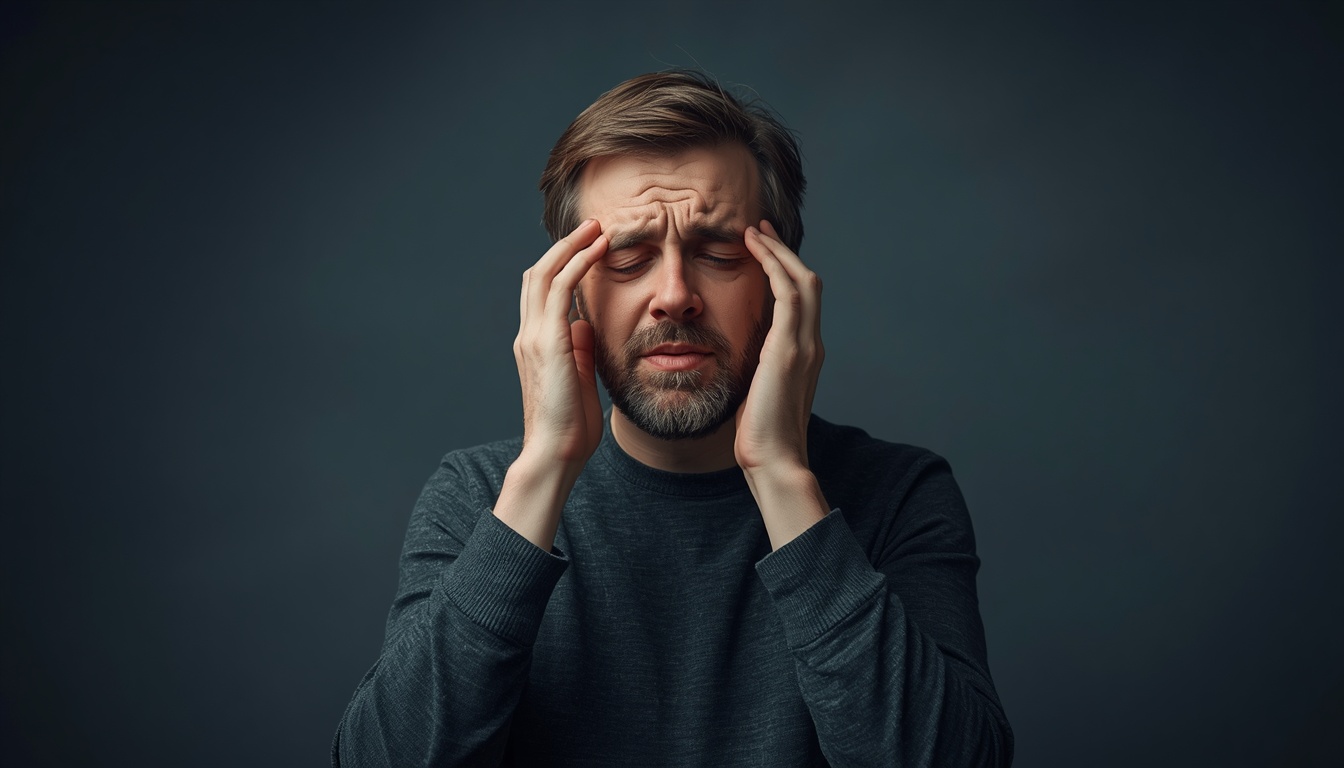
A headache after loud noise is often sound sensitivity, squinting of the ears, or a migraine threshold. Most ease in quiet, but a few patterns need a check.

You step out of a loud café, a sports bar, or a street full of traffic, and the ache arrives a few minutes later. Sometimes it starts while the noise is still going. The pain sits over the temples, behind the eyes, or as a tight band, and ordinary conversation suddenly feels too sharp. That pattern is common. A healthy auditory system was built to notice sudden sound, and a migraine-prone brain turns the volume up even more. A headache from loud noise is often a threshold problem, not a sign that the skull has been injured by decibels.
What This Symptom Feels Like
People usually describe one of three versions.
The first is a tight, pressing ache that builds during a noisy meal, an open-plan office, or a long drive with the window down. It eases within an hour or two of real quiet. The second is a migraine-style attack: one-sided or behind the eyes, with light bother, nausea, or a need to lie down, set off or worsened by sound. The third is the after-event ache, the one that shows up on the walk home from a concert, a game, or a construction-adjacent sidewalk, sometimes with muffled hearing or a soft ring.
The pain is rarely stabbing with each individual sound. It is more often a rising discomfort, as if the nervous system has stopped filtering. Ordinary clinks, voices, and traffic then land harder than they should.
Common Causes
A migraine brain that cannot turn sound down. During an attack, and sometimes between attacks, many people with migraine find ordinary noise painful. Clinic descriptions from researchers such as Richard Lipton and Stephen Silberstein treat sound sensitivity, called phonophobia, as a core sensory feature, not a personality quirk. Peter Goadsby and Rami Burstein have mapped how migraine changes gain in sensory pathways, so light, smell, and sound all arrive with the volume already high. If bright sun or strong perfume also sets you off, noise is often using the same doorway. A related pattern is covered in why bright sunlight can start a headache.
Tension in the muscles that brace against noise. Loud, unpredictable sound triggers a startle brace. The jaw clenches, the upper trapezius lifts, and the muscles around the temples stay on. César Fernández-de-las-Peñas and colleagues have shown that neck and scalp muscle tenderness is common in tension-type headache, and noise is a frequent aggravating factor in that headache type. You do not need a migraine diagnosis for a band-like ache after an hour of overhead announcements.
A brief overload of the ear itself. Very loud sound stresses the hair cells of the cochlea and the auditory nerve. Sharon Kujawa and Charles Liberman described how a loud exposure can injure synapses even when a standard hearing test later looks normal. The headache in that setting often travels with dull hearing or ringing that fades over hours. If the ring is the main event, the concert article on ears ringing after a concert is the closer match.
Ordinary life stacked on top of the noise. Poor sleep, a skipped meal, dehydration, a long screen day, and a tight neck all lower the threshold. The noise is the last straw, not the only straw.
Why This Happens
Hearing is a warning system. Sudden sound once meant a branch, a predator, or a shout from the group. The brainstem route that notices it is fast, and it shares wiring with muscles of the neck and face. In a quiet ancestral setting that reflex fired rarely. In a city, a restaurant, or a sports venue it can stay half-on for hours.
Mathias Basner and Stephen Stansfeld, reviewing environmental noise and health, have described how repeated unwanted sound raises stress load even when it is not loud enough to damage hearing. Wolfgang Babisch linked chronic traffic noise with vascular strain. A one-off headache is not heart disease, but it shows the same idea at short range: the body does not treat noise as neutral background.
Inside a migraine attack the filter fails more dramatically. Thalamic and brainstem circuits that should dampen sensory input become less selective. A conversation at the next table, which a non-migraine brain files as irrelevant, is tagged as salient. The ache is the cost of that tagging, plus the muscle brace and the rising pulse that often come with it.
There is also a simple mechanical piece. People in loud rooms lean forward, raise the voice, and hold the breath between sentences. That combination loads the neck and the jaw. The headache can be as much postural as acoustic.
Less Common but Serious Causes
Most noise-linked headaches are benign. A few patterns are not.
A sudden, severe headache that peaks in seconds, sometimes called thunderclap, needs emergency care whether or not noise was present. Noise does not cause a subarachnoid hemorrhage, but a loud room is a common place to notice a catastrophic headache, and the setting should not delay help.
New hyperacusis, where everyday sounds feel painfully loud, plus one-sided hearing loss, spinning vertigo, or a persistent ring, deserves an ear and neurology review. Richard Tyler’s work on hyperacusis separates uncomfortable loudness from ordinary annoyance. A new one-sided version is not something to wait out for weeks.
Headache with fever, a stiff neck, confusion, a new rash, weakness, trouble speaking, or fainting is not a noise headache.
A headache that appears only with cough, strain, or bending, and is merely worse in noise, belongs in a different category. That pattern is discussed in headache when you cough.
Persistent ringing after the ache fades can be a temporary threshold shift. If the ring or the muffled hearing is still there the next day, have the ears checked rather than assuming it will sort itself out.
Hidden Triggers
Open offices and restaurants are louder than people think. Hard surfaces bounce sound, so you raise your voice, which makes the room louder still. That loop, sometimes called the café effect, is a reliable headache setup.
Earbuds at high volume in a noisy commute do the same job at closer range. The ache may be blamed on the train when the driver was the volume button.
Jaw clenching is easy to miss. If the temples hurt and the masseter is sore the next morning, noise may have been the cue and bruxism the mechanism.
Alcohol, bright lights, and poor ventilation travel with loud venues. A “noise headache” after a late game can be part dehydration, part sleep loss, part sound.
Caffeine withdrawal on a loud morning amplifies both the ache and the startle. So does a neck that has been flexed over a phone all day.
Some medications and migraine preventives change sound tolerance. If a new drug and a new noise headache arrived together, that timing is worth telling a clinician.
When to Worry
Seek urgent care for a headache that is the worst of your life, peaks in seconds, comes with fainting, confusion, weakness, vision loss, trouble speaking, fever, or a stiff neck.
Book a prompt visit if sound sensitivity is new and one-sided, if hearing drops, if vertigo keeps returning, if the ring lasts more than a day, or if headaches are becoming weekly and are stealing work or sleep.
A familiar band of pain that starts in noise and fades in quiet, with no red flags, can usually be managed at home first.
Myths vs Facts
Myth: A headache from noise means your hearing is already damaged.
Fact: Many of these headaches are migraine gain or muscle brace, with normal hearing. Very loud exposure can still injure the ear, so muffled hearing or a lasting ring should not be ignored.
Myth: Only concerts are loud enough to matter.
Fact: Restaurants, school gyms, sports crowds, and open offices often sit in a range that triggers headache without reaching a classic damage threshold. Damage risk and headache risk are related, not identical.
Myth: If you can tolerate the noise, you should push through.
Fact: Staying in the trigger usually lengthens the attack. Leaving for quiet is treatment, not fragility.
Myth: Earplugs are only for workers.
Fact: Well-fitted plugs or over-ear protection at games, venues, and loud tools reduce both the ache and the next-day ring. They do not mean you are overreacting.
How to Manage It
Step into real quiet as soon as the ache starts. A hallway, a car with the engine off, or a room with the door closed works better than “slightly less loud.” Dim light helps if sun or screens are also bothersome.
Give the neck and jaw a short reset. Drop the shoulders, unclench the teeth, and rest the tongue on the floor of the mouth. A warm cloth on the temples or the upper neck eases the brace for a lot of people. Skip aggressive neck cracking.
Drink water and eat something plain if the last meal was hours ago. Noise headaches ride along with low fuel more often than people expect.
For a known migraine pattern, use the plan you already have with your clinician early, rather than after the pain is severe. Ordinary pain relievers can help an occasional tension-type ache. Using them most days can create a rebound headache, so frequency matters.
Protect the next exposure. Sit farther from speakers. Take listening breaks. Keep personal audio at a level where you can still hear a nearby voice. At predictably loud events, wear plugs from the start, not after the ache begins. NIOSH has long used 85 decibels over an eight-hour day as a workplace benchmark for hearing risk. Headache can start below that, so comfort is a valid reason to turn something down.
If traffic or a neighbor is the nightly trigger, a consistent wind-down, a softer room, and earlier dinner often lower the threshold more than another pain tablet.
When to See a Doctor
See a clinician if noise headaches are new, clustering, paired with hearing change, or not explained by a clear loud setting. Primary care can sort migraine, tension-type headache, jaw clench, and ear disease, and can refer to neurology or audiology when the story is one-sided or persistent.
Mention work exposures. A pattern tied to tools, venues, or machinery is both a health issue and a hearing-protection issue.
Children who cover their ears and then develop headaches deserve the same respect as adults. Sound sensitivity in a child can be migraine, an ear problem, or simple overload. It is not something to scold away.
FAQs
Is a headache from loud noise a type of migraine?
Sometimes. If sound brings one-sided pain, nausea, and light sensitivity, migraine is likely. A tight band that fades in quiet is often tension-type. The same person can have both.
How long should it last?
A simple noise ache often eases within one to two hours of quiet. A migraine can last longer. Pain that is sudden and maximal, or that comes with neurological symptoms, should not be timed at home.
Can earbuds cause this even at “normal” volume?
Yes. In-ear sound is close to the eardrum, and people underestimate level in a noisy place. If headaches track commute listening, lower the volume and shorten the sessions before assuming a new illness.
Why do I also hear ringing?
Loud exposure can leave a temporary ring as the cochlea recovers. A faint ring in a quiet room is also common and is covered in ringing that shows up in a quiet room. A new, one-sided, or next-day ring needs an ear check.
Does noise headache mean I should avoid all loud places?
No. It means you should budget them. Distance, breaks, plugs, and a quiet exit plan let most people keep games, music, and busy restaurants without paying for them the next morning.
Conclusion
A headache from loud noise is usually the auditory system and the headache system doing what they were built to do: flag intense sound and brace the head and neck. Migraine turns that flag up. Muscle tension and a long day keep it raised. Quiet, a softer jaw, water, and earlier protection solve most episodes. Sudden severe pain, hearing loss, or a ring that will not leave are the signals to stop experimenting and get checked.