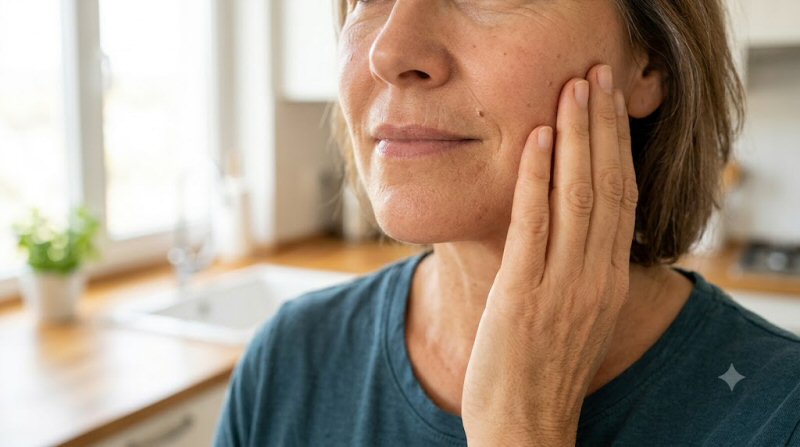
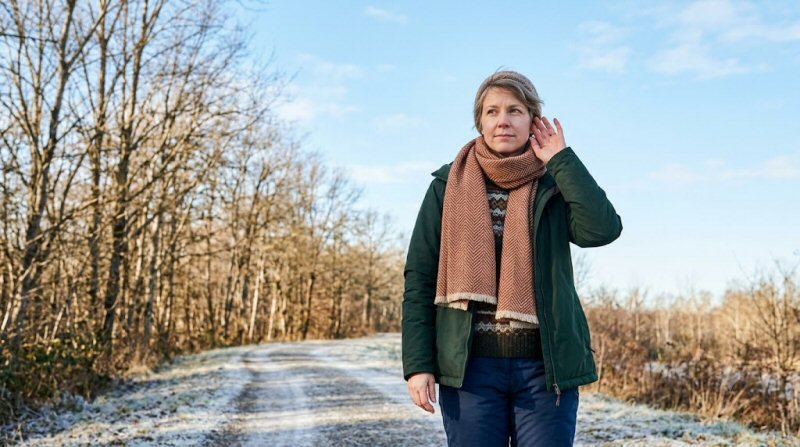
A headache in bright sun is often glare, squinting, or a light-sensitive migraine pathway. Most ease in shade, but a few patterns need a prompt check.

You step out of a dim shop into full sun and the forehead tightens within a minute. Sometimes it is only a squint and a dull band. Sometimes the light feels sharp, one side of the head starts to throb, and the only useful plan is shade and a pair of dark lenses. The sky has not changed. Your eyes and the pain system have.
That reaction is common, especially in people who already get migraines, spend long days under indoor lighting, or walk into glare with dry eyes and no hat. It is not proof that sunlight is dangerous, and it is not the same reflex that makes some people sneeze when they look at the sun. In most cases it is a mix of muscle effort, a sensitive visual pathway, and a few stacked triggers. A smaller set of patterns — sudden vision loss, a red painful eye, or a headache that is instantly maximal — needs a different response.
What This Sensation Feels Like
People describe a few familiar versions.
The first is a tight, frontal ache that starts while you are squinting across a bright parking lot, a beach, or snow, and eases within half an hour of shade or a brim. The second is a one-sided, pulsing headache that arrives during or after strong light, sometimes with nausea, a wish to close the curtains, or pain that spreads from behind one eye. The third is a gritty, watery glare headache after a day of screens, when outdoor brightness feels harsher than it used to.
You can often change the first kind. A hat, turning away from the reflective surface, and a few minutes indoors soften it. The second kind may outlast the sun, because the attack has already started. Pain that is sudden and maximal, paired with a drooping lid, a fixed enlarged pupil, confusion, weakness, fever, or a stiff neck, is not an ordinary glare story.
What it usually is not: a sunburn of the brain. Light does not have to heat the skull to start this ache. The signal begins in the eye and in the muscles around it.
Common Causes
Several ordinary mechanisms overlap. You do not need all of them.
Squinting and brow tension. Bright glare makes the eyelids narrow and the corrugator and frontalis muscles hold a frown. That sustained effort can produce a band-like ache across the forehead, similar to other external-load headaches. Kathleen Digre’s clinical work on photophobia has long noted that light intolerance is not only an eye problem. The face joins in.
A migraine-prone light pathway. In migraine, ordinary light can hurt even between attacks. Rami Burstein and Rodrigo Noseda showed that a set of retinal cells — intrinsically photosensitive ganglion cells that use the pigment melanopsin — send signals into the posterior thalamus, where they meet neurons that also receive pain input from the dura. That convergence helps explain why light makes an existing headache worse, and why some people who cannot form images still find light painful if those cells are intact. Later work from the same group found that different colors are not equal. Blue-green light was more likely to intensify pain, while a narrow band of green was sometimes less provocative.
Glare, contrast, and uncorrected vision. Sun on water, snow, pale concrete, or a windshield creates high contrast. A small refractive error, an outdated prescription, or early cataract scatter makes that contrast harder to tolerate. The ache is then part eye strain, part brow tension.
Dry eyes after indoor days. Incomplete blinking at a screen thins the tear film. A compromised surface scatters light, so the same noon sky feels abrasive. That is one reason a sunlight headache and a screen-day headache often travel together. The outdoor step is simply where the scatter becomes obvious.
Stacked triggers. Skipped meals, dehydration, poor sleep, alcohol the night before, and a sudden move from a dark office into noon all lower the threshold. Sunlight gets the blame because it is the last event you noticed.
Heat and effort beside the light. A long walk in sun can add scalp vessel dilation, sweat loss, and exertion. That is a cousin of exercise headache, not a pure light reflex. Shade plus fluid often separates the two.
Why Bright Light Can Start Pain
The eye is built to report brightness, not only pictures. Melanopsin cells keep firing in sustained light and help set pupil size and circadian timing. The same stream can reach pain-related thalamic neurons. In a nervous system already near a migraine threshold, that extra input is enough to flip the switch.
Andrew Charles and Peter Goadsby have described migraine as a disorder of sensory gain. Light, smell, motion, and sound are turned up together. Sunlight is simply the strongest everyday visual input most people meet. Indoor offices sit far below outdoor noon. Stepping outside is a sudden jump in luminance, not a small one. Pupils that have spent the day dilated for dim rooms need time to settle, which is part of why the first minutes outdoors feel harsh. That mismatch is covered more fully in the piece on why your pupils still expect outdoor light.
A separate, harmless reflex shares the same bright trigger. The photic sneeze, sometimes called ACHOO, is an inherited cross-talk in the trigeminal system. It makes some people sneeze in sun and does not by itself cause a headache. The two can occur in the same person. They are explained in is it normal to sneeze in bright sunlight.
Muscle pain has a simpler route. Sustained squinting loads the scalp and brow the way a tight hat or a ponytail can. When the light ends and the frown releases, that component fades quickly. A migraine component does not.
Less Common but Serious Causes
Most sunlight headaches are benign. A few are not, and the difference is usually the company the pain keeps.
Acute angle-closure glaucoma. A sudden rise in eye pressure can be triggered by dilation in dim light, but people also notice halos, a red eye, severe pain, and nausea in bright conditions when the cornea is already swollen. This is an emergency, not a glare problem.
Optic nerve and inflammatory eye disease. Pain with eye movement, washed-out color vision, or a new blind spot needs same-day eye or neurology care. Light sensitivity can be part of uveitis or optic neuritis.
Meningitis and other sudden neurologic illness. Fever, neck stiffness, rash, confusion, or the worst headache of your life is not explained by a sunny sidewalk.
Secondary cough or exertion patterns. A headache that appears only with strain, peaks in seconds, and keeps returning should be assessed even if sun was also present. Sunlight is a common bystander.
Medication and withdrawal. Some drugs increase light sensitivity. A missed morning coffee can add its own headache that you notice only when you go outside.
New headache after age 50, a change in pattern, pain that wakes you from sleep, or neurologic symptoms between attacks deserve a clinician, even if sun seems to be the trigger.
Hidden Triggers
A few amplifiers hide inside an ordinary day.
Indoor lighting all morning, then a glass-door exit at noon. Reflective surfaces: snow, water, pale sand, wet roads. Missing sunglasses, or very dark fashion lenses that make you squint harder once you take them off. Dry cabin or office air before the walk. A large unshaded screen in the hour before you leave, which is the same incomplete-blink problem described in dry eyes after screen time. Alcohol, poor sleep, or a skipped lunch. Strong fragrance in the same outing, which can stack with light in a migraine-prone brain. A tight hat or headband that you only notice once the sun ache starts.
Barometric change can ride along with a bright day after a front. If the ache tracks storms more than glare, the weather article is the closer match. If it tracks a specific perfume, the smell pathway is doing more of the work.
When to Worry
Seek urgent care if a sunlight-associated headache comes with any of the following:
- Sudden, maximal pain, or a first-ever thunderclap feeling
- A red eye, halos, a mid-dilated pupil, or sharply reduced vision
- New weakness, trouble speaking, double vision, collapse, or confusion
- Fever, stiff neck, or a rash
- Pain and vision loss after an eye injury or chemical exposure
- Headache in pregnancy with visual change, swelling, or high blood pressure symptoms
Book a routine visit if outdoor light regularly triggers a one-sided headache with nausea, if you need darker rooms most days, if over-the-counter pain medicine is becoming frequent, or if the pattern changed after a new medicine, a concussion, or a shift in vision. Mention how fast the pain starts and whether shade actually helps. That detail separates glare strain from a light-triggered migraine.
Myths vs Facts
Myth: Sunlight headache means you are dehydrated, full stop.
Fact: Fluid loss can lower the threshold, but glare and a melanopsin-linked pain pathway can start an ache in a well-hydrated person. Drink if you are thirsty. Do not expect water alone to fix a squint in snow glare.
Myth: Darker sunglasses are always better.
Fact: Very dark lenses can increase discomfort when you go back indoors, and poor optical quality adds blur. A hat brim plus polarized lenses for reflective surfaces is often more useful than the darkest pair in the drawer. Digre and other photophobia clinicians generally favor comfortable, consistent tint over maximal darkness for daily use.
Myth: If light hurts, you should avoid the sun entirely.
Fact: Total avoidance can increase sensitivity over time. Short, planned outdoor light, with a brim, is different from forcing yourself through a full attack. Pupils and circadian timing still expect real daylight.
Myth: This is the same as a sinus infection because the pain is in the forehead.
Fact: Forehead pressure from squinting or migraine is common without any sinus disease. Fever, thick one-sided nasal discharge, and facial pain lasting many days point elsewhere.
Myth: A sunlight headache is always a migraine.
Fact: Brief ache that ends when you stop squinting is often muscular and optical. Migraine is the better label when light triggers nausea, one-sided throb, and a need to withdraw, and when ordinary indoor light hurts too.
How to Manage It
Practical steps work better before the ache is fully underway.
Use a brim or cap so the upper field is shaded. Face away from water, snow, and glass when you can. Polarized lenses help on reflective days. If you wear prescription glasses, keep the correction current. A short pause in shade is treatment, not weakness.
Blink on purpose in the minutes before you go out, especially after screens. A simple lubricating drop can reduce scatter if your eyes feel gritty. Do not share bottles, and skip drops that promise to “get the red out” for regular use.
Eat and drink on your usual schedule before a long outdoor stretch. If you know you are migraine-prone, treat early with the plan you already use, rather than waiting until the walk home. Limit acute pain medicine to avoid rebound headache. A cool cloth on the forehead in a dim room helps some people once the attack has started. Green-biased light is an experimental comfort finding from Noseda and Burstein’s color work, not a cure, and it is not a reason to stare at a bright screen.
Build a little outdoor light into ordinary days so noon is less of a shock. That is exposure with protection, not sunbathing through an attack.
When to See a Doctor
See a clinician if headaches are new, worsening, or tied to vision change. An eye exam can catch angle closure, inflammation, dry eye, or a prescription problem that glare is exposing. A primary care or neurology visit is reasonable when light sensitivity is part of a broader migraine pattern and self-care is not enough. Bring a short note of timing, one-sided or both, nausea, and what shade does. Imaging is not automatic for a typical glare ache. It is considered when the history has red flags.
FAQs
Why does sunlight hurt more after a day indoors?
Your pupils and visual system have been set for dimmer light, and screen time often leaves the tear film uneven. The jump to outdoor luminance is large. A brim and a minute of shade at the door reduce the shock.
Can sunglasses stop a migraine that sun usually triggers?
They can lower the trigger and ease glare strain. They do not erase a migraine pathway. Consistent use on bright days, plus sleep and meal timing, helps more than putting on dark lenses after the pain has peaked.
Is a headache on the beach a sign of heat illness?
Not by itself. Heat illness tends to add confusion, a very fast pulse, stopping sweating in extreme cases, or feeling profoundly unwell. A glare ache that eases in shade is a different pattern. If you are confused or vomiting in the heat, get help.
Why do only some colors of light bother me?
Melanopsin cells and migraine thalamic neurons are not equally sensitive to every wavelength. Burstein and Noseda’s work found blue light more painful for many migraine patients, with a narrow green band sometimes better tolerated. Individual responses vary.
Should I worry if I also sneeze in the sun?
No. Photic sneezing is a separate trigeminal reflex. It can share a trigger with a glare headache without meaning the headache is dangerous.
When is an outdoor headache an emergency?
If pain is sudden and worst-ever, if an eye is red and vision drops, or if you have weakness, trouble speaking, fever, or neck stiffness. Those are not wait-until-evening problems.
Conclusion
A headache in bright sunlight is usually your brow working overtime, a light-sensitive pain pathway doing what it evolved to do, or both. Shade, a brim, decent lenses, and a less abrupt jump from indoor dimness solve a large share of ordinary episodes. Migraine-prone brains may need a broader plan, because the same cells that report noon also talk to headache circuits. What should not be shrugged off is new vision loss, a painful red eye, or a thunderclap pain that only happened to occur outside. Light is a trigger worth respecting. It is rarely the whole diagnosis.