A chill after exercise is usually wet skin, open skin vessels, and a sudden drop in heat production, not a failed workout or a hidden fever.

You finish the loop, the hill, or the last set, and the warmth that carried you through it vanishes. Arms fold in. A damp shirt feels suddenly icy. Teeth may even chatter in air that did not feel cold ten minutes ago. It can seem backward. Exercise is supposed to heat you up. A post-workout chill is usually the cooling system still running after the furnace has been turned down.
What This Chill Feels Like
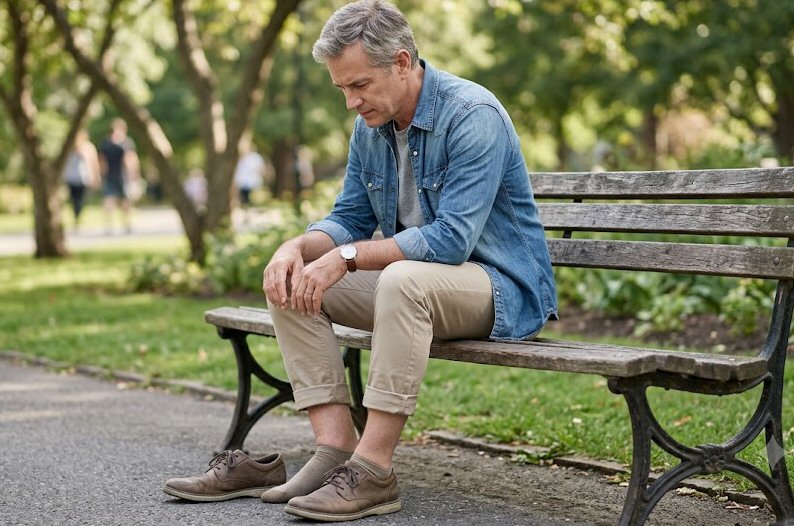
The usual version starts within a few minutes of stopping. Skin that was flushed goes clammy. Forearms, hands, and the back of the neck feel cool first. A light breeze that was welcome mid-walk now cuts through a wet layer. Some people shiver in short bursts. Others just want a dry layer and do not truly shiver.
It is often worse outdoors in wind, in an air-conditioned gym after a sweaty session, or if you peel a jacket off and stand still. It tends to ease once you are dry, covered, and walking slowly again. A chill that arrives with confusion, chest pain, or a fever you did not have before the workout is a different story, covered below.
Why Stopping Makes You Colder
Working muscle is a heater. During a brisk walk or a run, heat production can rise several-fold. Skin blood flow climbs so that heat can leave through the surface. Physiologists John M. Johnson, Loring B. Rowell, and W. Larry Kenney mapped that rise: active vasodilation opens skin vessels, and sweating adds evaporative cooling. While you are moving, metabolic heat and cooling stay roughly matched. You feel warm, sometimes hot, and that is the point.
The mismatch starts when you stop. Heat production falls within a minute or two. Skin vessels do not snap shut at the same speed, and sweat already on the skin keeps evaporating. Evaporation pulls heat even when you no longer need to dump it. Nisha Charkoudian’s work on skin blood-flow control describes the same lag: the vessels that were recruited to cool you stay relatively open while internal heat production drops. The result is a skin temperature that feels cold, even if core temperature is still a little high.
A related idea from cold-water research helps explain the shiver. Gordon Giesbrecht and Frank Golden described afterdrop: core temperature can keep falling after you leave cold water because cool blood from the limbs returns inward and surface cooling continues. An ordinary workout is not immersion hypothermia. The everyday version is milder, but the timing is similar. Cooling outlasts the effort.
Sweat, Wind, and a Wet Shirt
Sweat only cools you well when it evaporates. A soaked shirt holds water against the skin and, in a breeze, acts like a wet cloth on a bottle. George Havenith and Ethan R. Nadel have both stressed that clothing and air movement decide how fast that heat leaves. A synthetic layer that stays damp, a cotton shirt that stays wetter, and a wind across a hill path all amplify the chill.
This is why the same workout feels fine on a still warm day and miserable the moment you stop on a windy corner. It is also why a gym that felt stuffy can feel freezing the second the fan hits wet skin. The air temperature did not change. The cooling rate did.
If you already run cold in ordinary rooms, the same stop can feel sharper. A quiet calf pump and cooler hands are covered in why circulation still expects temperature contrast. The post-workout version is that system plus a wet surface.
The Circulation Shift After You Stop
There is a second, quieter reason hands and feet feel icy. John R. Halliwill and colleagues described post-exercise hypotension: after moderate aerobic work, blood pressure often sits a little lower for a while because muscle vessels stay relaxed and the baroreflex is reset. Skin and muscle are still asking for blood. Less of it may reach the fingers. You can feel warm in the trunk and cold in the hands at the same time.
Facial flushing during the effort is the other side of the same skin-flow story, discussed in why a red face during exercise is common. When the effort ends, that flush can fade into pallor and a clammy feel. Neither look, by itself, means the session was too hard.
Shivering, if it comes, is a normal defense. Brief bursts raise heat production. A fuller account of shivering that is not a true fever is in why you can shiver when you do not feel cold. After a workout the trigger is often cold skin and evaporation, not a dropped thermostat from illness.
Hidden Triggers
A few ordinary details make the chill louder.
Stopping dead. Heat production crashes, but sweat and skin flow do not. A slow walk while you cool is kinder than a full stop in the wind.
A wet layer left on. The shirt that helped you mid-run becomes a cooling pad at the curb.
Wind and air conditioning. Moving air speeds evaporation. A doorway between a warm studio and a cold street does the same.
Low fuel or a long gap since eating. You can still cool from the surface, and a dip in blood sugar can add trembling that feels like a chill.
Dehydration. Less volume makes post-exercise lightheadedness and cold hands more likely. It does not create the chill by itself.
A hard session in cool weather. Michael N. Sawka and John W. Castellani have noted that exercise in the cold still drives sweat under a jacket. When you unzip and stop, that hidden moisture flashes into a chill.
An evening workout. Core temperature is already on its nightly way down. Stopping into cooler night air stacks the two effects.
When to Worry
Most post-workout chills fade within 10 to 30 minutes of drying off, adding a layer, and moving gently. Get checked sooner if the chill comes with any of these:
- Confusion, slurred speech, or clumsiness after outdoor cold exposure
- Chest pain, fainting, or a heartbeat that will not settle
- Shivering with a measured fever, a new cough, or feeling ill before you started
- A chill that returns for days after ordinary easy walks
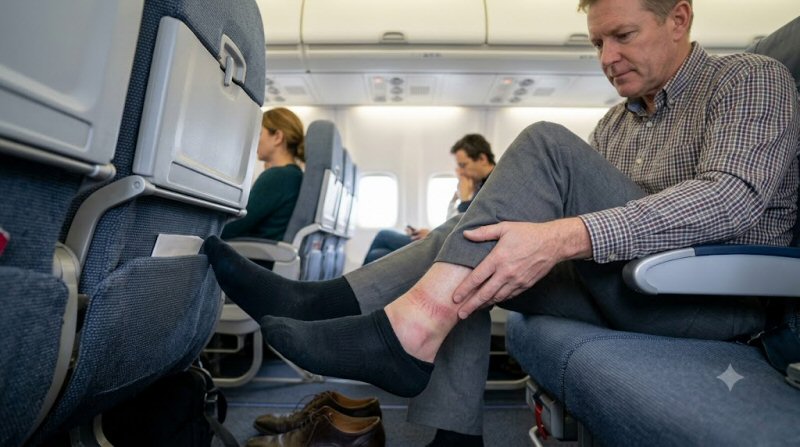
- One arm or leg that stays cold, pale, or painful, rather than both hands feeling cool
- Severe headache, stiff neck, or a rash with the shakes
Outdoor afterdrop after a long cold soak, a winter race, or a fall into water is not the same as a sweaty walk home. Rewarm gradually, get dry, and seek help if thinking is foggy.
Myths vs Facts
Myth: A chill means you overtrained. Fact: It usually means cooling outlasted heat production. Easy sessions do it too if you stop wet and still.
Myth: You should never cool down. Fact: A few minutes of easy walking keeps a little heat coming while sweat dries. An abrupt stop in wind is the harsher option.
Myth: Shivering after exercise means a fever is starting. Fact: Fever raises the set point and usually brings other illness signs. Post-workout shivering tracks wet skin and a breeze.
Myth: Only thin people get this. Fact: Anyone with wet skin in moving air can feel it. Body size changes how fast core temperature moves, not whether evaporation cools the surface.
Myth: A hot shower is always the fix. Fact: A very hot shower on already wide-open vessels can make you lightheaded. Lukewarm water and a dry layer are steadier.
How to Warm Back Up
Keep a short easy walk in the plan. Two to five minutes of slower movement lets heat production fall more gradually.
Swap the wet layer. A dry shirt from a bag does more than standing in the one you finished in. A light wind shell helps if the air is moving.
Cover the neck and hands first. Those areas lose heat quickly and signal “cold” to the brain even when the trunk is fine.
Drink something you already tolerate. Fluid helps the post-exercise pressure dip. It will not erase evaporative cooling by itself.
Step out of the direct blast. A lobby, a bus shelter, or the lee side of a building buys time while you change layers.
If you shiver, let it happen under a dry layer rather than fighting it in a wet one. Shivering is heat. Wind on wet skin is the opposite.
Skip the ice bath if you already feel cold, unless a clinician has a specific reason for it. The goal after an ordinary workout is a stable, dry cool-down, not a further drop.
When to See a Doctor
Mention it if chills after easy effort are new, if you also get marked dizziness, fainting, chest pain, or unexplained weight change, or if you cannot warm up after routine indoor sessions. Thyroid disease, anemia, infection, and some heart-rhythm problems can include cold feelings, but they rarely look like a five-minute chill that ends once the shirt is dry. Bring the pattern: how long it lasts, whether you were wet, and what else you feel.
FAQs
Is shivering after a run dangerous? Brief shivering in a wet shirt and a breeze is common and usually settles once you are dry and covered. Shivering with confusion after real cold exposure needs help.
Why do I feel colder after the workout than before it? Before you started, skin vessels were narrower and the shirt was dry. Afterward, vessels are still relatively open and sweat is evaporating, so heat leaves faster than you are making it.
Does this mean my circulation is poor? Not by itself. Open skin vessels and a small post-exercise drop in pressure are normal. Cold hands that are painful, one-sided, or present all day are a separate question.
Should I stretch while I feel cold? A few easy moves are fine. Long holds in a wet layer and wind tend to make the chill louder. Dry off first if you can.
Can a cool-down prevent it? Often enough to matter. Easy walking, a dry layer, and getting out of the wind shorten the mismatch. They do not erase sweat that is already on the skin.
Why is it worse in an air-conditioned gym? Moving cool air speeds evaporation from wet skin at the exact moment heat production falls. The room can feel fine while you are working and icy the moment you stop.
Conclusion
A chill after a workout is usually timing, not failure. Heat production drops fast. Skin blood flow and sweat do not. Wind and a wet shirt finish the job. Dry off, cover up, and keep a little movement in the first minutes. The warmth comes back once cooling and effort match again. A chill with confusion, chest pain, fainting, or a true fever is the pattern that should not be walked off.