A hot red flush in the hands after cold air is usually rewarming blood flow, not frostbite. The burn fades in minutes unless a white phase or sores came first.
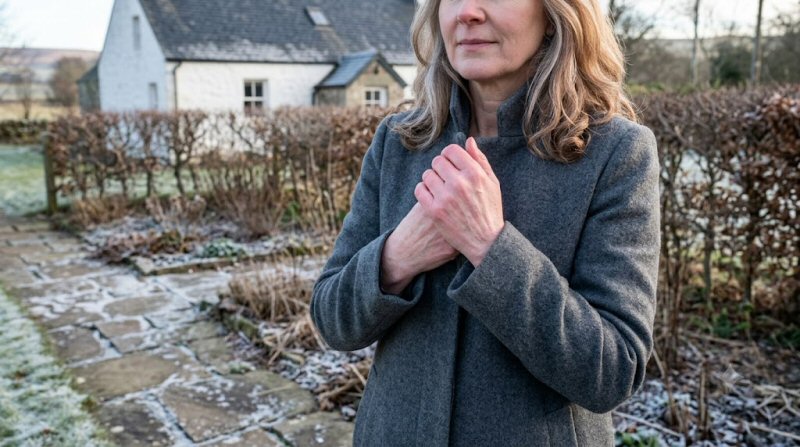
You step inside, drop the bags, and your fingers announce themselves. They look pinker than the rest of you, sometimes frankly red, and they sting or burn for a few minutes as if you had held them too close to a heater. The feeling is annoying enough that people wonder whether they froze something without noticing.
Most of the time they did not. A short burn-and-flush after ordinary cold air is the hand circulation turning back on. The same vessels that shut down to save heat open wide once the air is warm, and the surge feels hotter than the room.
What This Feeling Is Like
The sequence is familiar if you walk a dog, scrape a windshield, or carry groceries without gloves. Outside, the fingers feel stiff, pale, or simply numb at the tips. Indoors, color returns from the palm outward or all at once. Skin may look mottled, then evenly pink or red. There is tingling, a deep ache, or a surface burn. Knuckles can throb. The feeling usually peaks within a few minutes and fades as the hands match room temperature.
It is stronger if the hands were wet, if the wind was up, or if you came from a very cold car into a hot kitchen. It is milder if you wore gloves and the indoor air is only slightly warmer than outside. A brief red phase after a clearly white phase is a different story, covered below.
Why Cold Hands Flush on the Way Back In
Fingertips are built to trade heat fast. They are packed with arteriovenous anastomoses, small shortcuts between artery and vein that can open or close without waiting on the capillary bed. In cold, sympathetic nerves tighten those shortcuts and the digital arteries. Sir Thomas Lewis mapped this in the 1920s and 1930s: blood flow in the fingers falls, skin temperature drops, and heat loss slows. Work by R. T. Grant, A. D. M. Greenfield, and later John T. Shepherd showed how much of hand blood flow is this shunt flow, not nutrition of the skin itself.
Cold also changes the receptors on the vessel wall. Research from Nicholas Flavahan and colleagues showed that cooling moves extra α2C-adrenergic receptors to the surface of the smooth muscle, so the same nerve signal clamps harder. That is useful on a winter path. It is also why “my hands are fine until the wind hits” is such a common line.
Rewarming reverses the clamp. As skin temperature rises, sympathetic tone eases, the extra cold receptors recede, and flow often overshoots the baseline. That reactive flush is what you see in the mirror by the door. Nerve endings that were quiet in the cold start firing again as they warm, which the brain reads as burn, pins, or itch even though the skin is not injured. Hein Daanen’s reviews of cold-induced vasodilation, and cold-hand studies by Stephen Cheung, describe the same swing: constriction, then a flush that can feel worse than the cold that caused it.
Lewis also described the “hunting reaction.” If a finger stays in cold water, flow does not stay shut. Every few minutes the vessels open briefly, skin temperature jumps, then they close again. The oscillation protects tissue. When you finally come indoors, you are sometimes catching the open phase of that cycle plus ordinary rewarming, which is why the burn can feel out of proportion to a ten-minute errand.
This is the same circulation that still expects outdoor temperature contrast rather than all-day indoor air. A deeper look at that mismatch is in why your circulation still expects temperature contrast.
Ordinary Flush Versus a White Phase
A plain rewarming flush starts from cool or mildly pale skin and turns pink or red without a corpse-white stage. It is both hands, or the hand that was more exposed. It settles.
Raynaud’s phenomenon is the exaggerated version. Fingers turn white, then often blue, then red and burning as flow returns. The white phase is the clue, not the red one. Maurice Raynaud described the color sequence in the nineteenth century; Lewis later separated the local vessel response from a pure nerve story. A short red burn after a clear white episode is the reperfusion stage of that shutdown, and it is worth mentioning to a clinician if it is new, one-sided, or leaving sores. The white-finger pattern itself is covered in is it normal for your fingers to turn white in the cold.
Anxiety can empty the hands by a different route, a sympathetic clamp without outdoor cold. Those hands feel cold and clammy, then warm up when the moment passes, usually without the outdoor burn. That pattern is closer to is it normal for your hands to go cold when you’re anxious.
Less Common Reasons the Burn Lasts
Chilblains, or pernio, show up hours after cold, damp exposure. Skin on fingers or toes becomes itchy, purple-red, and swollen, sometimes with small blisters. The reaction outlasts the errand. It is an inflammatory response in small vessels, not a simple flush.
Frostnip is numbness and pallor that recovers fully, sometimes with a longer tingle. True frostbite is harder, waxy, or blistered skin that does not feel normal after warming. It is uncommon on a grocery run, and it is not a diagnosis to make from redness alone.
Erythromelalgia is rare. Hands or feet burn and redden with warmth, relief comes from cooling, and episodes last much longer than a doorway flush. New burning that prefers heat, wakes you, or comes with a blood-count problem needs a medical look rather than thicker gloves.
One hand only, a color change that climbs the arm, chest pain, a new medication such as a beta blocker or migraine drug, or sores on the fingertips are also reasons to get checked. Smoking and some vibration-tool jobs can injure digital vessels and turn an ordinary winter flush into a lasting one.
Hidden Triggers on Ordinary Days
Wet skin cools faster than dry skin. A thin glove liner that traps sweat can leave you colder than bare hands in dry air. Metal shopping-cart handles and steering wheels pull heat out of the palm in minutes. Coming from that into a hot car vent or a scalding sink makes the rebound sharper.
Low body temperature matters as much as local cold. If your core is chilled, the hands stay shut longer, then flush harder when you finally warm up. Skipping food, standing still at a bus stop, and a night of short sleep all make the clamp easier to trigger. Caffeine and nicotine tighten vessels further. People with a low body weight or an underactive thyroid often notice the pattern more, not because the flush is dangerous, but because the shutdown starts sooner.
Indoor heat can train the response the wrong way. Hands that live at room temperature all week meet Saturday wind with a stronger clamp. The seasonal “first cold snap” burn is partly that lack of recent contrast.
When to Worry
Get urgent care if color does not return, skin stays hard or waxy, blisters form, or you cannot feel the finger after an hour of gentle warming. Call a clinician promptly for a new white-blue-red sequence, one-sided change, fingertip ulcers, or burning redness that lasts hours and prefers cool water for relief.
A flush that is gone by the time the kettle boils, in both hands, after a cold errand, is the pattern this article is about.
Myths vs Facts
Myth: Red burning hands after cold means early frostbite. Fact: Frostbite does not resolve into normal skin in a few minutes. A short flush is rewarming flow.
Myth: You should plunge icy hands into hot water. Fact: Hot water adds a heat injury on top of the rebound. Lukewarm water is enough.
Myth: Burning means poor circulation that will not recover. Fact: The burn is often the circulation recovering. Persistently white fingers are the pattern to track.
Myth: Only people with Raynaud’s get this. Fact: Almost anyone can flush after enough cold. Raynaud’s adds a white phase and a lower threshold.
How to Make the Come-Inside Easier
Warm the core first. A coat zipped, a hat, and moving your legs do more for hand flow than rubbing the fingers. Lewis and later physiologists showed that body heating opens hand vessels even if the hands stay cool. The reverse is also true: a chilled torso keeps the fingers shut.
Gloves before the hands are numb beat gloves after. Mittens share heat across fingers better than thin gloves on a windy day. Dry the hands if they got wet. Indoors, let them warm in room air or lukewarm water. Skip the hottest tap and the car vent on full heat pointed at the skin.
Swing the arms or open and close the fists on the walk home. Muscle work pushes blood through vessels the cold has narrowed. Once inside, a warm drink helps from the core out. If the skin is intact, a plain moisturizer after the flush settles reduces the tight feeling next time. Do not rub hard, and do not use a heating pad directly on numb skin.
If white phases are frequent, note the trigger, avoid nicotine, and mention it at a routine visit. Most doorway burns never need a test.
When to See a Doctor
See a doctor if the burn is new and paired with white or blue color, if sores or thick scars appear on the fingertips, if only one hand is affected, or if episodes last much longer than the warming-up period. Mention thyroid symptoms, new medicines, and work with vibrating tools. Photographs of the color change are more useful than a description after the hands have already pinked up.
FAQs
Why do my hands burn when they warm up, not while I am outside?
Cold quiets the skin sensors and closes the shunts. The burn starts when flow returns and those sensors wake up. Daanen’s work on cold-induced vasodilation describes the same late flush.
Is the red color broken blood vessels?
Usually no. It is extra blood in opened shunts and capillaries. It should blanch when you press and return when you let go. Spots that stay purple for days are a different problem.
Does this mean I have Raynaud’s?
Not by itself. Raynaud’s needs the white, often blue, phase and a repeat pattern. A pink burn after a cold walk is ordinary rewarming.
Should I use hot water or a hair dryer?
No. Lukewarm water or room air is safer. Direct high heat on cold skin is a common way to add a burn.
Why is it worse on the first cold day?
Vessels that have not met real cold recently constrict hard, then overshoot. A few outdoor days usually take the edge off, which is the old habit of temperature contrast.
Can children get the same flush?
Yes. Small hands cool faster, so the rebound can look dramatic and still be normal if color and feeling return quickly. White phases, sores, or a child who stays in pain need a check.
Conclusion
A hot red sting as you come in from the cold is usually the hand circulation doing the job Lewis described: shut down to keep heat, then open wide once the air is safe. The burn is the opening, not the injury. Warm the core, skip scalding water, and let the color settle. Track it only if a white phase, one-sided change, or sores start showing up beside the flush.