Fingers can feel numb after texting from sustained grip pressure, mild nerve compression, and reduced blood flow. It is usually temporary and eases with breaks.
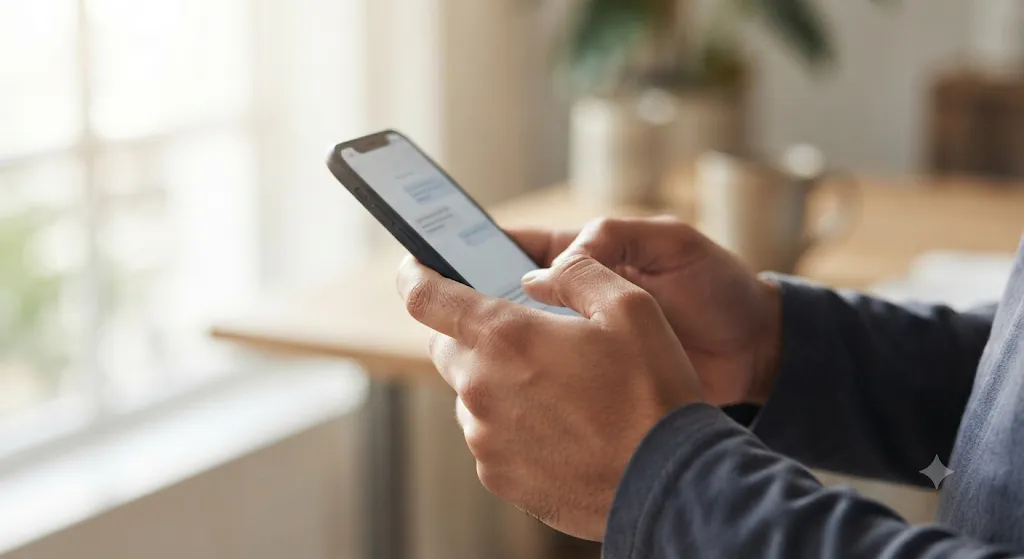
You finish a long text thread and notice the tips of your fingers feel dull, tingly, or slightly numb. The sensation fades after you set the phone down, but it returns the next time you text for a while. This is a common experience in modern life, where phones stay in our hands for hours.
Most of the time the numbness is temporary and linked to how we hold and move our hands while texting. It does not automatically mean a lasting nerve problem, but it is worth understanding so you can keep the feeling from becoming frequent.
What This Numbness Feels Like
The sensation is usually mild and localized. You might notice:
- A dull or “asleep” feeling in the thumb, index, or middle finger
- Light tingling that comes and goes
- Reduced sensitivity at the fingertips right after a long session
- A sense that the fingers are thicker or less responsive for a few minutes
It often improves within minutes to half an hour once you stop gripping the phone and move your hands. If the same fingers also feel stiff or tired, that is common too—see also fingers that feel stiff after scrolling.
Common Reasons Fingers Go Numb After Texting
Texting combines a sustained pinch grip, repeated thumb opposition, and often a slightly flexed wrist. Several ordinary mechanisms can produce temporary numbness:
- Sustained grip pressure. Holding the phone tightly reduces local blood flow in the small vessels of the fingers. When flow drops, nerves briefly become less sensitive.
- Mild median-nerve stress. The median nerve passes through the carpal tunnel at the wrist and supplies the thumb, index, middle, and half of the ring finger. Thumb-heavy texting can deform or displace the nerve slightly inside the tunnel, as shown in kinematic studies of smartphone hand postures.
- Tendon and soft-tissue crowding. The flexor tendons that move the thumb and fingers swell a little with repeated use. Even modest swelling can raise pressure around the nerve for a short time.
- Elbow or posture effects. If you also bend the elbow sharply while holding the phone, the ulnar nerve can contribute a different pattern of numbness (more toward the ring and pinky fingers).
A 2021 study by Szekeres, Cheung, and MacDermid found that even a controlled 15-minute texting task could raise sensory thresholds (making the skin less sensitive) in people who already had some carpal-tunnel symptoms, while healthy controls were less affected. Other work has linked longer daily phone use with measurable changes in median-nerve conduction.
Why This Happens
Nerves need a steady supply of blood and a low-pressure environment to transmit signals clearly. When you text for a long stretch:
- The small muscles and tendons in the hand stay active or under mild tension.
- Local fluid shifts and minor swelling occur inside the tight spaces of the wrist and palm.
- Pressure on the median nerve rises temporarily; the nerve itself can rotate or flatten slightly during thumb opposition (observations from ultrasound and kinematic studies such as those by Woo and colleagues).
- Sensory fibers, which are sensitive to pressure, fire less efficiently, producing the numb or tingly feeling.
Once you release the grip, shake the hands, and allow normal movement, pressure drops and circulation returns. The numbness usually clears. This is different from the more persistent numbness that can wake people at night or linger all day—patterns more often linked to established carpal-tunnel compression.
Similar temporary sensory changes appear with other sustained grips, such as tingling after holding a steering wheel or after prolonged typing.
Hidden Triggers That Make It More Noticeable
- Cold hands (already reduced blood flow makes pressure effects stronger)
- Texting with the wrist bent sharply forward or back
- One-handed use that forces a tighter grip
- Long sessions without breaks, especially when combined with desk work
- Previous wrist injury, pregnancy-related fluid retention, or early carpal-tunnel changes that lower the threshold for symptoms
When to Pay Closer Attention
Most post-texting numbness is benign and self-limited. Consider a medical check if you notice:
- Numbness that lasts more than an hour after you stop
- Symptoms that wake you at night or are present first thing in the morning
- Weakness, dropping objects, or visible muscle loss at the base of the thumb
- Numbness that spreads up the forearm or is accompanied by neck pain
- Symptoms in both hands that are progressive rather than clearly linked to phone use
These patterns can point to more sustained nerve compression, cervical issues, or other causes that benefit from early assessment.
Myths vs Facts
Myth: Texting always causes carpal tunnel syndrome.
Fact: Heavy phone use is associated with more hand symptoms and can aggravate existing median-nerve sensitivity, but studies have not shown it is a direct cause of full carpal tunnel syndrome in most people. Temporary numbness is far more common than lasting damage.
Myth: If your fingers go numb, you must stop using your phone entirely.
Fact: Changing grip, taking short breaks, and varying postures usually resolve the temporary sensation. Complete avoidance is rarely necessary.
Myth: Only the thumb is affected by texting.
Fact: While the thumb does the most work, the median nerve supplies several fingers, so numbness can appear in the index or middle finger as well.
How to Manage It
- Set a simple timer or use the phone’s own screen-time tools to stand up and open your hands every 20–30 minutes.
- Loosen your grip; most phones can be held with less force than we habitually use.
- Keep the wrist in a more neutral position rather than sharply flexed.
- Alternate hands or use voice-to-text for longer messages.
- Gently shake the hands, make slow fists, and spread the fingers after a long session.
- If cold worsens it, warm the hands briefly before or after texting.
These small changes reduce the cumulative pressure on tendons and nerves. Many people also find that the same strategies help with related stiffness after typing or driving.
When to See a Doctor
See a clinician if the numbness becomes frequent, starts appearing without clear phone use, or is joined by weakness or night-time symptoms. A hand specialist or primary-care provider can check nerve function, rule out other causes, and advise whether further testing (such as nerve conduction studies) is useful. Early attention prevents minor irritation from becoming more persistent.
FAQs
Does texting numbness mean I have carpal tunnel syndrome?
Not necessarily. Temporary numbness after texting is common and usually reflects short-term pressure or reduced blood flow. Classic carpal tunnel symptoms tend to be more persistent, worse at night, and accompanied by weakness over time.
Why does it affect only some fingers?
The median nerve mainly serves the thumb, index, middle, and part of the ring finger. If those are the ones that go numb, the sensation fits mild median-nerve stress. Pinky-side numbness is more often linked to the ulnar nerve.
Can stretching or exercises help?
Gentle tendon-gliding movements and nerve-gliding stretches recommended by hand therapists can reduce stiffness and mild irritation for many people. Avoid aggressive stretching if it increases symptoms.
Is one-handed texting worse?
Often yes, because it usually requires a tighter grip and more extreme thumb positions. Switching hands or using both hands for longer messages spreads the load.
Will the numbness go away if I change how I text?
For most people, yes. Reducing continuous grip time, keeping the wrist straighter, and taking regular breaks usually clears the temporary numbness within days to weeks.
Conclusion
Feeling your fingers go numb after a long texting session is a normal response to sustained grip, mild nerve pressure, and temporary changes in blood flow. It is the hand’s way of signaling that the posture has been held long enough. Simple adjustments—looser grip, neutral wrist, short breaks—usually keep the sensation from becoming frequent. If the numbness starts lasting longer, waking you at night, or coming with weakness, a professional check is the sensible next step. Your hands were built for varied movement; giving them that variety makes modern phone use far more comfortable.