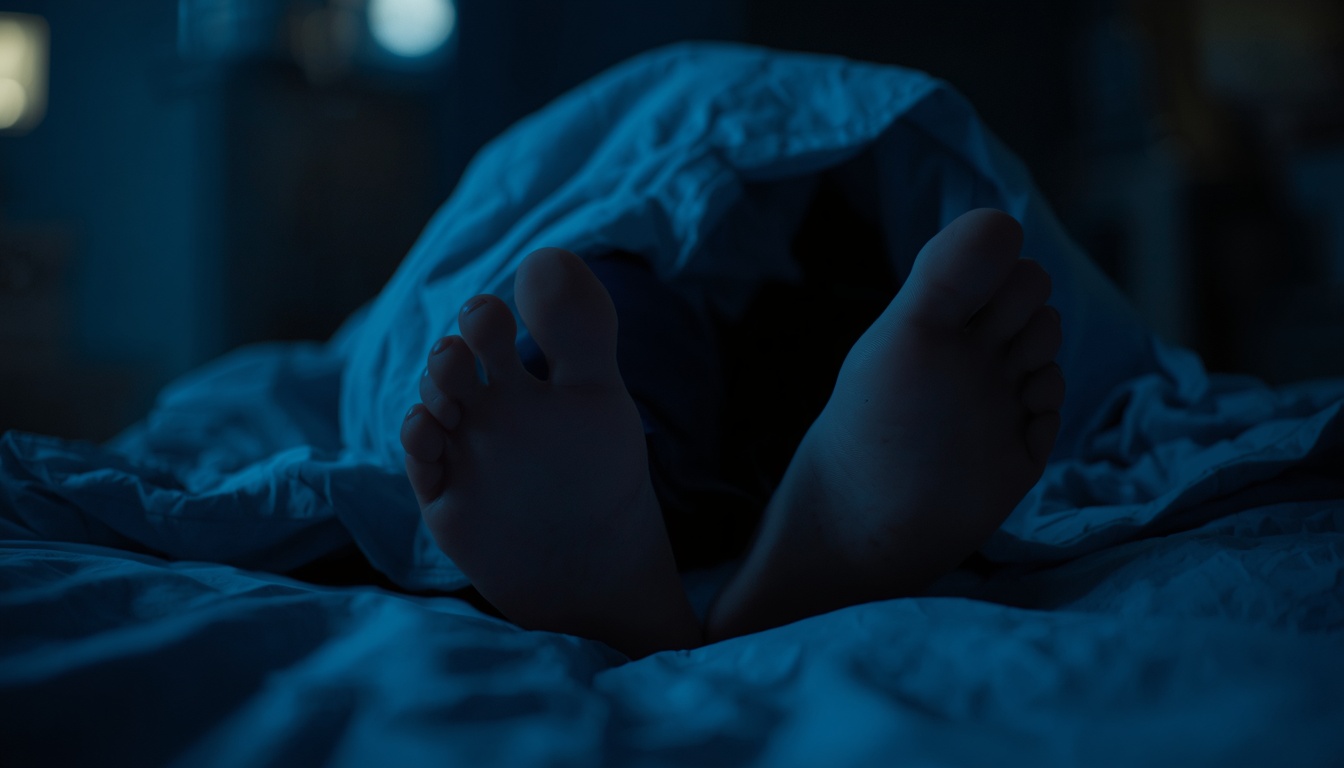
Warm or hot feet at night are often a normal part of how your body cools down for sleep. Learn the common reasons, when the heat is just vasodilation, and the signs that deserve a closer look.
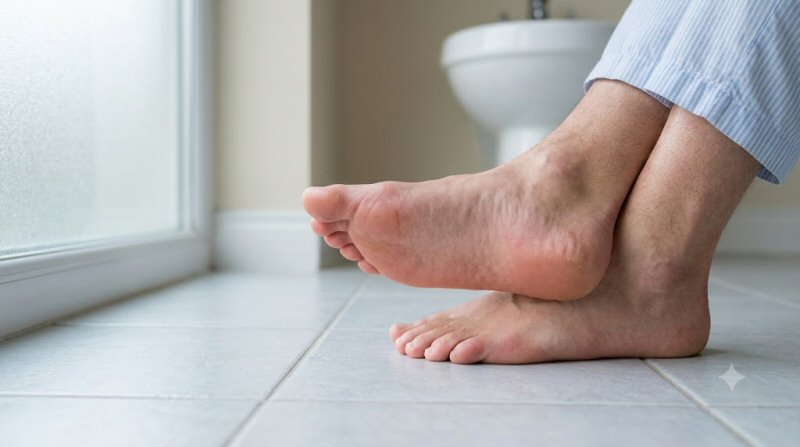
You get into bed, the room feels fine, and within minutes your feet are radiating heat. You kick the covers off one foot, then both, or slide them onto the cooler floor just to get comfortable. The next night it happens again. Is this a normal part of winding down, or a sign something is off?
For many people, warm feet at night are simply how the body prepares for sleep. The sensation can feel stronger in modern beds with thick duvets, warm socks, or after a long day on your feet. Most of the time it is harmless. Sometimes it points to something worth checking.
What This Sensation Feels Like
The feeling is usually a steady warmth or mild heat across the tops and soles of both feet. The skin may feel warmer to the touch than the rest of your body. It often becomes more noticeable once you lie still under covers. Some people describe it as a gentle glow; others say it feels almost burning even though the room is cool.
It tends to ease when you uncover your feet, place them on a cool surface, or step out of bed for a moment. It is usually symmetric (both feet) and does not come with sharp pain, numbness, or visible redness that stays after cooling. If the heat is mild and follows this pattern, it is often just the body’s normal evening temperature shift.
Common Everyday Causes
The most frequent reason is distal vasodilation—the widening of blood vessels in the hands and feet that helps lower core body temperature before sleep. Blood moves outward, heat leaves through the skin, and the core cools by a degree or so. Your feet feel the result first because they have a large surface area relative to their volume.
A 1999 study by Kurt Kräuchi and colleagues, published in Nature, showed that the degree of this extremity warming is one of the best predictors of how quickly someone falls asleep. Warm feet are not a side effect of sleep; they help start it.
Other everyday triggers include:
- Standing or walking for long periods earlier in the day (related to the mild fluid shifts many people notice as feet that feel fuller after standing)
- Thick socks, heavy blankets, or a warm bedroom that trap the heat the body is trying to release
- Exercise late in the day, a hot shower, or spicy food that briefly raises skin blood flow
- Mild residual tension or caffeine that keeps peripheral vessels open longer
These factors do not damage tissue. They simply make the normal evening warmth more obvious.
Why This Happens (The Temperature Drop Your Body Still Expects)
Human sleep is tightly linked to a nighttime drop in core temperature. For most of our evolutionary history that drop happened in cooler night air, on the ground, or under light coverings. The body still uses the same mechanism: open the vessels in the extremities so heat can leave. Researchers studying circadian thermoregulation have long noted that this distal heat loss is part of the cascade that signals “time to sleep.”
In a modern heated bedroom with a high-tog duvet, the heat has fewer places to go. The feet stay warmer longer, and the sensation registers as “hot.” This is one of the smaller mismatches between the temperature rhythm your system expects and the environment many of us now sleep in—similar to the broader pattern described in pieces on why your core temperature still expects a nighttime drop.
The calf muscle pump also plays a supporting role during the day. When you walk, the muscles squeeze blood back toward the heart. After hours of sitting or standing still, mild pooling and then evening redistribution can make the feet feel warmer once you finally lie down. That is why a short walk or gentle elevation before bed sometimes helps.
Less Common but More Serious Possibilities
When the heat is strong, burning, or paired with other symptoms, other explanations become more likely:
- Peripheral neuropathy — small-fiber nerve irritation (often linked to long-standing high blood sugar, vitamin B12 deficiency, or idiopathic causes in older adults) can produce a burning or hot sensation that is worse at night when distractions fade.
- Hormonal shifts — menopause and the perimenopausal years can produce night-time vasodilation and hot flashes that include the feet.
- Erythromelalgia — a rare condition with episodes of intense burning, redness, and warmth, usually relieved by cooling.
- Athlete’s foot or other skin irritation, residual effects of tight shoes, or certain medications can also create a hot or burning feeling.
These are less common than simple thermoregulatory warmth. The pattern and accompanying signs help separate them.
Hidden Triggers You Might Overlook
Alcohol in the evening dilates vessels and can amplify the warmth. A long day in non-breathable shoes leaves residual heat and mild swelling. Anxiety or a racing mind can keep sympathetic tone elevated, altering blood-flow patterns. Even the simple habit of wearing socks to bed in a warm room prevents the natural heat loss the body is trying to achieve. None of these are dramatic, yet each can tip mild evening warmth into something that keeps you awake.
When to Worry
Most warm feet at night do not need medical attention. Consider checking with a clinician if you notice:
- Burning pain, numbness, or tingling that is new or worsening
- Visible redness, swelling, or color changes that do not fade when the feet are cooled
- Symptoms that affect only one foot
- Known diabetes, recent B12 deficiency risk (strict vegan diet, metformin, or gastric surgery), or unexplained fatigue and balance changes
- Sleep disruption severe enough that you regularly lose hours of rest
Sudden severe heat plus redness in one joint (especially the big toe) can be gout and deserves prompt attention. Persistent burning with reduced sensation in someone with diabetes also needs evaluation because unnoticed skin injury becomes more likely.
Myths vs Facts
Myth: Hot feet at night always mean diabetes or nerve damage.
Fact: Mild symmetric warmth that improves when you uncover your feet is usually normal distal vasodilation.
Myth: You should keep your feet tightly covered so they “don’t catch a chill.”
Fact: Allowing some heat to escape from the feet often helps both comfort and sleep onset.
Myth: If it only happens at night it must be serious.
Fact: Nighttime is exactly when the body is supposed to move heat outward; that is when the sensation is most noticeable.
How to Manage It
Simple adjustments often bring relief:
- Keep the bedroom cool (around 16–19 °C / 60–67 °F is commonly comfortable) and use lighter covers over the feet or a duvet you can easily shift.
- Leave your feet uncovered for the first part of the night or sleep with them outside the covers.
- Choose breathable socks if you prefer them, or none at all.
- Take a brief lukewarm or cool foot rinse or rest your feet on a cool tile or pillow before bed.
- Elevate your feet for 10–15 minutes in the evening if they feel heavy after standing; a short walk earlier in the evening also helps the calf muscle pump clear residual fluid.
- Limit alcohol and very spicy meals close to bedtime if you notice they intensify the warmth.
These steps address the normal heat-loss process rather than fighting it. Most people find the sensation becomes far less bothersome once the feet can release heat freely.
When to See a Doctor
Book a routine appointment if the heat is new, steadily worsening, or accompanied by numbness, weakness, or balance changes. Mention any history of diabetes, vitamin deficiencies, or recent medication changes. A clinician can check blood sugar, B12, and other straightforward labs and decide whether further nerve or vascular evaluation is useful. Urgent care is rarely needed unless there is sudden severe pain, marked swelling, or signs of infection.
FAQs
Is it normal for only my feet (not my hands) to feel hot at night?
Yes. The feet have a high surface-to-volume ratio and are often more covered, so the warmth is noticed there first. Hands can feel warm too, but many people simply notice the feet more.
Why does uncovering my feet help me fall asleep?
It allows the distal heat loss that the body uses to drop core temperature. Kräuchi’s work and later sleep research show that this extremity warming and subsequent heat release is tightly linked to faster sleep onset.
Can tight shoes during the day cause hot feet at night?
They can contribute. Prolonged compression and reduced airflow leave residual warmth and mild swelling that become more obvious once you lie down and blood flow redistributes.
Does menopause make hot feet more likely?
Yes. The same vasodilation that produces hot flashes and night sweats can include the feet. Many women notice the symptom more during perimenopause and menopause.
Should I worry if my feet feel hot but look normal?
Usually no. Normal thermoregulatory warmth does not produce lasting redness or color change. If the skin stays red, mottled, or swollen after cooling, or if pain and numbness appear, that is worth discussing with a clinician.
Will cooling my feet too much keep me awake?
Extreme cold can be stimulating, but a modestly cool room and uncovered feet usually support rather than hinder sleep. The goal is gentle heat loss, not chilling the body.
Conclusion
Feeling that your feet are hot at night is, for most people, a normal and even useful part of how the body cools itself for sleep. Distal vasodilation, thicker modern bedding, and a long day on your feet all make the sensation more noticeable. When the warmth is mild, symmetric, and relieved by uncovering the feet, it rarely signals a problem.
Pay attention if burning pain, numbness, persistent redness, or other symptoms join the heat. Those are the clues that move the experience from ordinary evening physiology into something a clinician should evaluate. For everyone else, a cooler room, lighter covers over the feet, and a few minutes of elevation or a short walk are usually enough to let the night’s natural temperature drop happen comfortably.