
Why are more young adults being diagnosed with fatty liver? Learn the causes, symptoms, warning signs, myths, and natural ways to support liver health.
Imagine this: you're 28 years old, you rarely drink alcohol, you have a full-time job, and apart from occasional tiredness, you feel reasonably healthy. Then a routine health checkup reveals something unexpected—your doctor tells you that you have a fatty liver.
Your first reaction might be confusion. Isn't fatty liver something that happens to older people or heavy drinkers?
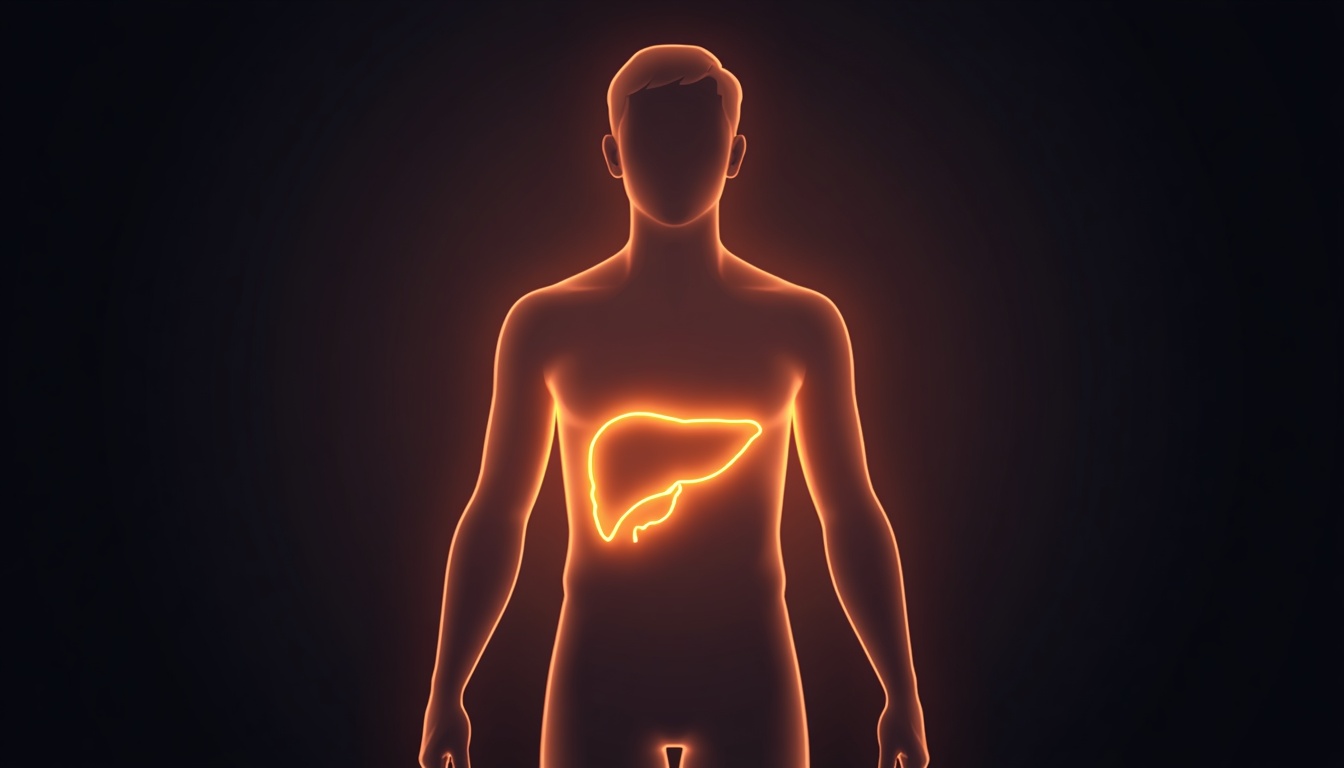
Surprisingly, doctors around the world are seeing a sharp increase in fatty liver disease among people in their 20s, 30s, and early 40s. Many young adults who consider themselves healthy are discovering that excess fat has accumulated inside their liver, often without any obvious warning signs.
This trend has become so common that fatty liver disease is now one of the most frequently diagnosed liver conditions worldwide. What makes it particularly concerning is that many people don't realize they have it until an ultrasound or blood test uncovers it.
So why are so many young adults suddenly being diagnosed with fatty liver? Is modern lifestyle to blame? Are hidden dietary habits damaging the liver? And what can you do to protect one of the most important organs in your body?
Let's explore the science behind this growing health issue.
What Is Fatty Liver Disease?
Fatty liver disease occurs when excessive fat accumulates inside liver cells. A small amount of fat in the liver is normal, but when fat makes up more than about 5% of the liver's weight, it is generally considered fatty liver.
The liver performs hundreds of vital functions, including:
- Processing nutrients from food
- Removing toxins from the bloodstream
- Producing proteins and enzymes
- Helping regulate blood sugar
- Managing cholesterol and fat metabolism
When excess fat begins to build up, these functions can become less efficient.
Today, many experts use the term Metabolic Dysfunction-Associated Steatotic Liver Disease (MASLD), previously known as Non-Alcoholic Fatty Liver Disease (NAFLD).
What This Condition Feels Like
One of the most surprising things about fatty liver disease is that most people feel absolutely nothing.
Many young adults are diagnosed accidentally during:
- Routine health screenings
- Employment medical examinations
- Health insurance checkups
- Ultrasound scans performed for unrelated reasons
When symptoms do occur, they are often vague and easy to ignore.
Some people report:
- Persistent fatigue
- Low energy levels
- Difficulty concentrating
- Mild discomfort in the upper right abdomen
- A feeling of fullness after meals
- General sluggishness
Because these symptoms can be caused by countless other conditions, fatty liver frequently remains undetected for years.
Why This Happens in Your Body
To understand fatty liver, imagine your liver as a giant processing factory.
Every day, it receives nutrients, sugars, fats, proteins, and toxins. Under normal circumstances, the liver processes these materials efficiently.
Problems begin when the body receives more energy than it can use.
Excess calories—especially from refined carbohydrates, sugary beverages, and processed foods—are converted into fat. Some of this fat is stored beneath the skin, while some accumulates inside the liver.
Insulin resistance plays a major role in this process.
When cells become less responsive to insulin:
- Blood sugar levels rise
- The body produces more insulin
- The liver creates more fat
- Fat breakdown becomes less efficient
- Fat accumulates within liver cells
Over time, this excess fat can trigger inflammation and cellular stress. In some individuals, liver tissue may become scarred, eventually affecting liver function.
Why Are So Many Young Adults Being Diagnosed Now?
The increase is not happening because fatty liver suddenly appeared. Rather, several modern lifestyle factors have created ideal conditions for the disease to develop earlier in life.
1. Increased Consumption of Ultra-Processed Foods
Modern diets often contain large amounts of:
- Packaged snacks
- Fast food
- Sugary cereals
- Sweetened beverages
- Processed desserts
These foods frequently contain high amounts of added sugars, refined carbohydrates, unhealthy fats, and excess calories.
Regular consumption encourages fat storage in the liver.
2. Sedentary Lifestyles
Many young adults spend most of their day:
- Sitting at desks
- Working on computers
- Watching screens
- Using smartphones
- Playing video games
Physical inactivity reduces the body's ability to burn fat effectively.
Even individuals who are not visibly overweight may develop fatty liver if they remain sedentary for long periods.
3. Rising Obesity Rates
Excess body weight remains one of the strongest risk factors.
Particularly important is abdominal fat, which surrounds internal organs and contributes to metabolic dysfunction.
As obesity rates rise globally, fatty liver diagnoses naturally increase as well.
4. More Health Screenings
Healthcare providers are now more aware of fatty liver disease than ever before.
Routine blood tests and imaging studies frequently detect cases that might have gone unnoticed years ago.
5. Chronic Stress
Stress influences hormone levels, eating habits, sleep quality, and physical activity.
Long-term stress may indirectly contribute to weight gain, insulin resistance, and liver fat accumulation.
Common Causes of Fatty Liver
Most cases in young adults are related to lifestyle and metabolic factors.
Excess Sugar Consumption
Particularly concerning is fructose, which is commonly found in:
- Soft drinks
- Energy drinks
- Sweetened juices
- Candy
- Processed foods
The liver processes fructose differently than many other nutrients, making excessive intake a significant contributor to liver fat production.
Weight Gain
Even moderate weight gain can increase fat deposition within the liver.
Insulin Resistance
This metabolic disturbance often develops years before diabetes appears.
Lack of Exercise
Regular physical activity helps the body use stored fat for energy.
Poor Sleep
Insufficient sleep can disrupt hormones that regulate appetite, metabolism, and insulin sensitivity.
Rapid Weight Changes
Interestingly, both rapid weight gain and rapid weight loss may stress the liver.
Hidden Triggers People Often Ignore
Some liver-damaging habits seem harmless but may contribute significantly over time.
Liquid Calories
Many people underestimate how much sugar they consume through drinks.
A few sweet beverages per day can add hundreds of calories without creating a feeling of fullness.
Weekend Overeating
Some individuals eat carefully during weekdays but consume excessive calories during weekends.
The liver responds to overall calorie balance, not just weekday habits.
Poor Sleep Schedules
Late-night scrolling, shift work, and irregular sleep patterns may negatively affect metabolism.
Hidden Sugars
Added sugars appear in foods many people consider healthy, including:
- Flavored yogurt
- Breakfast cereals
- Protein bars
- Granola
- Packaged smoothies
Stress Eating
Many young adults unknowingly consume large amounts of calorie-dense foods during periods of stress or anxiety.
Less Common but More Serious Causes
Although lifestyle factors account for most cases, some individuals develop fatty liver due to other medical conditions.
Genetic Factors
Certain inherited genes may increase susceptibility to liver fat accumulation.
Hormonal Disorders
Conditions affecting hormone balance can influence fat metabolism.
Metabolic Diseases
Some rare disorders interfere with normal processing of fats and sugars.
Severe Malnutrition
Unexpectedly, inadequate nutrition can also contribute to fatty liver development.
Chronic Liver Conditions
Some underlying liver diseases may coexist with fatty liver and require medical evaluation.
Why Fatty Liver Can Be Dangerous If Ignored
Not everyone with fatty liver develops serious complications.
However, some individuals progress through several stages:
- Simple fatty liver
- Liver inflammation
- Fibrosis (scarring)
- Cirrhosis
- Liver failure in severe cases
The process often occurs slowly over years or decades.
Early detection provides the best opportunity to reverse or slow progression.
When to Worry: Red Flags You Shouldn't Ignore
While fatty liver itself is often silent, certain symptoms deserve prompt medical attention.
- Persistent abdominal pain
- Unexplained weight loss
- Yellowing of the skin or eyes
- Swelling of the abdomen
- Severe fatigue
- Easy bruising
- Dark urine
- Pale stools
- Persistent nausea
These symptoms may indicate more advanced liver disease or another serious medical condition.
Myths vs Facts
Myth: Only alcoholics get fatty liver.
Fact: Many people with fatty liver drink little or no alcohol.
Myth: Thin people can't develop fatty liver.
Fact: Lean individuals can develop fatty liver, especially if they have insulin resistance or poor dietary habits.
Myth: Fatty liver always causes symptoms.
Fact: Most people experience no noticeable symptoms.
Myth: Fatty liver is harmless.
Fact: Some cases remain stable, but others progress to inflammation and scarring.
Myth: Young adults don't need to worry about liver health.
Fact: Fatty liver is increasingly common among people in their 20s and 30s.
When to See a Doctor
You should consider medical evaluation if:
- You have persistent fatigue without explanation
- You have obesity or significant abdominal weight gain
- You have diabetes or prediabetes
- You have abnormal liver blood tests
- You have a family history of liver disease
- You experience ongoing abdominal discomfort
- You develop any of the red-flag symptoms discussed earlier
Early assessment can help identify problems before significant liver damage occurs.
How to Manage or Reduce Fatty Liver Naturally
The encouraging news is that fatty liver often improves when underlying causes are addressed.
Focus on Whole Foods
- Vegetables
- Fruits
- Whole grains
- Legumes
- Nuts
- Lean protein sources
These foods support healthier metabolism and overall liver function.
Reduce Added Sugars
Limiting sugary beverages and heavily processed snacks can significantly reduce liver fat accumulation.
Increase Physical Activity
Regular movement helps improve insulin sensitivity and encourages fat utilization.
Even simple activities like walking can provide benefits when performed consistently.
Maintain a Healthy Weight
Gradual, sustainable weight management often improves liver health.
Prioritize Sleep
Aim for consistent sleep schedules and good sleep quality.
Manage Stress
Healthy stress-management techniques may support better eating habits, hormone regulation, and metabolic health.
Stay Hydrated
Adequate hydration supports overall health and may help reduce consumption of sugary beverages.
The Bigger Picture: Fatty Liver as a Warning Signal
Many experts now view fatty liver as more than a liver condition.
It often serves as an early warning sign that metabolism is becoming unhealthy.
The same factors that contribute to fatty liver can also increase the risk of:
- Type 2 diabetes
- Heart disease
- High blood pressure
- Metabolic syndrome
- Stroke
In this sense, discovering fatty liver may provide an opportunity to improve overall long-term health before more serious problems develop.
Conclusion
The growing number of young adults being diagnosed with fatty liver is not a coincidence. Modern diets, sedentary lifestyles, chronic stress, poor sleep, increasing obesity, and metabolic dysfunction have created conditions that allow fat to accumulate in the liver earlier than ever before.
The reassuring reality is that fatty liver often develops silently and, in many cases, can be improved through lifestyle changes that support overall health. Understanding how the condition develops gives people the knowledge they need to take proactive steps before complications arise.
If a routine scan unexpectedly reveals fatty liver, it should not be viewed as a reason to panic. Instead, it can serve as an important wake-up call—a reminder that your liver is working hard every day and deserves the same attention you give to your heart, muscles, and brain.
The earlier fatty liver is recognized, the greater the opportunity to protect liver health for decades to come.