
Why does the floor feel like it's moving when standing still? Explore vertigo causes, BPPV, inner ear explanations, red flags, and natural management tips for lasting relief.
Imagine standing in your kitchen, reaching for a mug, when suddenly the floor beneath your feet feels like it's gently rolling like the deck of a boat in calm waves. Your heart races, you grab the counter for support, and a wave of unease washes over you. This isn't just "feeling dizzy"—it's a disorienting sensation that many people experience, often leaving them worried and searching for answers. If you've ever wondered why the world seems unsteady even when you're perfectly still, you're not alone. This common symptom, often linked to vertigo or balance issues, has clear explanations rooted in how your body maintains equilibrium.
What Is This Symptom? Understanding the Sensation
This feeling—often described as the floor shifting, swaying, or moving underfoot while standing still—is a form of vertigo or disequilibrium. True vertigo involves a false sense of motion: either you feel like you're spinning, or the environment around you is. It differs from lightheadedness (like feeling faint) or general unsteadiness. The brain receives mismatched signals from your inner ear, eyes, and body position sensors, creating the illusion of movement.
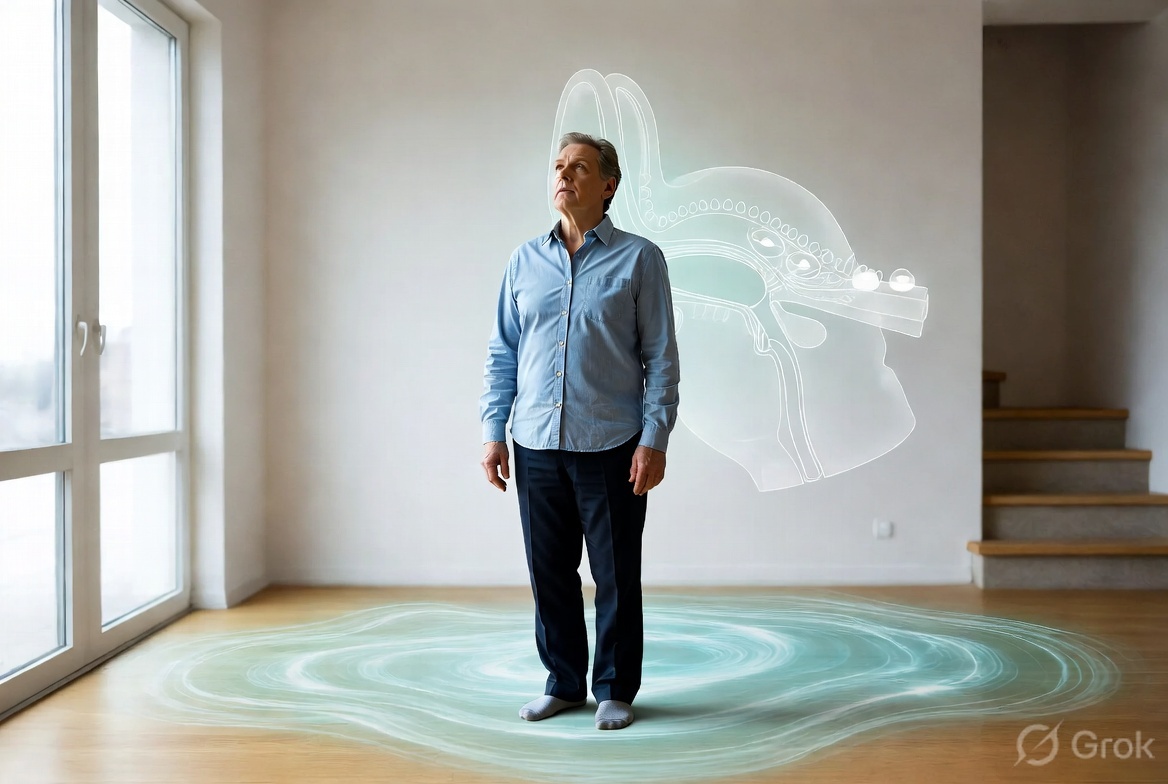
In simple terms, your balance system is like a sophisticated GPS. When it glitches, even brief ones, everyday actions feel off-kilter. Episodes can last seconds to minutes or feel more persistent, sparking curiosity: What's happening inside my body?
What This Symptom Feels Like
People often report:
- A rocking or swaying motion, as if standing on a boat or moving walkway.
- The floor tilting or shifting subtly, making you feel unsteady.
- Accompanying nausea, blurred vision, or a heavy-headed feeling.
- Worsening with head movements, standing, or in busy visual environments like stores.
- A lingering sense of imbalance even after the intense spinning fades.
These sensations can be brief and triggered or more constant, affecting concentration, walking, or confidence in daily tasks. It's reassuring to know that while alarming, many causes are manageable
Why This Happens in Your Body: The Biological Explanation
Your inner ear houses the vestibular system—tiny fluid-filled semicircular canals and otolith organs with calcium crystals (otoconia) that detect movement and gravity. These send signals to the brain via nerves, coordinating with your eyes and muscles for balance.
When crystals dislodge or fluid pressure changes, or nerves misfire, conflicting signals confuse the brain. It thinks you're moving when you're not, producing the "floor moving" illusion. This mismatch, called vestibular dysfunction, is often peripheral (inner ear) but can involve central (brain) pathways.
Common Causes (Lifestyle, Temporary, Harmless)
Most cases stem from benign, fixable issues:
- Benign Paroxysmal Positional Vertigo (BPPV): The top cause. Loose calcium crystals float into semicircular canals, triggering short vertigo spells with head position changes like rolling in bed or looking up. It affects millions and is more common after 50.
- Dehydration, fatigue, or low blood sugar from skipped meals.
- Inner ear inflammation from recent colds or allergies.
- Medications, alcohol, or caffeine affecting balance temporarily.
- Stress or anxiety amplifying normal sensations.
- Aging-related changes in the vestibular system.
These are often self-limiting or easily addressed with simple adjustments.
Less Common but Serious Causes
While rare, persistent or sudden symptoms can signal:
- Ménière’s disease (fluid buildup causing vertigo, hearing loss, tinnitus).
- Vestibular neuritis or labyrinthitis (viral inner ear infection).
- Migraine-associated vertigo.
- Neurological issues like multiple sclerosis or stroke (especially with other symptoms).
- Head injuries or tumors (rare).
Cardiovascular problems, such as low blood pressure upon standing, can mimic or overlap with these feelings.
Hidden Triggers People Ignore
Sometimes the culprit hides in plain sight:
- Prolonged screen time or visually busy environments causing visual-vestibular conflict.
- Neck stiffness or poor posture disrupting proprioception.
- Vitamin D deficiency or certain supplements/medications.
- Post-viral effects after even mild illnesses.
- Teeth grinding or TMJ issues affecting nearby nerves.
- Recent travel (mal de débarquement syndrome—lingering boat-like motion).
Awareness of these can prevent unnecessary worry.
Myths vs Facts
Myth: All vertigo means a brain tumor or stroke.
Fact: Most cases are peripheral and benign, like BPPV.
Myth: You should just "push through" dizziness.
Fact: Resting during episodes and addressing root causes is safer and more effective.
Myth: Only older people get this.
Fact: It can affect anyone, though risk increases with age.
When to Worry: Red Flags
See a doctor promptly if the sensation includes:
- Sudden severe headache, chest pain, or shortness of breath.
- Weakness, numbness, vision changes, slurred speech, or confusion.
- Falls, persistent vomiting, or inability to walk.
- New hearing loss, ringing in ears, or double vision.
- Symptoms after head injury.
These could indicate stroke or other serious issues—better safe than sorry.
When to See a Doctor
Consult a professional for recurring episodes, those disrupting life, or lasting longer than expected. An ENT specialist, neurologist, or audiologist can perform tests like the Dix-Hallpike maneuver to diagnose BPPV. Early evaluation often leads to quick relief.
How to Manage or Reduce This Symptom Naturally
Focus on lifestyle and safe techniques (always consult a professional first):
- Stay hydrated and eat balanced meals.
- Practice slow, deliberate movements—sit on the bed edge before standing.
- Balance exercises like standing on one foot (with support) or tai chi.
- For BPPV, canalith repositioning maneuvers like the Epley (guided by a trained provider) are highly effective, often resolving symptoms in sessions.
- Reduce triggers: Manage stress with deep breathing; limit alcohol/caffeine.
- Improve home safety: Good lighting, remove tripping hazards.
- Vestibular rehabilitation therapy with a specialist for persistent cases.
Many people see significant improvement with these approaches.
Expert Insights
According to sources like the Mayo Clinic and NIDCD, accurate diagnosis is key—vertigo is a symptom, not a disease. Researchers emphasize that BPPV, while startling, responds remarkably well to repositioning procedures, with success rates over 80% after one or two treatments. Neurologists note the importance of distinguishing peripheral from central causes to provide targeted reassurance and care.
Dr. insights from clinical practice highlight that patient education reduces anxiety, which itself can worsen symptoms.
Conclusion: Regaining Your Steady Ground
Feeling like the floor is moving can be frightening, but understanding its roots—often in the delicate balance mechanisms of your inner ear—brings relief and empowerment. Most causes are temporary and treatable, allowing you to move through life with confidence again. Listen to your body, seek professional guidance when needed, and incorporate gentle habits for better balance. You're taking the first step toward steadiness just by learning more—keep that curiosity alive, and brighter, more stable days are ahead.