
The small muscles that draw your fingers together still expect the closed grips and tool use of ancestral hand work. Modern screens and flat typing leave them underloaded.
Your fingers spend most of the day either hovering over a keyboard in a slightly open posture or scrolling a phone with the thumb doing the work. The small muscles that pull the index, ring, and little fingers toward the middle finger rarely get a strong, purposeful squeeze. Those muscles are the palmar interossei. They still expect the occasional closed-hand work that hands evolved to do.
What These Muscles Actually Do
The palmar interossei sit between the metacarpal bones on the palm side of the hand. There are typically three of them (sometimes four). They attach so that when they contract they adduct the fingers—bringing the index finger toward the middle finger and the ring and little fingers toward the middle finger. There is no palmar interosseous for the middle finger itself; it serves as the axis.
A simple mnemonic used in anatomy teaching is PAD DAB: Palmar interossei ADduct, Dorsal interossei ABduct. Beyond pure adduction they also help flex the knuckles (metacarpophalangeal joints) and extend the finger joints through their attachment into the extensor hood. In everyday terms they help you close the hand around an object, stabilize a tool, or bring the fingers together for a precise grip.
Hand surgeon and anatomist Adalbert Kapandji described these intrinsic actions in detail in his classic work on hand physiology. Electromyography studies associated with researchers such as John Basmajian showed that the interossei are active during many functional grips, not only during pure abduction or adduction drills.
Why Modern Life Leaves Them Underloaded
Ancestral hands spent the day making tools, climbing, carrying, preparing food, and manipulating varied objects. Fingers repeatedly moved toward and away from the midline under load. Closed grips, power grips, and precision grips all recruited the palmar interossei along with the other intrinsic muscles.
Today the dominant hand postures are different. Keyboard typing keeps the fingers relatively extended and slightly spread. Phone use loads the thumb and the muscles that stabilize the device far more than the adductors of the other fingers. Many people notice stiffness after long scrolling sessions, a pattern explored in related articles on fingers feeling stiff after scrolling and stiffness after typing all day.
The dorsal interossei (the ones that spread the fingers) get occasional use when you open the hand wide. Their palmar counterparts get less deliberate work. The result is not usually dramatic weakness, but a subtle loss of the fine control and endurance that comes from varied loading. The same mismatch appears with other underused hand muscles discussed in pieces such as why the interossei still expect occasional finger spreading.
Common Everyday Signs
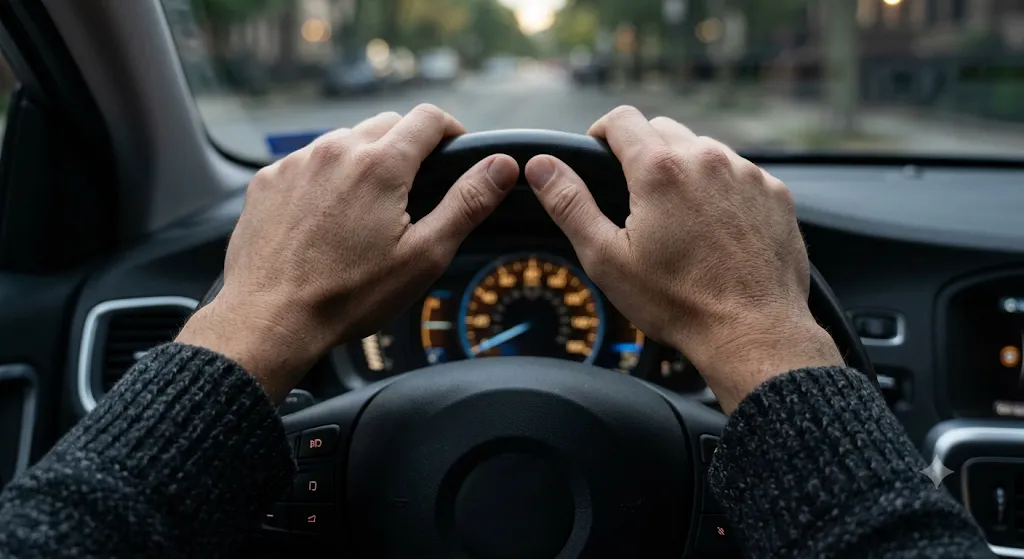
Most people do not feel a specific “palmar interossei ache.” What they notice instead is a general sense that the hand feels less nimble after long screen days, that making a firm closed fist takes a moment of effort, or that the spaces between the fingers feel stiff when they finally try to squeeze them together. Some people find that gripping a pen, a jar lid, or a steering wheel for a long time leaves the hand feeling tired in a way that pure thumb work does not explain.
These sensations are usually benign. They reflect underuse and static posture more than disease. Still, they are a reminder that the hand’s small muscles were not designed for hours of the same open or slightly flexed position.
When to Pay Closer Attention
Occasional stiffness that eases with movement is common. Seek a medical evaluation if you develop true weakness when trying to bring the fingers together, visible wasting between the knuckles, or numbness and tingling that follows the pattern of the ulnar nerve (ring and little fingers). The palmar interossei are innervated by the deep branch of the ulnar nerve; significant ulnar neuropathy can affect them along with other intrinsic muscles.
Sudden inability to adduct the fingers, pain that wakes you at night, or symptoms that spread up the arm are also reasons to get checked rather than assume simple underuse.
Simple Ways to Give Them the Work They Expect
You do not need special equipment. A few short practices restore the missing adduction loading:
- Finger-squeeze holds: Place a soft ball, folded cloth, or even just the fingers of the opposite hand between your fingers and gently squeeze them together for 5–10 seconds. Repeat several times.
- Closed-fist squeezes: Make a firm fist, hold, then open the hand wide. Alternate slowly.
- Tool or object grips: Carry a light bag by the handles, wring out a cloth, or practice turning a jar lid with the whole hand rather than only the thumb.
- Keyboard breaks: Every 30–45 minutes, stand, open and close the hands, and do a few adduction squeezes.
These movements take less than a minute and can be done at a desk, in a car, or while waiting. Consistency matters more than intensity. The goal is occasional purposeful loading, not exhaustion.
Myths Versus Facts
Myth: Typing all day builds strong hands.
Fact: Typing is repetitive but low-load and keeps the fingers in a relatively fixed posture. It does not replace the varied closed grips that load the palmar interossei.
Myth: Only the thumb matters for modern hand use.
Fact: Phone use heavily loads the thumb, yet the other fingers still need coordinated adduction and abduction for stable, precise work.
Myth: If you can type without pain, the intrinsic muscles are fine.
Fact: Absence of pain does not mean the muscles are receiving the range of loading they were built for. Subtle endurance and control can decline quietly.
Frequently Asked Questions
Can I strengthen the palmar interossei at my desk?
Yes. Soft-ball squeezes between the fingers or simple fist-open cycles take almost no space and can be done during short breaks.
Is finger stiffness after screens a sign these muscles are weak?
Often it is more about prolonged static posture and reduced fluid movement than true weakness. Adding a few adduction and spreading movements usually helps.
Do these muscles atrophy if I never do closed grips?
Complete atrophy is rare in everyday life, but reduced endurance and coordination are common when the hand spends most of its time in open or mildly flexed positions.
Should I worry about ulnar nerve problems?
Only if you develop clear weakness, muscle wasting, or persistent numbness in the ring and little fingers. Simple stiffness that improves with movement is usually not a nerve issue.
How often should I practice these movements?
A few sets of 5–10 second holds, two or three times a day, is enough to restore the occasional loading the muscles expect.
Conclusion
The palmar interossei are small but precise. They still expect the occasional chance to draw the fingers together under light load—the kind of work that came naturally when hands made tools, carried objects, and prepared food. Modern keyboards and screens do not provide that stimulus. A few deliberate squeezes and closed grips each day give them the brief, purposeful work they were built for, keeping the hand nimble without requiring a major change in routine.


