
The extensor pollicis longus straightens the thumb and stabilizes precision grips. Phone scrolling and desk work leave it under-used compared with ancestral tool handling and varied hand tasks.
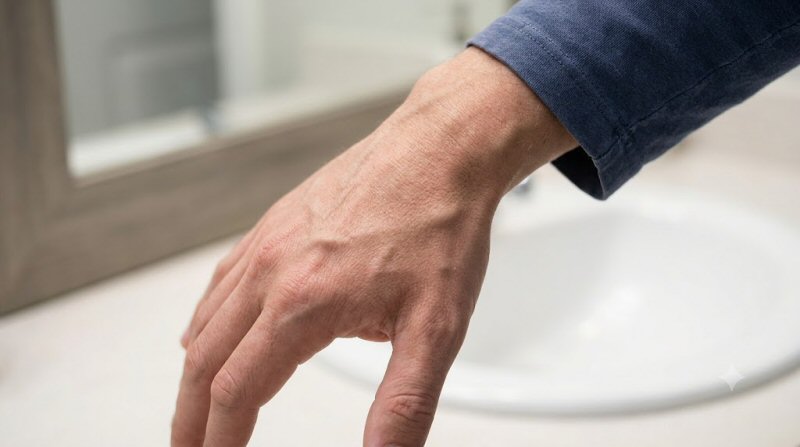
You finish a long scroll and notice the base of your thumb feels a little stiff, or the tendon on the back of your hand seems less springy than it used to. Most of the day your thumb stays slightly flexed—hovering over a screen, resting on a mouse, or curled around a phone. The muscle that straightens it, the extensor pollicis longus, barely gets a full stretch or a loaded contraction. That quiet under-use is ordinary in modern life, yet the muscle still expects the occasional full extension it received when hands regularly handled tools, climbed, and performed varied tasks.
What the Extensor Pollicis Longus Actually Does
The extensor pollicis longus (EPL) runs from the back of the forearm, crosses the wrist through the third dorsal compartment, and inserts on the distal phalanx of the thumb. It extends the interphalangeal joint of the thumb, assists extension at the metacarpophalangeal joint, and helps radially abduct and elevate the thumb. In functional terms it is the muscle that lifts the thumb clear of the palm and stabilizes it during precision pinches and open-hand grips.
Classic functional anatomy work by Kapandji described how the EPL works with the other thumb muscles to create the range needed for both power and fine manipulation. Electromyographic studies following the tradition of Basmajian have shown that the EPL is recruited not only for pure extension but also as a stabilizer when the thumb is held in mid-position during gripping. Without occasional full extension, the tendon can feel less mobile and the muscle can lose some of its endurance for sustained precision work.
Why This Muscle Still Expects Occasional Extension
For most of human evolutionary history the hands spent large parts of the day in varied positions: grasping branches or tools, scraping, carrying, and releasing. Full thumb extension occurred naturally when an object was released, when the hand was opened to receive something, or when the thumb was positioned for a new grip. Anthropologists studying tool-use morphology, including work associated with Marzke and Susman, have noted that the human thumb’s range and muscular control evolved under these repeated open-and-close cycles.
Modern keyboards, touchscreens, and steering wheels reverse the pattern. The thumb stays in mild flexion and adduction for hours. The EPL is rarely asked to shorten under load or to lengthen fully. Over weeks and months the muscle and its tendon adapt to the narrower range. The result is not usually dramatic pain; it is a quieter loss of easy, full extension and a tendency for the thenar area or the snuffbox region to feel tight after long device sessions.
Related everyday hand demands appear in articles such as why your thumbs still expect to pinch and hang and why your abductor pollicis longus still expects occasional thumb spreading. Those pieces cover opposition and spreading; the EPL’s job is the complementary extension that resets the thumb between those actions.
How the Mismatch Shows Up
People often notice one or more of the following after a day of heavy phone or keyboard use:
- A mild stiffness at the base of the thumb when they try to straighten it fully.
- A feeling that the tendon on the back of the wrist is less elastic.
- Slight fatigue in the thenar region or the anatomical snuffbox after prolonged scrolling.
- A preference to keep the thumb slightly flexed rather than let it rest fully extended.
These sensations are usually mechanical and reversible. They are distinct from the sharper pain of de Quervain tenosynovitis or from nerve compression symptoms. Occasional deliberate extension restores the length and the light loading the muscle expects.
When the Feeling Is Ordinary and When to Pay Closer Attention
Stiffness that eases with a few gentle thumb extensions or a short break from the device is the common pattern. Mild soreness that appears after a long scrolling session and settles overnight is also typical. The muscle is simply asking for the range it is built to use.
Pay attention if you notice:
- Sharp pain over the anatomical snuffbox or along the tendon that persists at rest.
- Swelling, warmth, or a catching sensation when you extend the thumb.
- Weakness that makes it hard to lift the thumb against even light resistance.
- Numbness or tingling that travels into the thumb or index finger (this points more toward nerve irritation than pure muscle under-use).
- Symptoms that worsen steadily over weeks despite rest and gentle movement.
These patterns warrant a clinical check. Persistent tendon pain, for example, can involve tenosynovitis and benefits from early assessment rather than continued loading.
Myths Versus Facts
Myth: You need heavy weights or special equipment to keep the EPL healthy.
Fact: Light, deliberate full extensions several times a day, plus occasional loaded carries or open-hand grips, supply the stimulus the muscle expects. Kapandji’s functional descriptions emphasize range and coordination more than maximal force.
Myth: Thumb stiffness after phone use always means inflammation or injury.
Fact: Most short-term stiffness is simple under-use of extension. Inflammation is less common and usually accompanied by clearer pain, swelling, or catching.
Myth: Resting the thumb completely is the best remedy.
Fact: Complete rest can allow further shortening. Gentle, pain-free extension and varied hand positions are more useful for restoring the expected range.
Practical Ways to Give the Muscle What It Expects
You do not need a formal program. Small, frequent resets work well:
- Several times a day, straighten the thumb fully and hold for a few seconds, then let it relax. Do this slowly so the tendon glides.
- Open the hand wide, spread the fingers, and lift the thumb away from the palm for a count of five. Repeat a handful of times.
- When carrying a bag or a light object, let the thumb rest in a more extended position rather than keeping it tightly flexed the whole time.
- Alternate phone-holding hands and take short breaks to place the phone down and fully open both hands.
- If you already do forearm or grip work, include a few light thumb-extension movements against a soft resistance band or simply against gravity.
These actions mirror the occasional full openings that once occurred naturally between tool grips and climbing holds. They complement the ideas in why your finger flexors still expect occasional curled grips by balancing the flexion-dominant pattern of modern device use.
Frequently Asked Questions
Is it normal for the tendon on the back of my thumb to feel tight after scrolling?
Yes. Hours of mild flexion leave the EPL in a shortened position. A few deliberate full extensions usually restore the glide and reduce the tight feeling.
Can under-using the extensor pollicis longus lead to lasting problems?
In most people the change stays mild and reversible with regular movement. Persistent pain, swelling, or true weakness needs evaluation, because those can indicate tenosynovitis or other conditions rather than simple under-use.
How is this different from the abductor pollicis longus?
The abductor pollicis longus mainly spreads and abducts the thumb at the base. The EPL primarily extends the thumb joints and lifts it. Both are under-stimulated by constant flexion, but they perform distinct actions.
Should I stretch the thumb aggressively if it feels stiff?
No. Gentle, pain-free extension is enough. Aggressive pulling can irritate the tendon sheath. Slow, repeated straightening and short holds are safer and more effective for restoring expected range.
Does typing or mouse use affect the EPL the same way phone use does?
Yes, though the posture differs slightly. Both keep the thumb in relatively flexed or adducted positions for long periods and rarely demand full extension under load. Brief open-hand resets help in either case.
Conclusion
The extensor pollicis longus is a small muscle with a clear job: straighten the thumb and help stabilize precision work. Ancestral hand use supplied that job regularly; modern screens and keyboards largely remove it. The stiffness or reduced springiness many people feel is usually the muscle noticing the missing range. Occasional full extensions, varied grips, and short open-hand breaks restore the stimulus it still expects, without equipment or intensity. If pain, swelling, or weakness appears and stays, a clinician can distinguish simple under-use from a tendon or nerve issue that needs different care. For most people the fix is simply remembering to let the thumb open fully a few times a day.


