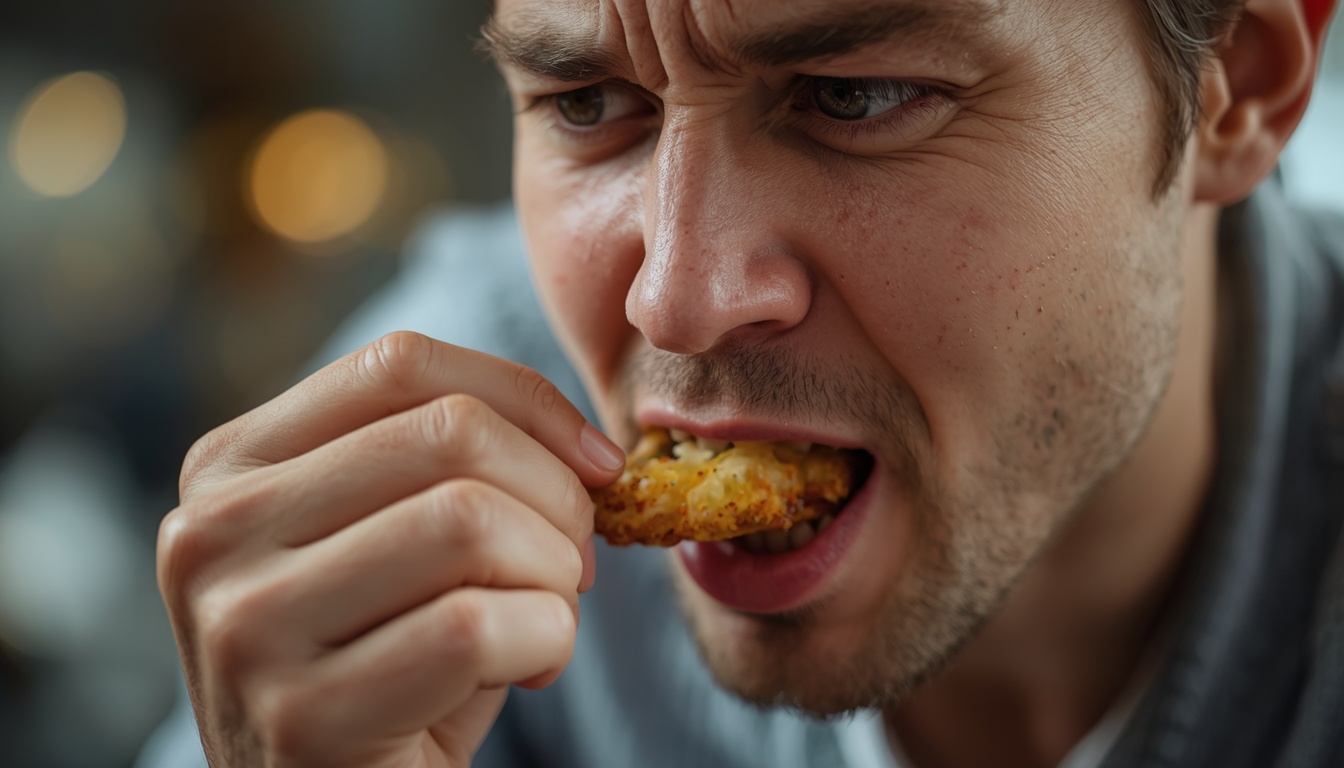
Human thumbs evolved for pinching, hanging, and tool work — not all-day glass screens. Learn how modern grip habits strain the basal joint and how to give opposition the varied load it still expects.
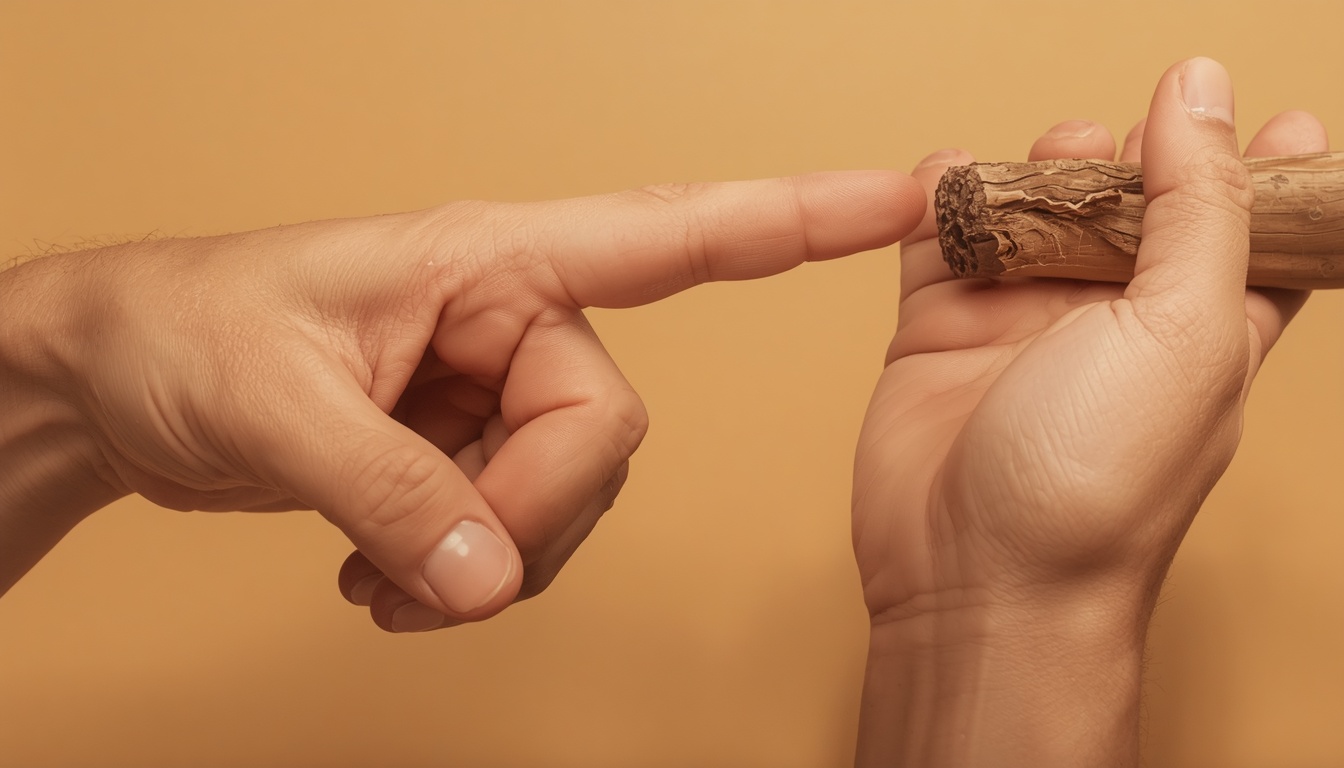
Your thumb is not a fifth finger. It is a short, powerful lever set at an angle so the pad can meet the pads of the other fingers. That meeting — opposition — is one of the quiet masterpieces of human anatomy. It let ancestors pick fruit, flake stone, carry children, and hang from branches they could not fully wrap.
Today the same joint spends hours in a narrow pinch against glass. The architecture did not change. The job description did.
What Thumb Opposition Was Built For
The saddle-shaped joint at the base of the thumb (the first carpometacarpal joint) can flex, extend, abduct, adduct, and rotate. Combined, those motions let the thumb pad face the index and middle fingers in a precision pinch, or wrap with the whole hand in a power grip.
That versatility evolved under mixed daily loads:
- Pinching small objects and fibers
- Hanging and climbing with the fingers flexed and the thumb helping to lock
- Twisting tools, wringing cloth, and opening stubborn food
- Supporting body weight in a hang or a crawl
- Resting open, not parked in one angle for hours
The joint is mobile by design. Mobility without varied load is where modern irritation begins.
The Modern Mismatch
A phone, tablet, or laptop asks the thumb for a short, repeated flexion-adduction arc. The pad taps. The basal joint stays in a semi-flexed, slightly collapsed posture. The big muscles of the forearm that once shared hanging and twisting work sit quiet.
Hours later the same thumb may pinch a pen, a mouse, or a bag handle — still a narrow grip, still little hanging, still little wide-open span.
The tissues that complain first are predictable:
- The capsule and ligaments of the basal joint
- The thenar muscles at the base of the thumb
- The tendons that bend and straighten the thumb
- The web space between thumb and index finger, which shortens when it never has to open
This is not a moral failure of “too much phone.” It is a loading problem: one shape of work, all day, on a joint that expected many shapes.
How the Strain Usually Feels
People describe:
- An ache at the heel of the thumb after scrolling or writing
- A tired web space when opening jars
- A click or grind at the basal joint with certain pinches
- Stiffness first thing in the morning that eases after a few open-close cycles
- Pain when pushing off a chair with the hands
Early on, symptoms fade overnight. If the same pinch is the only job the thumb gets for years, the joint can become crankier — especially in people with a family tendency toward basal thumb arthritis later in life. Varied load will not erase genetics. It can still keep the joint better nourished and the muscles better balanced.
Why Hanging and Pinch Variety Matter
Cartilage and ligaments of the thumb base live on intermittent compression and movement. A hang, a wide grip on a rail, a pinch of a real object with texture, a twist of a jar — each one loads a slightly different slice of the joint surface and asks a different motor unit to work.
Screens remove texture. They also remove the need to stabilize a shifting object. The nervous system gets less information. The joint gets less of the “wring and reach” cycle that keeps synovial fluid moving.
The same story shows up in the rest of the hand. Fingers that only swipe glass lose the texture map discussed in our piece on fingers, texture, and tools. Wrists that never hang lose the traction discussed in wrists that still expect hanging. The thumb is the specialist in that system.
Hidden Triggers
A few modern habits stack strain without looking dramatic:
- Holding a large phone in one hand and stretching the thumb across the screen
- Pinching a tablet for an entire commute
- A tight pen grip with the thumb collapsed inward
- Carrying all grocery bags in a hook grip that never uses opposition
- Sleeping with the thumb tucked tightly into the palm
- Tools with fat or skinny handles that never change
- Never opening the hand fully against a gentle stretch after a desk day
None of these are villains alone. Together they write the same sentence: pinch small, never hang, never spread.
Myths vs Facts
Myth: Thumb pain means you must stop using your hands.
Fact: Hands need use. They need varied use. Rest has a short role during a flare; variety is the long game.
Myth: A rigid thumb brace all day will strengthen the joint.
Fact: A brace can calm an angry flare. Worn constantly, it can also let supporting muscles fade. Use it as a tool, not a lifestyle.
Myth: Only older adults get basal thumb trouble.
Fact: Age raises the odds. Young adults with high-volume pinch work notice irritation too.
Myth: Cracking the thumb joint is what wears it out.
Fact: Habitual high-force pinching in one posture is a more plausible long-term irritant than an occasional pop.
Myth: If it does not hurt during the scroll, it is fine.
Fact: Discomfort often arrives after the session, when the joint is unloaded and inflamed.
How to Give Thumbs the Work They Expect
You do not need to live in a forest. You need a few minutes of the old job description.
Open the web space daily. Gently pull the thumb away from the palm and hold a comfortable stretch. You should feel the fleshy triangle between thumb and index lengthen, not scream.
Change the pinch. Swap hands. Rest the phone on a surface. Use both thumbs instead of one heroic stretch. Put the device down between tasks.
Hang. A bar, a sturdy tree branch, or the edge of a doorframe for short, easy hangs gives the thumb and the rest of the hand traction they rarely get. Start with feet on the ground if a full hang is too much. Shoulders and scapulae like this work too — see why your scapulae still expect you to hang.
Train opposition on purpose. Pinch a folded towel and hold. Pick up coins, clothespins, or smooth stones. Squeeze putty through a full open-to-pinch cycle, not only a crush.
Use tools that vary diameter. A fat mug, a thin pen, a jar lid, a rope. Diameter change is free physical therapy.
Uncurl at night. If you wake with a fist, a soft wrap or a reminder to rest the thumb slightly open can reduce morning stiffness.
Strengthen the opposite of scrolling. Thumb extension — lifting the thumb up off a table — is the motion almost nobody does and almost everybody needs after a screen day.
Small doses beat hero sessions. Two minutes, most days, is more like ancestral variety than one furious workout on Sunday.
When to See a Doctor
Get a clinical look if you notice:
- Swelling or a visible bump at the base of the thumb
- Pain that wakes you or lasts for weeks despite changing habits
- A thumb that collapses inward when you pinch (a “Z” deformity)
- Numbness in the thumb and index that suggests a nerve issue rather than a joint issue
- Sudden inability to bend or straighten the thumb after an injury
A clinician can sort tendon irritation from basal joint wear from nerve entrapment. Early advice is usually activity change, support during flares, and targeted exercise — not automatic procedures.
FAQs
Is “texting thumb” a real diagnosis?
It is a popular label for overuse irritation of the tendons and basal joint. The anatomy is real. The name is informal.
Will a pop socket or phone grip fix this?
Anything that shortens the stretch of one thumb across a large screen helps. It does not replace hanging, opening, and mixed grips.
Are squeeze balls enough?
A ball trains crush grip. Thumbs also need open, pinch, and hang. Rotate tools.
Can children get this?
Heavy one-handed tablet use can tire young thumbs. Variety, outdoor hanging and climbing play, and breaks matter more than gadgets.
Does cracking my thumb cause arthritis?
Evidence does not support that story for ordinary knuckle cracking. Repeated collapsed pinch is the more relevant daily load.
Should I ice my thumb every night?
Ice can soothe a hot flare. For ordinary end-of-day ache, motion, contrast with warm water, and opening the web space usually serve better.
Conclusion
Your thumb is a specialist joint living in a generalist world of glass. It still expects to pinch real objects, hang from something that does not fit in a pocket, and rest wide open between tasks. You do not have to abandon devices. You only have to stop giving the same two centimeters of motion a twelve-hour contract. Open, hang, pinch something with texture, and the old saddle joint remembers why it was built that way.