Why does your scalp hurt when you move your hair after a long day? Discover common causes, biological explanations, hidden triggers, and when to worry
Have you ever reached the end of a long day, taken your hair out of a ponytail, brushed it to one side, or simply run your fingers through it—only to feel an unexpected soreness on your scalp?
The sensation can be surprisingly uncomfortable. It may feel as though your hair itself hurts. Some people describe it as tenderness, while others experience a dull ache, burning sensation, tightness, or even pain when moving their hair in a different direction.
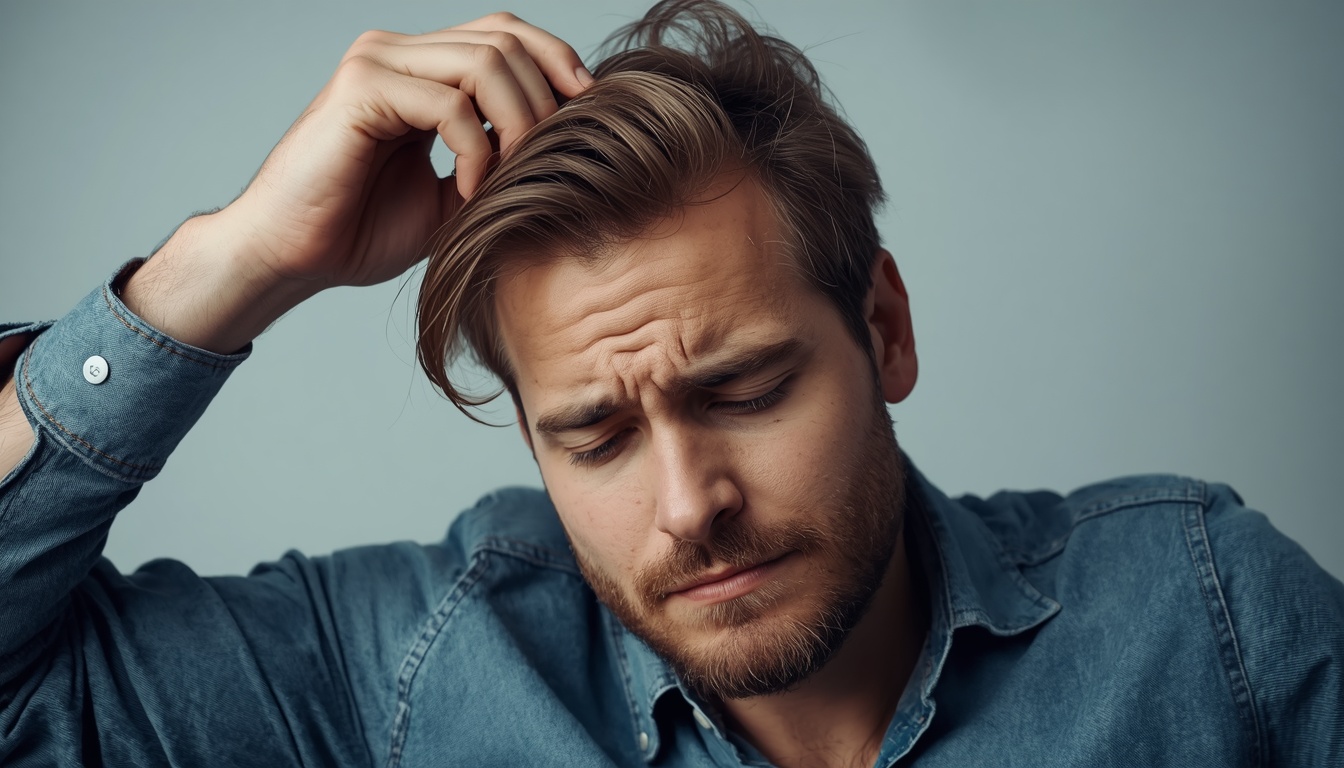
If you've ever wondered, "Why does my scalp hurt when I move my hair after a long day?" you're not alone. This is an extremely common experience, and in most cases, it is not a sign of anything dangerous.
However, understanding why it happens can help you prevent discomfort and recognize when scalp pain might indicate something more serious.
In this article, we'll explore what this symptom feels like, the most common causes, hidden triggers many people overlook, the biological reasons behind scalp tenderness, myths versus facts, and when it's time to seek medical attention.
What Does This Symptom Feel Like?
People describe scalp pain in many different ways. Despite the variety of descriptions, they are often talking about the same phenomenon.
You might experience:
- Pain when moving your hair in a different direction
- Soreness after removing a ponytail or bun
- A tender feeling when touching the scalp
- A burning or tingling sensation
- A feeling that the roots of the hair hurt
- Discomfort while brushing or combing
- Sensitivity when resting your head on a pillow
The discomfort may affect a small area or the entire scalp. Sometimes it lasts only a few minutes, while in other cases it may persist for hours.
Can Hair Actually Feel Pain?
One of the most confusing aspects of this symptom is that it feels like the hair itself hurts.
In reality, hair strands are made of dead protein cells. They do not contain nerves and cannot feel pain.
The pain comes from the scalp and the tissues surrounding the hair follicles.
Each hair follicle is connected to tiny nerves, blood vessels, muscles, and immune cells. When these structures become irritated, inflamed, compressed, or overstimulated, moving the hair can trigger discomfort.
Common Causes of Scalp Pain After a Long Day
Most cases are temporary and related to everyday habits rather than disease.
1. Tight Hairstyles
This is one of the most common causes.
High ponytails, buns, braids, tight clips, and hair extensions continuously pull on hair follicles throughout the day.
Over time, this creates tension on the scalp tissues.
When you finally loosen your hair, the follicles shift position and the nerves surrounding them react, creating soreness.
This is why many people notice scalp pain immediately after removing a ponytail.
2. Scalp Muscle Tension
Stress affects more than your mood.
The scalp contains muscles connected to the forehead and back of the head. These muscles can tighten during periods of stress, concentration, anxiety, or fatigue.
After hours of tension, even minor movement of the scalp and hair can feel uncomfortable.
This mechanism is similar to how neck and shoulder muscles become sore after a stressful day.
3. Wearing Hats, Helmets, or Head Coverings
Pressure on the scalp for extended periods can irritate nerves and blood vessels.
Motorcycle helmets, hard hats, tight caps, headbands, and certain religious or cultural head coverings may contribute to scalp tenderness.
When the pressure is removed, the scalp may remain sensitive for some time.
4. Oil and Sweat Buildup
Throughout the day, your scalp produces oil and sweat.
These substances can accumulate around hair follicles.
When mixed with dirt, styling products, and environmental pollutants, they may irritate the scalp surface and increase sensitivity.
This is especially noticeable after a hot day or intense physical activity.
5. Hair Styling Products
Gels, sprays, mousses, dry shampoos, and other styling products can sometimes leave residue on the scalp.
Even when they don't cause an obvious allergic reaction, they may contribute to mild irritation that becomes noticeable later in the day.
6. Prolonged Hair Positioning
Your hair naturally adapts to the position in which it has been held for hours.
If your hair has remained in one direction all day, moving it in the opposite direction may stimulate sensitive nerve endings around the follicles.
This can create the strange sensation that the roots are sore.
Why This Happens in Your Body
To understand the sensation fully, it helps to look at what is happening beneath the surface.
The scalp is one of the most richly supplied areas of the body when it comes to nerves and blood vessels.
Thousands of sensory nerve endings constantly monitor:
- Pressure
- Touch
- Temperature
- Pain
- Movement
Each hair follicle is surrounded by nerve fibers capable of detecting even subtle hair movement.
When tension, inflammation, pressure, or irritation develops around these follicles, the nerves become more sensitive.
This process is called sensitization.
Once sensitized, normal activities such as brushing your hair, changing hairstyles, or touching your scalp may trigger discomfort.
In simple terms, the nerves become temporarily overreactive.
The longer the scalp has been under tension or irritation, the more noticeable the sensation may become.
Hidden Triggers People Often Ignore
Some causes of scalp tenderness are surprisingly easy to overlook.
Dehydration
Mild dehydration can affect blood flow and tissue health throughout the body, including the scalp.
Many people notice increased headaches, muscle tension, and scalp sensitivity when they haven't consumed enough fluids.
Poor Sleep
Lack of sleep increases the body's sensitivity to pain.
Research shows that sleep deprivation lowers pain thresholds, making normal sensations feel more uncomfortable.
Stress and Anxiety
Emotional stress can trigger muscle tightening, increase inflammatory signaling, and heighten nerve sensitivity.
This combination makes scalp discomfort more likely.
Heavy Hair
Long, thick, or dense hair places more mechanical stress on the scalp.
The additional weight can contribute to follicle tension over time.
Sun Exposure
A mild scalp sunburn can create lingering tenderness that becomes noticeable when moving the hair.
Many people don't realize their scalp has been sun-exposed because the hair partially covers it.
Weather Changes
Some individuals report increased scalp sensitivity during rapid changes in temperature, humidity, or atmospheric pressure.
While the exact mechanisms remain under investigation, nerve sensitivity and blood vessel responses may play a role.
Less Common but More Serious Causes
Although most scalp pain is harmless, certain medical conditions can occasionally be responsible.
Scalp Inflammation
Inflammatory conditions can make the scalp tender and sensitive.
Examples include:
- Seborrheic dermatitis
- Psoriasis
- Eczema
- Folliculitis
These conditions often produce redness, itching, flaking, or visible skin changes.
Migraine Disorders
Many people with migraines experience scalp tenderness before, during, or after an attack.
This phenomenon is known as allodynia.
Even light touch or hair movement may become painful.
Nerve Irritation
Certain nerves in the back of the head and neck can become irritated or compressed.
This may create pain that radiates into the scalp.
The discomfort is often sharp, burning, or electric in nature.
Infections
Bacterial, fungal, or viral infections can affect the scalp.
These are usually accompanied by other symptoms such as:
- Redness
- Swelling
- Pus-filled bumps
- Fever
- Hair loss in affected areas
Autoimmune Conditions
Rarely, autoimmune diseases can cause scalp inflammation and tenderness.
These cases often involve additional symptoms affecting other parts of the body.
Why Does It Often Hurt More at Night?
Many people notice scalp pain most strongly in the evening.
Several factors contribute:
- Tension has accumulated throughout the day
- Hair has remained in the same position for hours
- Sweat and oil buildup peak later in the day
- Fatigue lowers tolerance for discomfort
- You finally become aware of sensations once distractions disappear
During a busy day, the brain filters out many minor sensations. In quiet moments, those sensations become more noticeable.
Myths vs Facts
Myth: Hair itself hurts.
Fact: Hair strands cannot feel pain. The discomfort comes from nerves and tissues surrounding hair follicles.
Myth: Scalp pain always means hair loss is coming.
Fact: Most scalp tenderness is temporary and unrelated to permanent hair loss.
Myth: Washing your hair every day causes scalp pain.
Fact: For many people, proper cleansing reduces irritation rather than causing it.
Myth: Only people with long hair experience this symptom.
Fact: People with short hair can also develop scalp tenderness from tension, inflammation, stress, or pressure.
Myth: Scalp soreness is always harmless.
Fact: While usually benign, persistent or severe pain may occasionally signal an underlying condition that deserves evaluation.
When to Worry: Red Flags
Most scalp soreness after moving your hair is not dangerous.
However, certain symptoms should not be ignored.
Seek medical evaluation if scalp pain occurs alongside:
- Sudden severe headaches
- Significant hair loss
- Open sores or wounds
- Persistent redness or swelling
- Pus or drainage
- Fever
- Vision changes
- Numbness or weakness
- Pain that worsens steadily over time
- Scalp tenderness lasting for weeks
These symptoms may indicate a condition requiring professional assessment.
When to See a Doctor
Consider scheduling a medical appointment if:
- The pain is recurring frequently
- The tenderness interferes with daily life
- You notice patches of hair loss
- The scalp appears inflamed
- Home measures are not helping
- You have accompanying neurological symptoms
- The discomfort continues for several weeks
A healthcare professional can determine whether the cause is simple scalp irritation or something that requires further investigation.
How to Manage or Reduce This Symptom Naturally
Fortunately, many cases improve with simple lifestyle adjustments.
Choose Looser Hairstyles
Avoid keeping your hair tightly pulled back for long periods.
Switching between hairstyles can reduce repetitive stress on the same follicles.
Give Your Scalp Breaks
If you frequently wear ponytails, buns, braids, helmets, or headbands, allow periods when your scalp can relax.
Practice Stress Management
Since stress contributes to muscle tension and nerve sensitivity, relaxation techniques may help.
- Deep breathing
- Meditation
- Walking
- Stretching
- Regular physical activity
Maintain Good Sleep Habits
Adequate sleep helps regulate pain perception and reduces nervous system sensitivity.
Keep the Scalp Clean
Removing excess oil, sweat, and product buildup may decrease irritation in some individuals.
Gentle Scalp Massage
Light massage can improve circulation and reduce muscle tension in certain cases.
The pressure should remain gentle and comfortable.
Stay Hydrated
Maintaining adequate hydration supports healthy skin, circulation, and tissue function throughout the body.
Protect Your Scalp from Excessive Sun Exposure
People with thinning hair or exposed scalp areas may benefit from hats or shade during prolonged outdoor activities.
Can Frequent Scalp Pain Damage Hair?
Occasional scalp soreness does not usually damage hair.
However, repeated tension from very tight hairstyles can eventually contribute to a condition called traction alopecia.
This form of hair loss develops when follicles are subjected to chronic pulling forces.
Preventing excessive tension helps protect both scalp comfort and hair health.
Why Some People Experience It More Than Others
Not everyone's scalp responds the same way.
Factors that may increase sensitivity include:
- Genetics
- Naturally sensitive skin
- Migraine history
- High stress levels
- Inflammatory skin conditions
- Thick or heavy hair
- Sleep deprivation
- Frequent tight hairstyles
These factors can lower the threshold at which scalp nerves begin signaling discomfort.
The Bottom Line
If your scalp hurts when you move your hair after a long day, the most likely explanation is temporary irritation or tension affecting the tissues surrounding your hair follicles.
Despite feeling as though your hair itself is painful, the real source is the highly sensitive network of nerves, blood vessels, muscles, and skin within the scalp.
Common triggers include tight hairstyles, stress, prolonged pressure, sweat buildup, heavy hair, and simple mechanical tension that accumulates over hours.
In most cases, the discomfort is harmless and resolves on its own. Small changes such as reducing hairstyle tension, managing stress, improving sleep, and caring for the scalp can often make a noticeable difference.
At the same time, persistent, severe, or unusual scalp pain deserves medical attention—especially if accompanied by redness, hair loss, infection signs, neurological symptoms, or worsening discomfort.
Your scalp is one of the most nerve-rich areas of the body. Sometimes, after a long day of being pulled, pressed, stressed, and stimulated, it simply lets you know it's ready for a break.