Why does your heart skip a beat when you're calm? Learn common causes, warning signs, body mechanisms, myths, and natural ways to reduce palpitations.
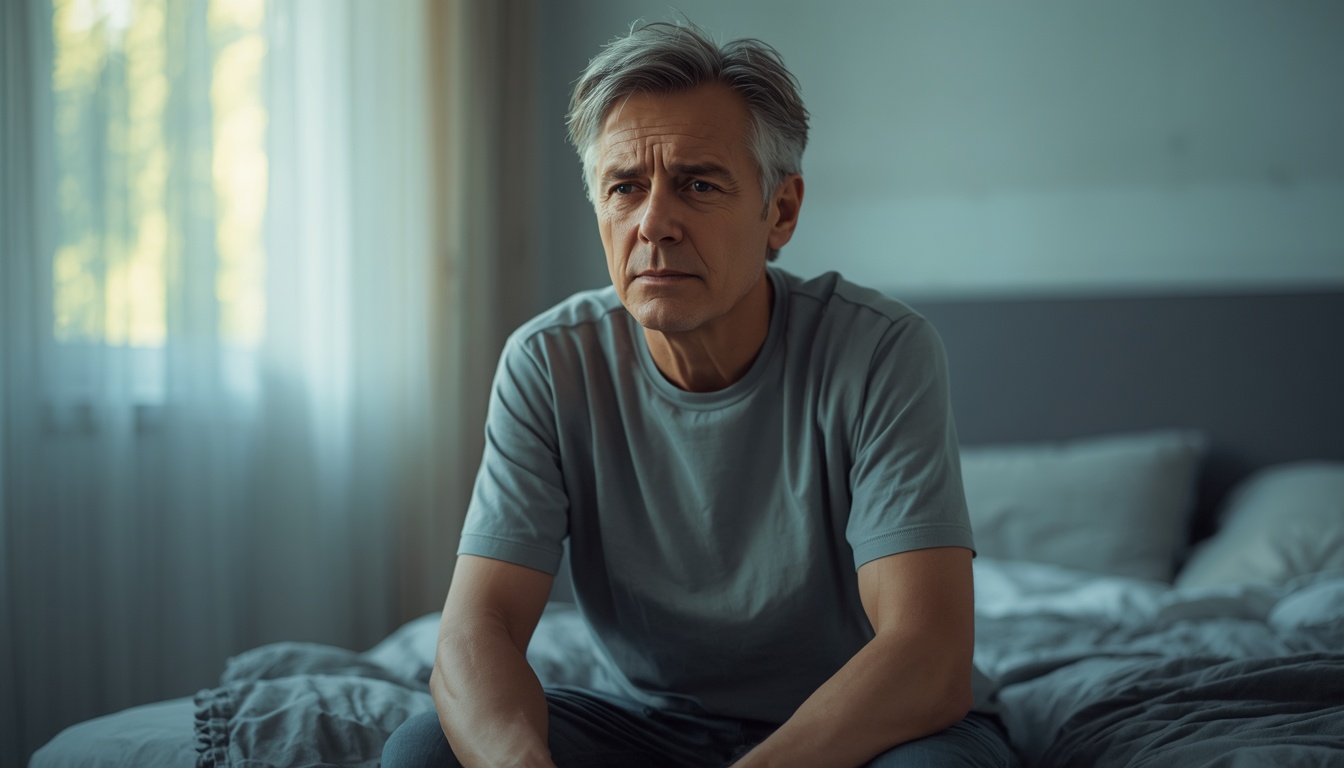
Have you ever been sitting quietly on the couch, reading a book, watching television, or even lying in bed when suddenly your heart seems to “skip” a beat?
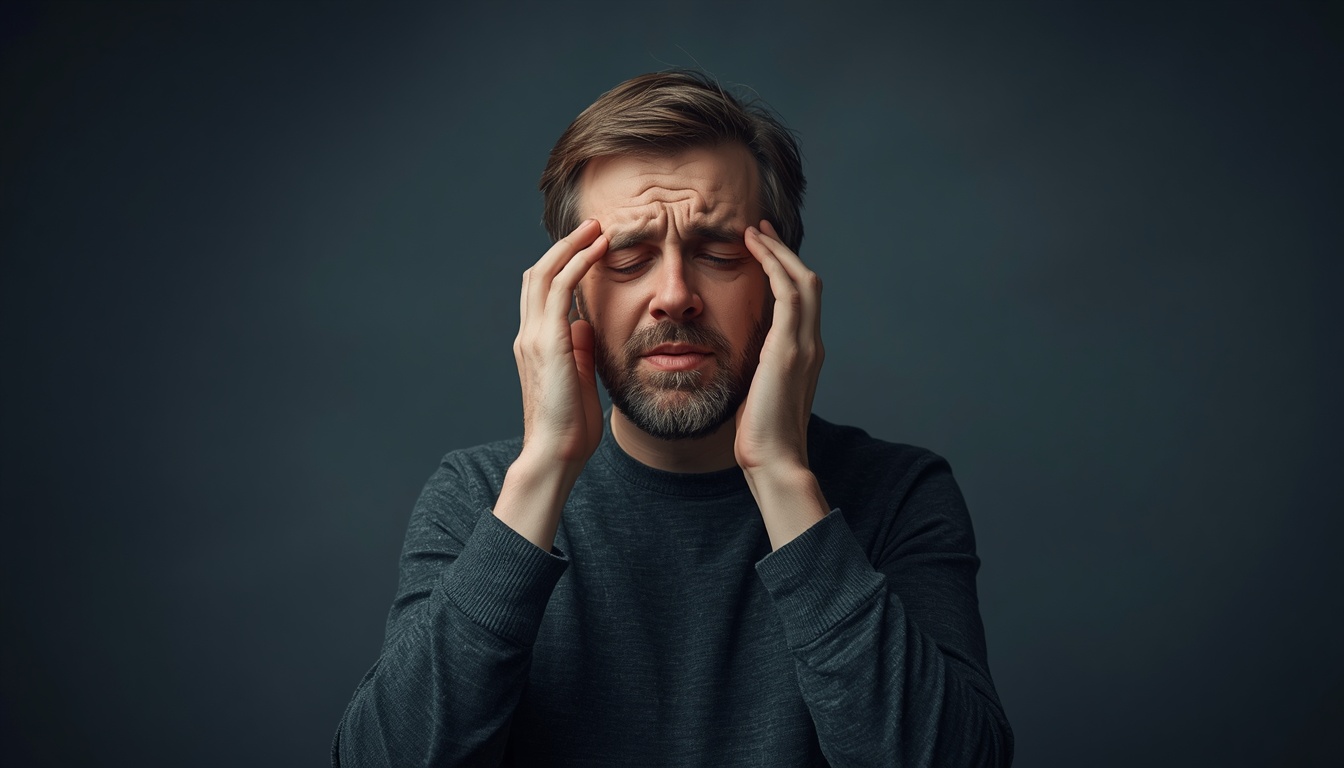
For a brief moment, it may feel as though your heart stopped, fluttered, flipped, or thumped unusually hard in your chest. The sensation often disappears as quickly as it arrived, but the worry can linger for hours.

Many people assume that unusual heart sensations only happen during stress, panic attacks, intense workouts, or emotional excitement. But what if you're completely relaxed? What if you're not anxious, not exercising, and not doing anything strenuous at all?
The good news is that occasional skipped-heartbeat sensations are extremely common and are often harmless. However, in some situations they may signal an underlying issue that deserves medical attention.
Understanding why this happens can help separate normal body quirks from genuine warning signs.
What Does a “Skipped Beat” Actually Feel Like?
Interestingly, the heart usually doesn't literally stop when people describe a skipped beat.
People report sensations such as:
- A sudden pause in the heartbeat
- A fluttering feeling in the chest
- A flip-flop sensation
- A brief sinking feeling
- A hard thump after a pause
- A rapid flutter lasting a few seconds
- A feeling that the heart momentarily stumbled
These sensations are often caused by extra heartbeats or slight changes in the heart's rhythm rather than an actual missed heartbeat.
The reason it feels like a skipped beat is that an unusual beat is often followed by a slightly longer pause. The next heartbeat may then pump more forcefully, creating the sensation of a strong thud in the chest.
How Common Is It?
Far more common than most people realize.
Studies using heart rhythm monitors show that many healthy adults experience occasional irregular heartbeats throughout the day without even noticing them.
Some people feel every minor rhythm change, while others remain completely unaware of thousands of harmless extra beats.
Age, sensitivity to bodily sensations, sleep quality, hydration status, and overall health can all influence how noticeable these events become.
Why This Happens in Your Body
To understand the sensation, it helps to know how the heart normally works.
Your heart contains its own electrical system. A natural pacemaker called the sinoatrial (SA) node generates electrical signals that tell the heart when to contract.
These electrical impulses travel through specialized pathways and coordinate the pumping action of the heart.
Normally, this system operates with remarkable precision.
However, sometimes another area of the heart fires an electrical signal slightly earlier than expected. This creates what doctors call a premature beat.
The sequence usually looks like this:
- An extra heartbeat occurs early.
- The heart doesn't fill completely before that beat.
- The beat feels weak or may not be noticed.
- A brief pause follows.
- The next heartbeat fills with more blood.
- The next contraction feels stronger than normal.
What people often perceive as a skipped beat is actually the stronger beat after the pause.
This is why the sensation can feel dramatic even when the underlying rhythm change is harmless.
The Most Common Cause: Premature Heartbeats
The most frequent explanation for a skipped-beat sensation is a premature heartbeat.
These extra beats generally fall into two categories:
- Premature Atrial Contractions (PACs) – extra beats originating in the upper chambers of the heart.
- Premature Ventricular Contractions (PVCs) – extra beats originating in the lower chambers.
Both can occur in completely healthy individuals.
In many cases they are considered a normal variation of heart rhythm rather than a disease.
Common Causes That Are Usually Harmless
1. Caffeine Sensitivity
Not everyone reacts to caffeine the same way.
Some people can drink several cups of coffee without issue, while others experience noticeable heart flutters after relatively small amounts.
Sources include:
- Coffee
- Tea
- Energy drinks
- Pre-workout supplements
- Certain sodas
- Chocolate
Even if you've consumed caffeine for years, increased sensitivity can develop over time.
2. Lack of Sleep
Poor sleep affects the nervous system and hormonal balance.
Sleep deprivation increases stress hormones and can make the heart's electrical system more prone to minor rhythm disturbances.
Many people notice skipped beats after nights of insufficient sleep.
3. Dehydration
Your heart relies on proper fluid and electrolyte balance.
Even mild dehydration can alter blood volume and influence electrical activity.
Skipped beats may become more noticeable during hot weather, illness, or after heavy sweating.
4. Alcohol Consumption
Alcohol can affect heart rhythm in several ways.
Some individuals experience palpitations after drinking, especially after consuming larger amounts.
This effect is sometimes called "holiday heart syndrome" because it can occur after celebrations involving increased alcohol intake.
5. Stress You Don't Feel Consciously
Many people assume they aren't stressed because they don't feel anxious.
However, the body can experience physiological stress without obvious emotional symptoms.
Work pressure, poor sleep, illness, financial concerns, or chronic mental strain can influence heart rhythm even when you feel calm.
6. Normal Body Variability
Sometimes no trigger is found.
The heart is not a perfectly timed metronome. Small variations in rhythm naturally occur throughout the day.
Occasional extra beats may simply be part of normal human physiology.
Hidden Triggers People Often Ignore
Some overlooked factors can contribute to skipped-heartbeat sensations.
Electrolyte Imbalances
Minerals such as potassium, magnesium, calcium, and sodium help regulate electrical activity in the heart.
Imbalances may occur due to:
- Excessive sweating
- Vomiting
- Diarrhea
- Poor nutrition
- Certain medical conditions
Large Meals
Some individuals notice palpitations after eating large meals.
Digestion changes blood flow patterns and can stimulate nerves that influence heart rhythm.
Acid Reflux
Heartburn and acid reflux can sometimes create sensations that mimic heart palpitations.
In some cases irritation near the esophagus may make heartbeat sensations more noticeable.
Hormonal Changes
Hormonal fluctuations can influence the cardiovascular system.
Changes during menstruation, pregnancy, menopause, or thyroid disorders may increase awareness of heart rhythm irregularities.
Illness and Fever
Even minor infections can temporarily affect heart rate and rhythm.
The body's immune response often alters cardiovascular function while fighting illness.
Certain Supplements and Stimulants
Many people forget to mention supplements when discussing symptoms.
Some products contain stimulant ingredients that may trigger palpitations.
Less Common but More Serious Causes
While occasional skipped beats are usually benign, some cases are linked to underlying medical conditions.
Heart Rhythm Disorders
Certain arrhythmias can produce more frequent or sustained rhythm abnormalities.
Examples include:
- Atrial fibrillation
- Atrial flutter
- Supraventricular tachycardia
- Ventricular arrhythmias
These conditions often involve symptoms beyond a simple occasional skipped beat.
Structural Heart Disease
Problems involving heart muscle, heart valves, or previous heart damage can sometimes increase abnormal rhythms.
Coronary Artery Disease
Reduced blood flow to heart tissue can interfere with normal electrical signaling.
Thyroid Disorders
An overactive thyroid can increase heart sensitivity and trigger palpitations.
Anemia
Low red blood cell levels force the heart to work harder to deliver oxygen throughout the body.
This can sometimes contribute to rhythm awareness.
Why Do Skipped Beats Often Happen at Rest?
This question surprises many people.
If exercise stresses the heart, shouldn't rhythm changes happen mainly during physical activity?
Not necessarily.
When you're sitting quietly or lying in bed, you're often more aware of internal sensations.
Background noise decreases. Movement decreases. Distractions disappear.
A minor heartbeat variation that would go unnoticed during a busy day suddenly becomes obvious.
In addition, changes in autonomic nervous system activity during rest can make premature beats more likely in some individuals.
Can Gas or Digestion Cause a Skipped Beat Feeling?
Surprisingly, digestive issues can sometimes contribute.
The heart and digestive organs share connections through the vagus nerve.
Bloating, indigestion, and stomach distension may occasionally increase awareness of heartbeats or trigger sensations that feel like palpitations.
This doesn't mean the heart is necessarily malfunctioning.
However, any recurring symptom should still be evaluated if uncertainty exists.
Myths vs Facts
Myth: Every skipped beat means heart disease.
Fact: Most occasional skipped beats occur in healthy people and are not dangerous.
Myth: If you're not anxious, stress cannot be responsible.
Fact: Physiological stress can affect the body even when you don't consciously feel anxious.
Myth: Only older adults experience palpitations.
Fact: People of all ages can experience premature heartbeats.
Myth: A skipped beat means the heart actually stopped.
Fact: The sensation usually reflects an early heartbeat followed by a pause.
Myth: Exercise always causes more rhythm problems.
Fact: Many people notice skipped beats more frequently while resting.
When Should You Worry?
Most occasional skipped beats are harmless, but some situations deserve prompt medical evaluation.
Red Flags Include:
- Chest pain
- Pressure or tightness in the chest
- Fainting
- Near-fainting episodes
- Severe dizziness
- Shortness of breath
- Rapid sustained heartbeat
- Symptoms during exercise
- Known heart disease
- Family history of sudden cardiac death
These symptoms may indicate a more significant cardiovascular issue and should not be ignored.
When to See a Doctor
Even without emergency symptoms, a medical evaluation may be appropriate if:
- The episodes are becoming more frequent.
- They last longer than usual.
- You have multiple episodes every day.
- The sensation interferes with daily life.
- You have risk factors for heart disease.
- You are unsure whether the symptom is truly a skipped beat.
A healthcare professional may recommend tests such as:
- Physical examination
- Electrocardiogram (ECG)
- Holter monitor
- Event monitor
- Blood tests
- Echocardiogram
These evaluations help determine whether the rhythm changes are benign or require further investigation.
How to Manage or Reduce This Symptom Naturally
If a healthcare professional has ruled out serious causes, several lifestyle approaches may help reduce skipped-beat sensations.
Improve Sleep Quality
Consistent sleep is one of the most effective ways to support healthy heart rhythm.
- Maintain a regular sleep schedule.
- Limit late-night screen exposure.
- Create a comfortable sleeping environment.
Stay Hydrated
Adequate hydration supports blood volume and proper electrical function.
Pay extra attention during hot weather and physical activity.
Monitor Caffeine Intake
Consider whether symptoms appear after coffee, tea, energy drinks, or stimulant-containing products.
Tracking patterns can reveal useful clues.
Limit Excessive Alcohol
Some people notice significant improvement when reducing alcohol consumption.
Manage Everyday Stress
Stress management isn't only about anxiety.
Helpful practices may include:
- Regular physical activity
- Meditation
- Deep breathing exercises
- Yoga
- Spending time outdoors
- Social connection
Eat Balanced Meals
Consistent nutrition helps support stable energy levels and electrolyte balance.
Avoiding large, heavy meals may also help some individuals.
Track Your Symptoms
A simple symptom journal can identify patterns.
Record:
- Time of day
- Foods consumed
- Sleep quality
- Stress levels
- Physical activity
- Associated symptoms
Patterns often emerge that would otherwise be missed.
Can Anxiety About the Symptom Make It Worse?
Absolutely.
Even when anxiety wasn't the original cause, concern about heart sensations can increase awareness of every heartbeat.
The more attention directed toward the chest, the more noticeable normal rhythm variations become.
This creates a cycle:
- A skipped beat occurs.
- The sensation causes concern.
- Attention shifts toward the heartbeat.
- More sensations are noticed.
- Worry increases.
Understanding the benign nature of many skipped beats often helps break this cycle.
The Bottom Line
A sudden feeling that your heart skipped a beat while you're resting can be startling, especially when you're not anxious, excited, or exercising.
In most cases, the sensation is caused by harmless premature heartbeats that occur in healthy people every day. Factors such as caffeine, poor sleep, dehydration, alcohol, hormonal changes, and subtle stress can make these sensations more noticeable.
That said, persistent symptoms, increasing frequency, or accompanying warning signs such as chest pain, fainting, severe dizziness, or shortness of breath should never be ignored.
Your heart's rhythm is controlled by a sophisticated electrical system that occasionally produces harmless variations. Understanding how and why these sensations occur can replace fear with knowledge and help you recognize when a skipped beat is simply a normal body quirk—and when it deserves medical attention.