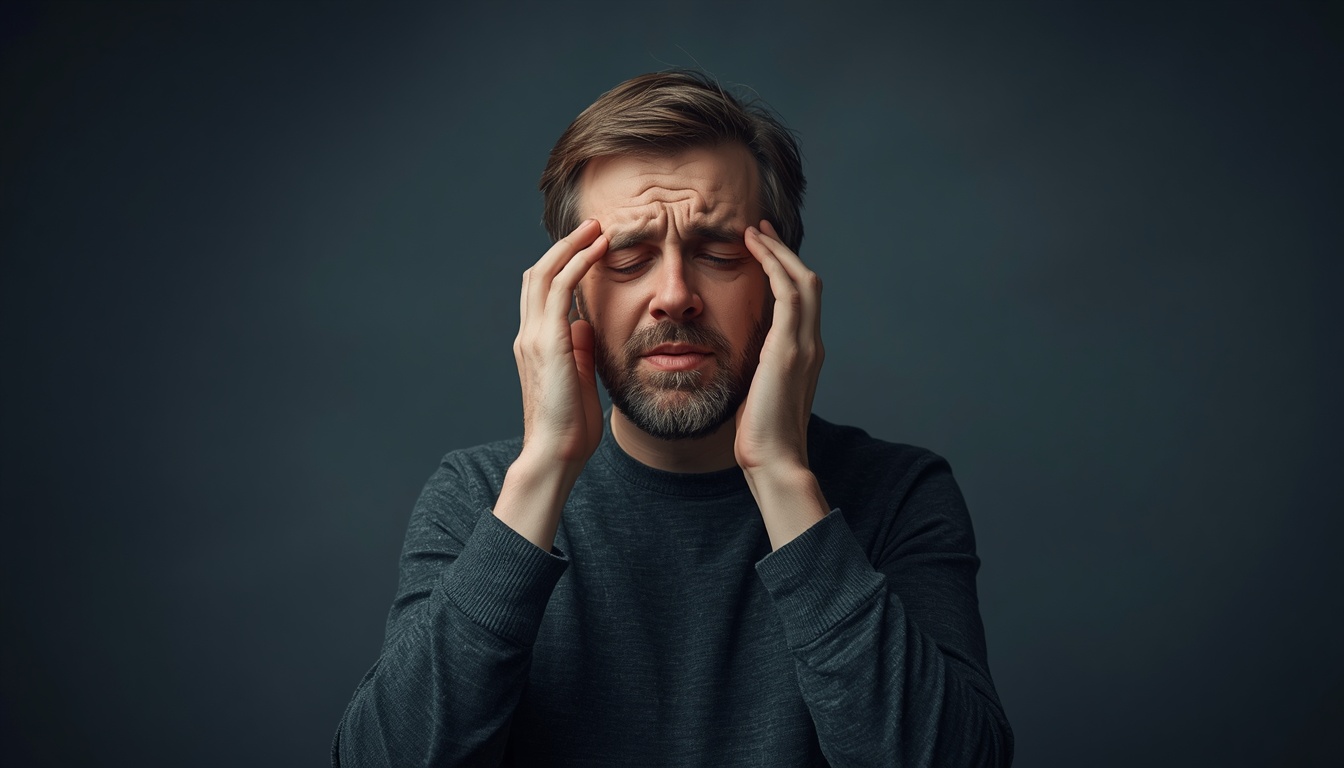
Why does your skin feel like it's crawling when nothing is there? Discover common causes, hidden triggers, biological explanations, red flags, and natural ways to find relief.
Imagine sitting quietly on your couch after a long day when suddenly it feels like something is moving across your arm. You quickly look down. Nothing is there. A few minutes later, the sensation returns—this time on your leg, neck, or scalp. You scratch, check your clothes, and even inspect your surroundings, but there are no insects, no hairs, and no obvious explanation.
For many people, this strange feeling can be unsettling. Some worry they have a skin disease. Others fear a nerve problem or wonder whether they're imagining it. The sensation can be mild and occasional or persistent enough to interfere with sleep, concentration, and peace of mind.
If you've ever wondered, "Why does it feel like my skin is crawling when nothing is there?" you're not alone. This surprisingly common sensation has several possible explanations, ranging from harmless temporary triggers to medical conditions that deserve attention.

In this article, we'll explore what this sensation means, why it happens, what causes it, when to worry, and how you may be able to reduce it naturally.
What Does It Mean When Your Skin Feels Like It's Crawling?
The sensation of something crawling, tingling, prickling, or moving on the skin without any actual physical cause is known medically as formication.
Formication is a type of abnormal skin sensation. People often describe it as:
- Insects crawling on or under the skin
- Tiny bugs walking across the body
- Tingling or prickling sensations
- Something moving through the skin
- Random tickling feelings
- Brief electric-like sensations
The feeling can occur anywhere on the body but is especially common on:
- Arms
- Legs
- Scalp
- Back
- Face
- Neck
Importantly, the sensation feels very real even when there is nothing physically touching the skin.
What This Symptom Feels Like
Not everyone experiences the sensation in the same way.
Some people feel occasional brief episodes lasting only a few seconds. Others experience repeated sensations throughout the day.
Common descriptions include:
- "It feels like an ant is walking on my skin."
- "I keep thinking a bug is crawling on me."
- "I feel tiny movements that disappear when I look."
- "My scalp feels like something is moving through my hair."
- "It's like pins and needles, but not exactly."
These sensations often become more noticeable when:
- Trying to fall asleep
- Sitting still
- Feeling stressed
- Focusing on bodily sensations
- Being in a quiet environment
The fact that the feeling often occurs without visible signs can make it particularly frustrating and confusing.
Why This Happens in Your Body
To understand why your skin can feel like it's crawling when nothing is there, it helps to understand how sensation works.
Your skin contains millions of sensory receptors that constantly collect information about:
- Touch
- Pressure
- Temperature
- Vibration
- Pain
These receptors send signals through nerves to the spinal cord and brain.
Normally, the system works remarkably well. When an insect lands on your arm, receptors detect it and send accurate information to your brain.
However, problems can arise when:
- Nerves become irritated
- Brain processing changes temporarily
- Sensory signals become amplified
- Stress increases body awareness
- Inflammation affects nerve function
In these situations, the brain may interpret abnormal nerve signals as movement, crawling, tingling, or itching—even when no external stimulus exists.
Think of it like static on a phone line. The message reaching the brain becomes distorted, creating sensations that feel real but don't reflect what's actually happening on the skin.
Common Causes of a Crawling Skin Sensation
Most cases are caused by relatively harmless factors rather than serious disease.
1. Stress and Anxiety
Anxiety is one of the most common reasons people experience unexplained skin sensations.
When you're stressed, your nervous system becomes more alert. This heightened state can:
- Increase awareness of normal bodily sensations
- Trigger muscle tension
- Alter nerve sensitivity
- Change blood flow patterns
The result can be tingling, itching, prickling, or crawling feelings.
Many people notice the sensation becomes worse during stressful periods and improves when they relax.
2. Lack of Sleep
Sleep deprivation affects virtually every system in the body, including the nervous system.
Insufficient sleep can:
- Increase nerve irritability
- Amplify sensory perception
- Raise stress hormone levels
- Reduce the brain's ability to filter sensory signals
Even a few nights of poor sleep may make unusual skin sensations more noticeable.
3. Dry Skin
Dry skin may seem like a simple explanation, but it's surprisingly common.
When skin loses moisture, it becomes:
- Irritated
- Sensitive
- Prone to itching
- More reactive to minor stimulation
The resulting sensations may sometimes feel like crawling or movement rather than traditional itching.
4. Temporary Nerve Compression
Everyone has experienced a limb "falling asleep."
This happens when pressure temporarily disrupts nerve signals.
Even mild nerve compression can cause:
- Tingling
- Prickling
- Crawling sensations
- Buzzing feelings
Sitting awkwardly, crossing legs for long periods, or sleeping in unusual positions can trigger these sensations.
5. Caffeine Overload
Too much caffeine can overstimulate the nervous system.
In sensitive individuals, excessive caffeine intake may contribute to:
- Jitteriness
- Anxiety
- Muscle twitching
- Abnormal skin sensations
Energy drinks and highly caffeinated beverages can sometimes make symptoms more noticeable.
6. Intense Exercise Recovery
After strenuous physical activity, nerves and muscles may temporarily behave differently.
Some people experience:
- Tingling
- Itching
- Crawling sensations
- Prickling feelings
These symptoms are usually temporary and resolve as the body recovers.
Hidden Triggers People Often Ignore
Sometimes the cause isn't obvious.
Dehydration
Even mild dehydration can affect nerve and muscle function.
When the body lacks adequate fluids, abnormal sensations may become more likely.
Poor Posture
Hours spent hunched over computers or phones can place pressure on nerves.
This may contribute to strange sensations in the neck, arms, shoulders, and hands.
Nutritional Deficiencies
Certain nutrients help nerves function properly.
Low levels of important vitamins and minerals may contribute to unusual sensations.
Nutritional factors are often overlooked because symptoms can develop gradually.
Hormonal Changes
Hormonal fluctuations can influence the nervous system.
Some individuals notice increased skin sensations during periods of hormonal change.
Environmental Irritants
New detergents, fabrics, skin products, fragrances, or environmental allergens may subtly irritate the skin without causing a visible rash.
The irritation can sometimes be perceived as crawling or tingling.
Less Common but More Serious Causes
Although uncommon, certain medical conditions can contribute to crawling skin sensations.
Peripheral Neuropathy
Peripheral neuropathy occurs when nerves outside the brain and spinal cord become damaged.
Symptoms may include:
- Tingling
- Burning
- Numbness
- Crawling sensations
- Electric shock-like feelings
The feet and hands are often affected first.
Neurological Disorders
Certain disorders affecting the nervous system may alter sensory processing and produce abnormal sensations.
These conditions usually involve additional symptoms beyond crawling skin sensations.
Chronic Kidney or Liver Disease
When organs responsible for filtering waste are not functioning properly, substances can accumulate in the bloodstream.
This may affect nerve function and contribute to itching or unusual sensations.
Severe Vitamin Deficiencies
Significant deficiencies affecting nerve health can sometimes produce persistent abnormal sensations.
These deficiencies often develop gradually over months or years.
Certain Mental Health Conditions
In rare cases, individuals may strongly believe insects are present despite no evidence.
This differs from occasional formication and requires professional evaluation.
Can Anxiety Really Cause a Crawling Skin Sensation?
Yes. Anxiety can absolutely cause sensations that feel remarkably physical.
During stress, the body activates the "fight-or-flight" response.
This response triggers:
- Adrenaline release
- Changes in blood circulation
- Increased nerve sensitivity
- Heightened awareness of bodily sensations
The brain becomes highly focused on detecting potential threats.
As a result, ordinary sensations that would normally go unnoticed may suddenly feel intense, unusual, or alarming.
This doesn't mean the sensation is imaginary. The feeling is real. The difference is that the trigger originates from changes in nervous system activity rather than an external stimulus.
When to Worry: Red Flags
Most cases are harmless, but certain warning signs should not be ignored.
Seek medical evaluation if the sensation is accompanied by:
- Progressive numbness
- Muscle weakness
- Loss of coordination
- Difficulty walking
- Persistent burning pain
- Significant skin changes
- Unexplained weight loss
- Confusion or cognitive changes
- Symptoms that steadily worsen over time
These signs may indicate an underlying condition requiring professional assessment.
Myths vs Facts
Myth: A crawling sensation always means insects are present.
Fact: Many cases result from nerve activity, stress, skin irritation, or other non-insect causes.
Myth: If you can't see a rash, nothing is wrong.
Fact: Nerve-related sensations often occur without visible skin changes.
Myth: It's all in your imagination.
Fact: The sensation is real. The underlying cause may involve nerve signaling rather than a physical object on the skin.
Myth: Only older adults experience this symptom.
Fact: People of all ages can experience crawling skin sensations.
Myth: Stress only affects your emotions.
Fact: Stress can create very real physical symptoms throughout the body, including unusual skin sensations.
How to Manage or Reduce This Symptom Naturally
If no serious medical cause is present, several lifestyle approaches may help reduce symptoms.
Prioritize Sleep
Aim for consistent, restorative sleep.
Healthy sleep supports:
- Nerve function
- Brain processing
- Stress regulation
- Sensory balance
Manage Stress Levels
Reducing chronic stress may significantly decrease symptom intensity.
Helpful approaches include:
- Deep breathing exercises
- Meditation
- Yoga
- Nature walks
- Relaxation techniques
Stay Hydrated
Proper hydration supports healthy nerve and skin function.
Many people underestimate the impact dehydration can have on physical sensations.
Exercise Regularly
Moderate physical activity promotes:
- Healthy circulation
- Nervous system regulation
- Stress reduction
- Better sleep quality
Moisturize Dry Skin
Keeping skin hydrated can reduce irritation and improve comfort.
This is especially important during cold weather or in dry indoor environments.
Limit Excess Stimulants
If symptoms worsen after consuming large amounts of caffeine or energy drinks, reducing intake may help.
Improve Posture
Reducing nerve compression through better posture and regular movement breaks may decrease abnormal sensations.
When to See a Doctor
Consider scheduling a medical evaluation if:
- The sensation persists for weeks or months
- Symptoms are becoming more frequent
- Sleep is affected
- Daily activities are disrupted
- You develop numbness or weakness
- No obvious explanation can be identified
A healthcare professional can evaluate your symptoms, review your medical history, and determine whether additional testing is necessary.
Many causes are manageable once properly identified.
The Surprising Role of the Brain in Skin Sensations
One fascinating aspect of crawling skin sensations is how much interpretation occurs inside the brain.
Your brain constantly receives enormous amounts of sensory information.
Most of it is filtered out automatically.
However, during periods of stress, fatigue, illness, or heightened awareness, the brain may become more sensitive to incoming signals.
This increased sensitivity can make harmless nerve activity feel much more noticeable.
In other words, the sensation isn't necessarily coming from the skin itself. Sometimes the experience is being amplified by the body's sensory processing systems.
This explains why symptoms often become more noticeable at night, during periods of stress, or when people focus intensely on them.
Conclusion
Feeling like your skin is crawling when nothing is there can be strange, distracting, and sometimes frightening. Fortunately, in many cases the cause is not dangerous. Stress, anxiety, sleep deprivation, dry skin, temporary nerve irritation, dehydration, and other everyday factors commonly contribute to these sensations.
The feeling itself is real, even when no physical trigger exists. It often arises because nerves or the brain's sensory processing systems are interpreting signals differently than usual.
While most cases are harmless and temporary, persistent symptoms or symptoms accompanied by numbness, weakness, pain, or other neurological changes deserve medical attention.
Understanding why the sensation occurs can reduce fear and help you recognize when simple lifestyle adjustments may be enough—and when professional evaluation is the smarter choice.
Your body constantly communicates through sensations. Sometimes those signals are straightforward. Other times, they can feel mysterious. Learning how and why these sensations occur is often the first step toward finding reassurance and relief.