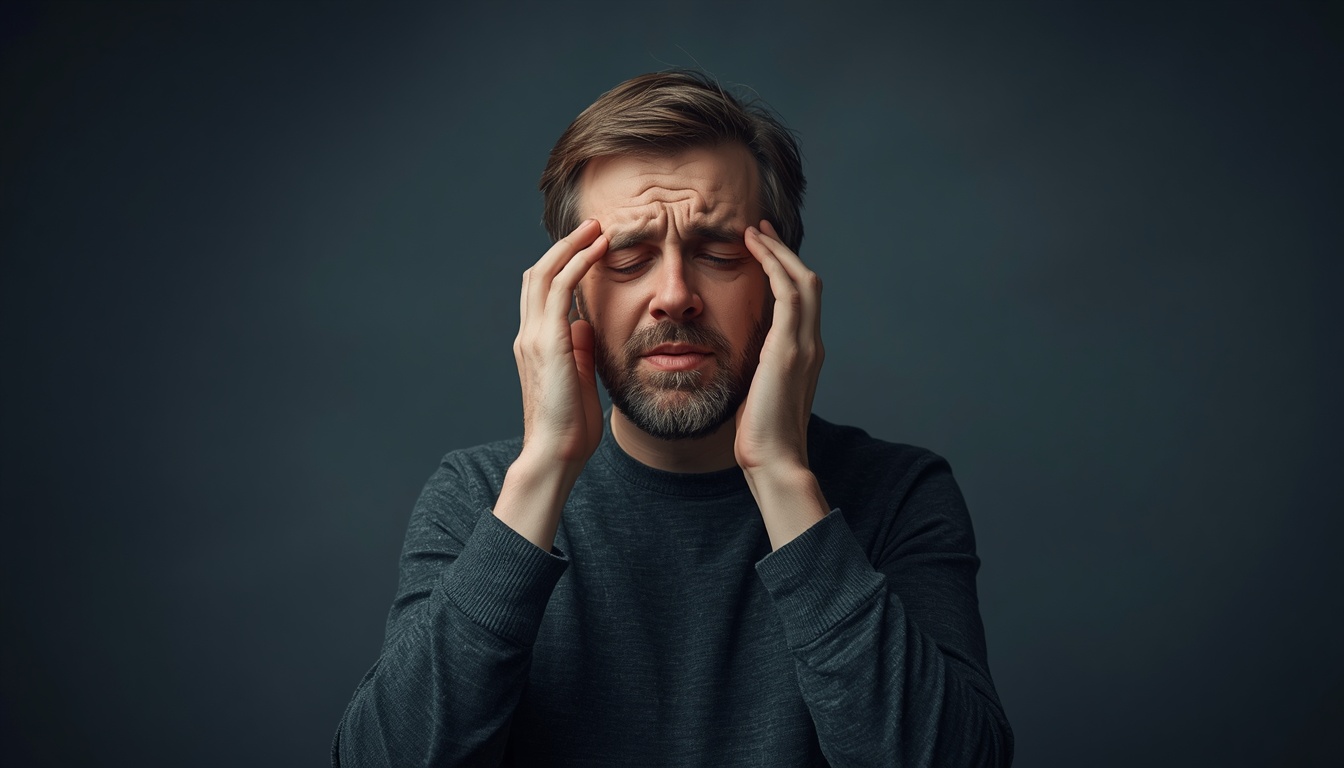
Experiencing brief sharp pains in random parts of your body? Learn common causes, warning signs, biological explanations, myths, and natural ways to reduce them.
Have you ever been sitting quietly, working at your desk, watching television, or trying to fall asleep when a sudden sharp pain shoots through your arm, leg, chest, finger, scalp, or some other seemingly random part of your body?
The pain may last only a few seconds. It arrives without warning, feels surprisingly intense, and then disappears as quickly as it came. Moments later, you're left wondering: What was that?
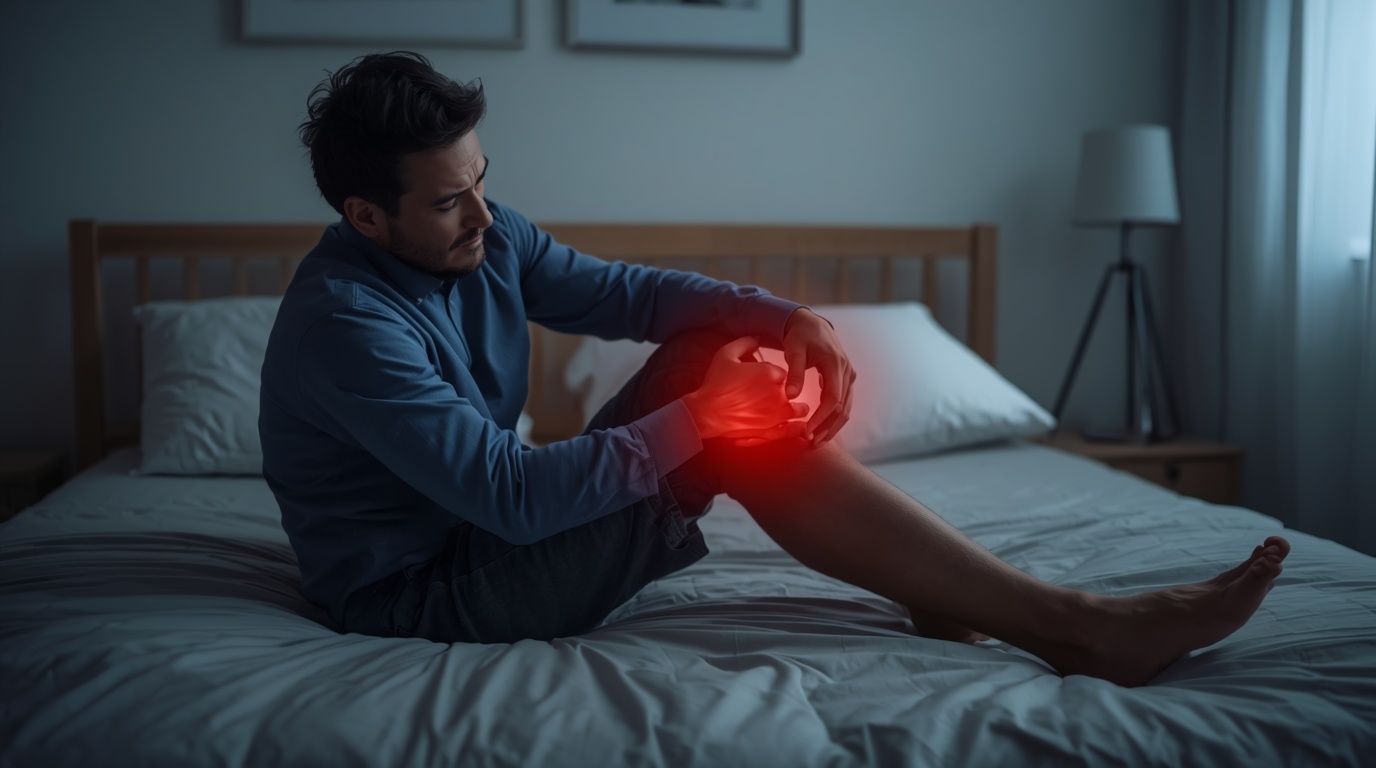
Many people experience brief, sharp pains that seem to occur randomly throughout the body. Because these pains often come and go so quickly, they can be confusing and sometimes frightening. The good news is that in many cases, these fleeting pains are harmless and related to normal nerve activity, muscle tension, posture issues, or temporary body changes.
However, not every sharp pain should be ignored. Sometimes sudden pains can signal underlying health conditions that deserve medical attention.
In this article, we'll explore what these random sharp pains feel like, why they happen, common causes, hidden triggers, warning signs, and what you can do to reduce them naturally.
What Does This Symptom Feel Like?
People describe these sensations in many different ways:
- A quick stabbing pain
- A sudden electric shock sensation
- A needle-like jab
- A brief burning pain
- A sharp pinch under the skin
- A lightning-like pain that lasts seconds
- A sudden painful twitch in a muscle
These pains may occur in:
- Arms
- Legs
- Hands
- Feet
- Chest
- Back
- Neck
- Face
- Scalp
- Abdomen
- Fingers and toes
One of the most puzzling aspects is that the location often changes. A sharp pain in the shoulder today may appear in the calf tomorrow and in a finger next week.
This randomness often makes people worry that something serious is happening throughout their body.
Are Brief Sharp Pains Common?
Yes.
Most healthy people occasionally experience sudden, short-lived pains somewhere in the body. In fact, the nervous system is constantly sending and receiving signals. Sometimes these signals become temporarily exaggerated, misinterpreted, or triggered without an obvious injury.
Because pain is the body's warning system, even a harmless signal can feel alarming.
The key question is not whether the pain occurs, but how often it happens, how severe it is, and whether other symptoms accompany it.
Why This Happens in Your Body
To understand these random pains, it helps to understand how pain works.
Your body contains millions of sensory nerve endings that constantly monitor your environment. These nerves detect:
- Pressure
- Temperature
- Stretching
- Inflammation
- Tissue damage
- Chemical changes
When something stimulates these nerve endings, electrical signals travel through nerves to the spinal cord and brain.
The brain then interprets these signals as pain.
Sometimes a nerve fires briefly even when no injury is occurring. Think of it like a tiny electrical glitch in a complex wiring system.
Other times, muscles, tendons, or connective tissues become slightly irritated and generate short-lived pain signals.
Because the body contains thousands of nerves and muscles, these brief sensations can occur almost anywhere.
Most of the time, the signal fades quickly because no ongoing injury exists.
Common Causes of Brief Sharp Pains
1. Minor Nerve Irritation
Nerves are highly sensitive structures.
Even slight compression, stretching, or irritation can create sudden sharp sensations.
Examples include:
- Sitting in one position too long
- Crossing your legs
- Sleeping awkwardly
- Leaning on an arm
- Poor posture
When pressure on a nerve changes suddenly, a brief stabbing sensation may occur.
2. Muscle Tension and Micro-Spasms
Muscles constantly contract and relax throughout the day.
Sometimes tiny muscle fibers spasm unexpectedly.
This can produce:
- Sharp pinching sensations
- Sudden jabs
- Localized pain lasting seconds
Stress, dehydration, fatigue, and prolonged sitting commonly contribute to these muscle reactions.
3. Poor Posture
Modern lifestyles place tremendous strain on the body.
Hours spent:
- Looking at phones
- Using computers
- Sitting in chairs
- Driving
can create tension in muscles, joints, and nerves.
The resulting strain may cause sudden sharp pains in seemingly unrelated body areas.
4. Temporary Circulation Changes
Blood flow changes throughout the day.
When circulation shifts after sitting, standing, stretching, or changing positions, nerves may temporarily react.
This can create quick sensations such as:
- Tingling
- Pins and needles
- Brief stabs of pain
5. Stress and Anxiety
Many people underestimate the physical effects of stress.
When stressed, the nervous system becomes more alert.
This heightened sensitivity can cause people to notice sensations that would normally go unnoticed.
Stress may also increase:
- Muscle tension
- Nerve sensitivity
- Pain perception
- Body awareness
The result can be frequent random aches, stabs, and sharp pains.
6. Exercise and Physical Activity
After exercise, muscles repair microscopic damage caused by physical activity.
During recovery, occasional brief pains may occur as tissues heal and adapt.
This is especially common after:
- Weight training
- Running
- Sports
- Long hikes
- Unusual physical exertion
7. Growth and Aging Changes
As people age, tissues become less flexible and more susceptible to minor irritation.
Joint cartilage, tendons, muscles, and nerves all undergo gradual changes.
These normal biological processes may contribute to occasional sharp pains.
Hidden Triggers People Often Ignore
Some everyday habits quietly increase the likelihood of random sharp pains.
Dehydration
Even mild dehydration can affect muscles and nerves.
Insufficient fluid intake may increase muscle cramps and nerve irritability.
Poor Sleep
Sleep is when the nervous system restores itself.
Inadequate sleep can increase pain sensitivity and muscle tension.
Vitamin and Mineral Imbalances
The nervous system relies on proper nutrition.
Deficiencies affecting nerve and muscle function can contribute to unusual sensations.
Excessive Caffeine
Large amounts of caffeine may increase nervous system excitability in some individuals.
This can occasionally lead to muscle twitching or unusual sensations.
Long Periods of Inactivity
Sitting for extended periods can create:
- Muscle stiffness
- Nerve compression
- Reduced circulation
All of these may contribute to sudden pains.
Repetitive Movements
Typing, gaming, texting, and repetitive work activities can irritate muscles and nerves over time.
Less Common but More Serious Causes
Although many cases are harmless, brief sharp pains can sometimes be associated with medical conditions.
Nerve Disorders
Conditions affecting nerve function may cause sudden electric-like pains.
Examples include nerve inflammation, nerve injury, or disorders affecting nerve signaling.
Autoimmune Conditions
Certain autoimmune diseases can affect nerves, muscles, and connective tissues.
This may produce intermittent pain episodes.
Vitamin Deficiency-Related Nerve Problems
Long-term nutritional deficiencies can sometimes affect nerve health and contribute to unusual sensations.
Fibromyalgia
Fibromyalgia is associated with altered pain processing in the nervous system.
People with this condition may experience widespread body pains, including sudden sharp sensations.
Circulatory Disorders
Problems affecting blood vessels can occasionally contribute to pain, especially in the limbs.
Neurological Conditions
Certain disorders affecting the brain, spinal cord, or peripheral nerves can produce brief painful episodes.
Fortunately, these conditions are much less common than benign causes.
When to Worry: Important Red Flags
Most brief random pains are harmless.
However, some symptoms warrant prompt medical evaluation.
Seek medical attention if sharp pains are accompanied by:
- Weakness in an arm or leg
- Loss of sensation
- Persistent numbness
- Difficulty speaking
- Vision changes
- Loss of balance
- Fainting
- Chest pressure
- Shortness of breath
- Unexplained weight loss
- Persistent fever
- Progressively worsening symptoms
- Pain that repeatedly occurs in the same location
These signs suggest that the pain may be part of a larger medical issue rather than a harmless temporary event.
Myths vs Facts
Myth: Every sharp pain means something is seriously wrong.
Fact: Most brief pains are caused by temporary nerve or muscle activity and are not dangerous.
Myth: Pain that lasts only seconds can't be real.
Fact: Very short pain signals are real and often originate from nerves.
Myth: Random pains always indicate poor circulation.
Fact: Many causes involve muscles, nerves, posture, stress, or normal body processes.
Myth: Young healthy people never experience unexplained pains.
Fact: People of all ages occasionally experience brief unexplained pains.
Myth: If tests are normal, the pain must be imaginary.
Fact: Many genuine sensations occur without detectable disease.
When to See a Doctor
Consider scheduling a medical evaluation if:
- The pains are becoming more frequent
- The intensity is increasing
- Symptoms interfere with daily life
- The pain consistently occurs in one area
- Numbness or weakness develops
- You have concerns about an underlying condition
A healthcare professional can review your symptoms, medical history, physical examination findings, and determine whether further evaluation is necessary.
How to Manage or Reduce This Symptom Naturally
Many people find that simple lifestyle improvements reduce the frequency of random sharp pains.
Stay Physically Active
Regular movement improves:
- Circulation
- Joint mobility
- Muscle flexibility
- Nerve health
Improve Posture
Pay attention to how you sit, stand, and work.
Good posture reduces unnecessary stress on nerves and muscles.
Take Movement Breaks
Avoid remaining in one position for hours.
Frequent movement can reduce nerve compression and muscle stiffness.
Prioritize Sleep
Quality sleep supports nervous system recovery and healthy pain processing.
Manage Stress
Relaxation practices may reduce muscle tension and nervous system overactivity.
Examples include:
- Deep breathing
- Meditation
- Yoga
- Walking outdoors
- Mindfulness practices
Stay Hydrated
Proper hydration supports muscle and nerve function throughout the body.
Eat a Balanced Diet
Nerves and muscles require adequate nutrients to function properly.
A varied diet rich in whole foods supports overall neurological health.
Reduce Repetitive Strain
If your work involves repetitive motions, take breaks and vary movements whenever possible.
Can Anxiety Really Cause Random Sharp Pains?
Yes.
Anxiety affects both the mind and body.
When the nervous system enters a heightened state of alertness, muscles tighten and sensory awareness increases.
This can make ordinary bodily sensations feel stronger or more noticeable.
Additionally, chronic stress can create real physical tension that contributes to brief painful sensations.
This does not mean the pain is imagined. The pain is real, but the trigger may be related to nervous system sensitivity rather than injury.
Why Random Pains Often Feel Scarier Than Constant Pain
Humans naturally fear the unknown.
A sore muscle after exercise makes sense because there is an obvious explanation.
Random pain feels different.
It appears unexpectedly, lacks an obvious cause, and disappears before it can be investigated.
This unpredictability often creates more anxiety than the pain itself.
Ironically, worrying about the pain can increase body awareness, making future sensations more noticeable.
The Bottom Line
Brief sharp pains that appear in random parts of the body are surprisingly common. In most cases, they result from harmless causes such as minor nerve irritation, muscle tension, posture issues, temporary circulation changes, stress, or everyday physical activity.
Your nervous system is an incredibly complex communication network. Occasionally, it produces short-lived signals that feel dramatic but are not dangerous.
That said, persistent, worsening, or recurrent pains—especially when accompanied by weakness, numbness, breathing difficulties, neurological symptoms, or other warning signs—deserve medical attention.
For most people, maintaining good posture, staying active, managing stress, sleeping well, staying hydrated, and paying attention to overall health can significantly reduce these mysterious sensations.
The next time a sudden sharp pain appears and vanishes in seconds, remember that your body is constantly communicating. Most of the time, these fleeting messages are simply part of the fascinating complexity of being human rather than a sign of something serious.