
Why does your stomach make loud noises even when you're not hungry? Discover common causes, hidden triggers, warning signs, and natural ways to reduce stomach growling.
Have you ever sat in a quiet classroom, office meeting, movie theater, or even on a first date when suddenly your stomach lets out a loud growl that seems loud enough for everyone in the room to hear?
You quickly wonder, “But I’m not even hungry. Why is my stomach making so much noise?”
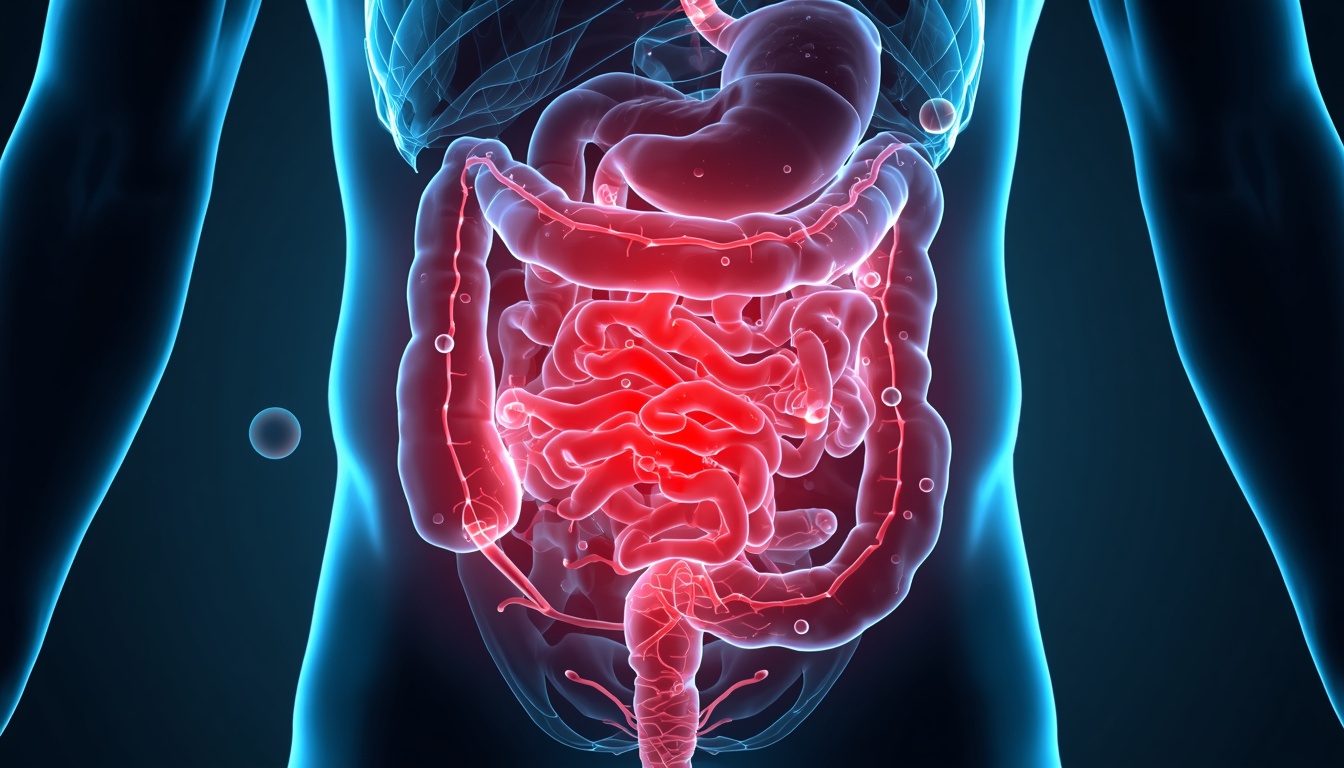
For many people, loud stomach noises can be embarrassing, confusing, and sometimes even worrying. Most of us associate stomach growling with hunger, but the truth is that your digestive system can create surprisingly loud sounds for many reasons that have nothing to do with needing food.
In most cases, these noises are completely normal and simply reflect the constant activity happening inside your digestive tract. However, in some situations, unusually loud stomach sounds may signal an underlying digestive issue that deserves attention.
In this article, we'll explore why stomach noises occur, what they mean, common and uncommon causes, hidden triggers most people overlook, warning signs to watch for, and practical ways to reduce excessive stomach sounds naturally.
What Does This Symptom Feel Like?
Loud stomach noises are often described as:
- Growling sounds
- Rumbling sensations
- Gurgling noises
- Bubbling sounds
- Churning feelings in the abdomen
- Occasional popping or sloshing sounds
Medical professionals often refer to these sounds as borborygmi (pronounced bor-boh-RIG-my). While the name sounds complicated, it simply refers to noises produced by movement inside the digestive tract.
Sometimes the sounds are barely noticeable. Other times they can be surprisingly loud and audible to people nearby.
You may notice them:
- During quiet moments
- After eating
- Several hours after meals
- While lying in bed
- During stress or anxiety
- After drinking certain beverages
The noises may occur with or without hunger, and they may or may not be accompanied by bloating, gas, or abdominal discomfort.
Why This Happens in Your Body
To understand stomach noises, it helps to know that your digestive system is never truly at rest.
Even when you're not eating, muscles throughout your stomach and intestines continue contracting rhythmically. These contractions help move fluids, digestive juices, air, and partially digested food through the digestive tract.
Think of your intestines as a long muscular tube. Whenever these muscles squeeze and relax, they push contents forward.
When gas and liquid move through narrow sections of the intestines, vibrations occur. These vibrations create the familiar rumbling and growling sounds you hear.
The sounds become louder when:
- There is more gas present
- The intestines are particularly active
- The stomach is relatively empty
- The abdominal cavity amplifies the sound
Interestingly, your digestive system performs a special cleaning cycle called the migrating motor complex (MMC) between meals.
This housekeeping process sweeps leftover food particles, bacteria, and digestive debris through the intestines. The stronger contractions produced during this cleaning cycle often generate noticeable growling sounds—even when you're not hungry.
The Science Behind Stomach Growling
Many people believe stomach growling happens because the stomach is empty and rubbing against itself. That's not quite accurate.
The real source of the noise is the movement of:
- Air
- Liquid
- Digestive secretions
- Food residue
- Intestinal gas
When muscles squeeze these materials through the digestive tract, sounds are produced.
An empty stomach often makes noises seem louder because there is less food available to dampen the sound waves.
In other words, the noise-producing activity is always happening. You simply notice it more under certain circumstances.
Common Causes of Loud Stomach Noises
Most stomach noises are harmless and related to normal digestive processes.
1. Normal Digestion
Your digestive tract constantly moves materials forward. This natural movement alone can create noticeable sounds.
Many healthy people experience loud stomach noises every day without any medical problem.
2. Swallowed Air
People often swallow air without realizing it.
Common causes include:
- Eating too quickly
- Talking while eating
- Chewing gum
- Drinking through straws
- Smoking
- Frequent sipping of beverages
Extra air entering the digestive tract increases the likelihood of rumbling and gurgling sounds.
3. Gas Production
Bacteria living in your intestines help digest certain foods.
During this process, they produce gases such as:
- Hydrogen
- Methane
- Carbon dioxide
The movement of these gases often contributes to audible stomach noises.
4. Eating Certain Foods
Some foods naturally increase intestinal gas production.
Examples include:
- Beans
- Lentils
- Broccoli
- Cabbage
- Onions
- Whole grains
- Artificial sweeteners
These foods are generally healthy but may temporarily increase digestive sounds.
5. Carbonated Drinks
Soda, sparkling water, and other fizzy beverages introduce additional gas into the digestive system.
The bubbles eventually move through the intestines, creating rumbling and gurgling sounds.
6. Hunger Signals
Although stomach noises are not always related to hunger, hunger can certainly trigger them.
When the brain senses that food is needed, hormones stimulate digestive muscle contractions, which can create louder sounds.
7. Stress and Anxiety
Your brain and digestive system communicate constantly through the gut-brain axis.
Stress can significantly alter digestive activity.
Some people notice:
- Increased stomach growling
- More intestinal movement
- Bloating
- Loose stools
- Digestive discomfort
This is one reason stomach noises often seem louder during exams, interviews, presentations, or emotionally stressful situations.
Hidden Triggers People Often Ignore
Several overlooked factors can contribute to excessive stomach noises.
Irregular Eating Patterns
Skipping meals can increase activity of the migrating motor complex, leading to louder digestive sounds.
Artificial Sweeteners
Sugar substitutes such as sorbitol, mannitol, and xylitol may cause increased gas production in some individuals.
High-Fiber Diet Changes
Suddenly increasing fiber intake can temporarily increase intestinal fermentation and gas production.
Poor Sleep
Sleep deprivation may affect gut motility and digestive hormone regulation.
Large Meals
Eating very large meals can stimulate stronger digestive contractions afterward.
Excessive Caffeine
Coffee and other caffeinated beverages may stimulate intestinal activity, making stomach noises more noticeable.
Dehydration
Insufficient hydration can sometimes alter digestive efficiency and bowel movements.
Digestive Conditions That Can Cause Loud Stomach Noises
While most stomach sounds are harmless, some digestive disorders can make them more frequent or pronounced.
Irritable Bowel Syndrome (IBS)
IBS affects communication between the gut and nervous system.
Symptoms may include:
- Abdominal pain
- Bloating
- Gas
- Diarrhea
- Constipation
- Loud intestinal sounds
Food Intolerances
When the body struggles to digest certain foods, fermentation increases.
Common examples include:
- Lactose intolerance
- Fructose intolerance
- Sensitivity to certain carbohydrates
This can result in gas, bloating, and increased stomach noises.
Small Intestinal Bacterial Overgrowth (SIBO)
SIBO occurs when excessive bacteria populate portions of the small intestine.
This may lead to:
- Gas production
- Bloating
- Abdominal discomfort
- Frequent digestive sounds
Celiac Disease
In susceptible individuals, gluten consumption can damage the small intestine and interfere with nutrient absorption.
Digestive symptoms may include increased intestinal noises, bloating, and diarrhea.
Less Common but More Serious Causes
Although uncommon, certain medical conditions can produce abnormal bowel sounds.
Partial Intestinal Obstruction
A narrowing or blockage in the intestines may create unusually loud, high-pitched sounds as the bowel attempts to push contents through.
This condition requires medical evaluation.
Inflammatory Bowel Disease (IBD)
Conditions such as:
- Crohn's disease
- Ulcerative colitis
Can alter bowel function and produce digestive symptoms including unusual intestinal noises.
Severe Gastrointestinal Infections
Certain infections may temporarily increase intestinal activity, causing pronounced rumbling and gurgling.
Malabsorption Disorders
Conditions that impair nutrient absorption may result in excessive fermentation and gas production.
Myths vs Facts About Stomach Noises
Myth: Stomach growling always means you're hungry.
Fact: Many stomach sounds occur independently of hunger and simply reflect normal digestive activity.
Myth: Loud stomach noises mean something is seriously wrong.
Fact: Most stomach noises are completely normal and harmless.
Myth: Healthy digestion should be silent.
Fact: A healthy digestive tract naturally produces sounds throughout the day.
Myth: Only the stomach creates these noises.
Fact: Much of the sound actually originates from the small and large intestines.
Myth: Gas is always caused by unhealthy eating.
Fact: Many nutritious foods naturally produce gas during digestion.
When to Worry: Red Flags That Need Attention
Most stomach noises are harmless. However, certain symptoms warrant medical evaluation.
Seek medical advice if loud stomach noises occur alongside:
- Persistent abdominal pain
- Severe bloating
- Unexplained weight loss
- Chronic diarrhea
- Persistent constipation
- Blood in stool
- Frequent vomiting
- Difficulty eating
- Signs of dehydration
- Fever
These symptoms may indicate an underlying digestive disorder requiring professional assessment.
When to See a Doctor
You should consider seeing a healthcare professional if:
- Symptoms persist for several weeks
- The noises are becoming progressively worse
- Digestive discomfort interferes with daily life
- You notice major changes in bowel habits
- Eating triggers significant symptoms
- You experience recurring abdominal pain
A medical evaluation can help identify food intolerances, digestive disorders, inflammatory conditions, or other causes.
How to Manage or Reduce This Symptom Naturally
If stomach noises are bothersome, several lifestyle strategies may help reduce them.
Eat Regular Meals
Long gaps between meals can increase digestive cleaning contractions that produce growling sounds.
Maintaining regular eating patterns may help.
Slow Down While Eating
Eating more slowly reduces swallowed air and may decrease gas-related noises.
Stay Hydrated
Proper hydration supports healthy digestion and bowel function.
Identify Trigger Foods
Pay attention to foods that consistently increase bloating or stomach noises.
Keeping a food diary may help reveal patterns.
Reduce Carbonated Beverages
Cutting back on fizzy drinks can reduce excess gas entering the digestive tract.
Manage Stress
Because stress affects digestive activity, relaxation techniques may be helpful.
Examples include:
- Deep breathing
- Meditation
- Yoga
- Regular physical activity
Exercise Regularly
Physical activity supports healthy intestinal movement and may reduce bloating.
Avoid Excessive Gum Chewing
Chewing gum often increases swallowed air.
Improve Sleep Quality
Consistent, restorative sleep supports overall digestive health.
Can Stomach Noises Ever Be a Good Sign?
Surprisingly, yes.
Digestive sounds often indicate that the intestines are actively moving contents through the digestive tract as intended.
In hospitals, healthcare providers frequently listen for bowel sounds because their presence can indicate ongoing intestinal activity.
A completely silent abdomen may sometimes be more concerning than a mildly noisy one.
Therefore, occasional rumbling and gurgling are usually signs that the digestive system is functioning normally.
The Bottom Line
If your stomach makes loud noises even when you're not hungry, you're far from alone. Most of the time, these sounds are simply the result of normal digestive activity, movement of gas and fluids, and the natural housekeeping processes of the intestines.
Factors such as swallowed air, stress, carbonated beverages, dietary choices, and digestive sensitivity can all make stomach sounds more noticeable. While the noises can sometimes feel embarrassing, they are usually harmless and often reflect a healthy, active digestive system.
However, if stomach noises are accompanied by persistent pain, unexplained weight loss, significant bowel changes, blood in the stool, or other concerning symptoms, it is important to seek medical evaluation.
Understanding what causes these sounds can replace anxiety with reassurance. In many cases, your noisy stomach isn't warning you of a problem—it's simply reminding you that your digestive system is constantly at work, even when you're not thinking about food.