Uncover why random goosebumps occur without cold or emotion. Explore causes, body science, red flags, and management tips in this complete, reassuring guide to piloerection.
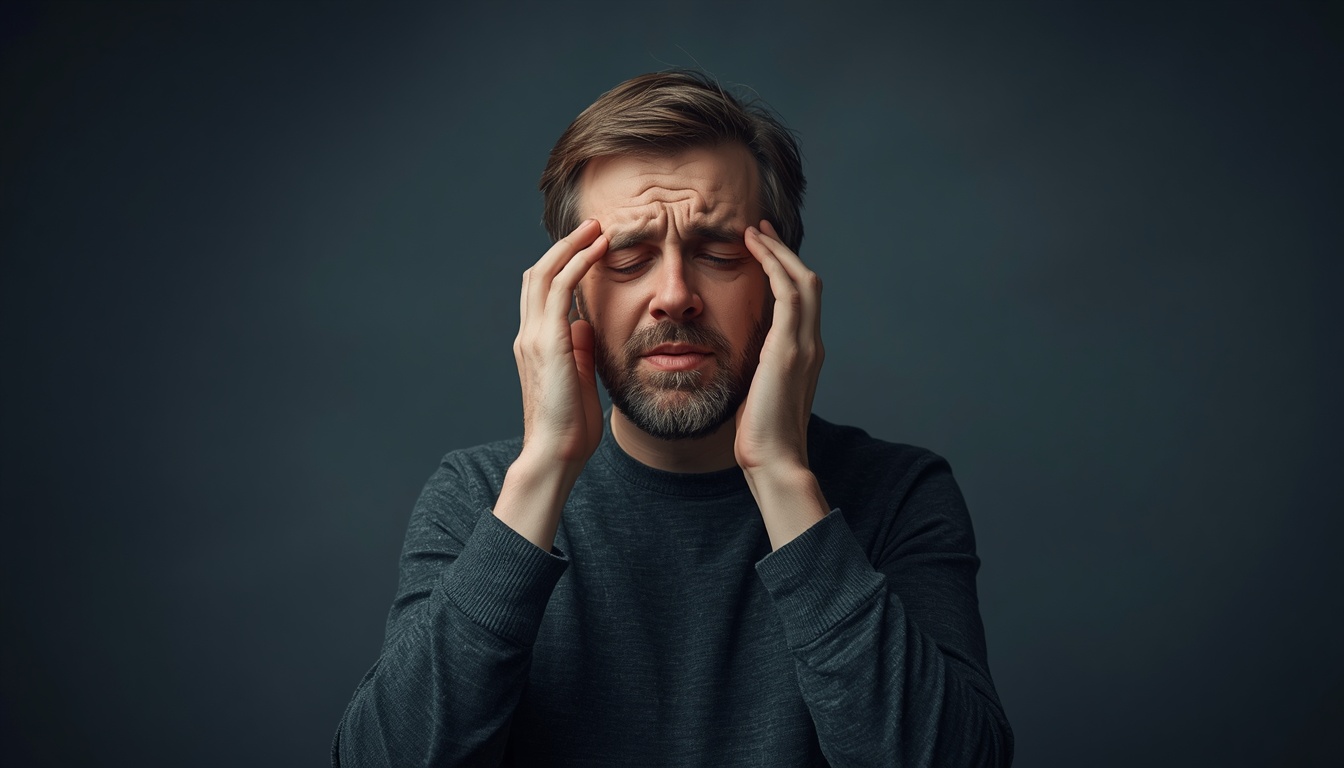
Imagine you're sitting at your desk on a perfectly normal day, focused on work or scrolling through your phone. Suddenly, a wave of tiny bumps ripples across your arms, the hairs stand up, and you feel that familiar prickly chill—even though the room is warm and nothing exciting or scary is happening. It's puzzling, a bit eerie, and makes you wonder: Is something wrong with me?
This random experience of goosebumps, medically known as piloerection, is more common than you might think. While we usually associate them with cold temperatures or strong emotions like fear or awe, they can pop up seemingly out of nowhere. The good news? In most cases, it's your body's normal, fascinating way of responding to subtle internal or external signals. Let's explore the science, causes, and what it all means for your health.
What Are Goosebumps and What Do They Feel Like?
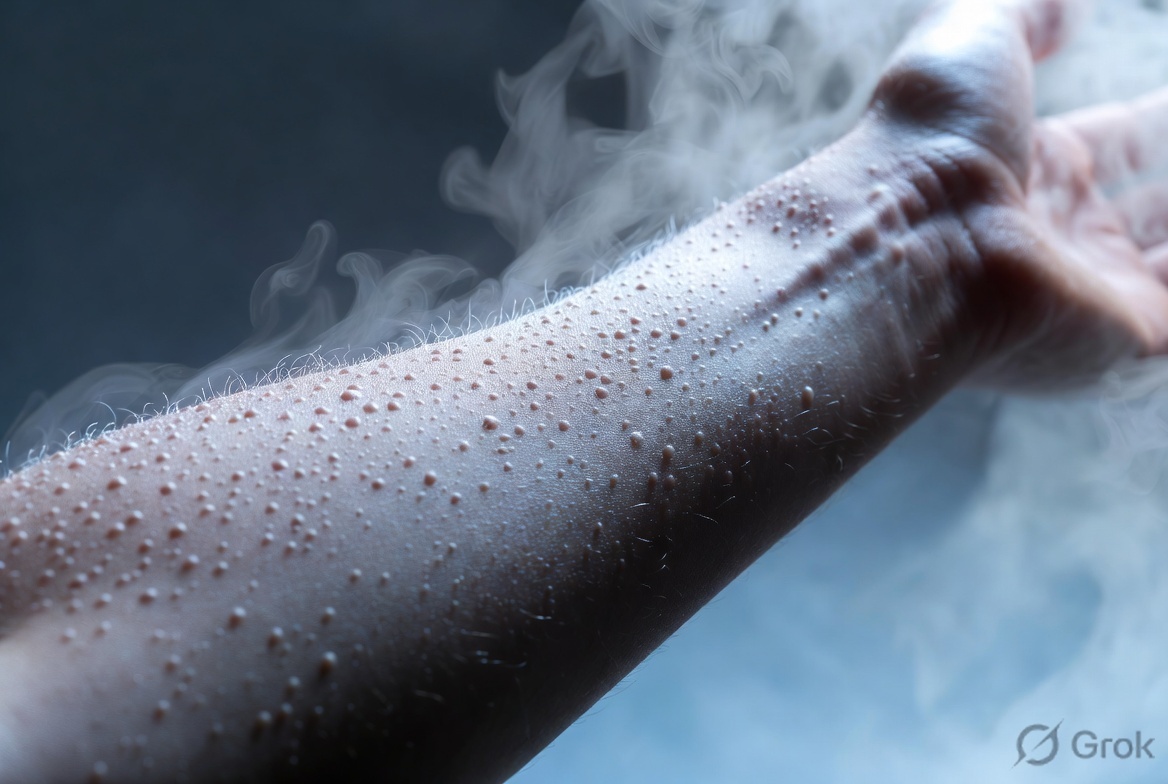
Goosebumps occur when tiny muscles at the base of your hair follicles, called arrector pili muscles, contract. This pulls the hair upright, creating small raised bumps on the skin. It happens on any area with hair—arms, legs, neck, even your scalp.
The sensation is often described as a sudden prickling or tingling, sometimes accompanied by a brief shiver or chill running down your spine. It might last just a few seconds or a minute before fading away. For many people, it's subtle and barely noticeable, but it can feel surprisingly intense, almost like your skin is "coming alive" for no apparent reason.
Why This Happens in Your Body: The Biological Explanation
Your sympathetic nervous system (SNS)—the part of your autonomic nervous system responsible for "fight-or-flight" responses—controls these muscles. When activated, it releases norepinephrine, which signals the arrector pili to contract.
In our evolutionary past, this helped our furry ancestors trap air for warmth or look bigger to scare off predators. In humans, it's largely a vestigial reflex, but the wiring remains. Even minor shifts in temperature, hormones, or nerve activity can trigger it because the SNS is highly sensitive and connects to many bodily processes.
Recent research even shows that these same structures support hair follicle stem cells, suggesting goosebumps might play a subtle role in skin and hair health over time.
Common Causes: Lifestyle, Temporary, and Harmless Triggers
Most random goosebumps are benign and tied to everyday factors:
- Subtle temperature shifts: A slight draft, air conditioning, or even your body adjusting after exercise can trigger them before you consciously feel cold.
- Stress or mild anxiety: Low-level daily pressures activate the SNS, causing "psychogenic shivers" or frisson without obvious emotion.
- Fatigue or hormonal fluctuations: Tiredness, caffeine, or changes in hormones (like during menstrual cycles or menopause) can spark them.
- Music, memories, or ASMR: Even if you're not actively moved, a song lyric or random thought can elicit a mild response.
- Skin conditions like dryness: Dehydrated skin or keratosis pilaris (harmless rough bumps) can make follicles more noticeable.
These are usually short-lived and nothing to worry about. Your body is just staying alert and responsive.
Hidden Triggers People Often Ignore
Sometimes the cause is sneakier:
- Withdrawal or substance effects: From caffeine, nicotine, alcohol, or certain medications. Even mild withdrawal can cause clammy skin and goosebumps.
- Posture and nerve compression: Sitting awkwardly can temporarily irritate nerves, mimicking random bumps.
- Hyperventilation from shallow breathing: Often linked to stress, this changes blood chemistry and triggers tingling or chills.
- Autonomic fluctuations: Normal variations in heart rate or blood pressure throughout the day.
Paying attention to patterns—like after meals, screens, or certain environments—can reveal these hidden culprits.
Less Common but Serious Causes
While rare, persistent unexplained goosebumps can sometimes signal:
- Neurological issues: Such as temporal lobe epilepsy, where seizures may start with autonomic symptoms like piloerection.
- Autonomic dysreflexia: In people with spinal cord injuries, causing sudden blood pressure spikes.
- Endocrine or metabolic problems: Thyroid imbalances, low blood sugar, or vitamin deficiencies (e.g., B12) affecting nerve function.
- Infections or early illness: The body sensing a fight before fever appears.
These are uncommon and almost always come with other symptoms.
When to Worry: Red Flags to Watch For
Occasional random goosebumps are harmless. Seek medical advice if you notice:
- Frequent episodes without any pattern or trigger.
- Goosebumps always on one side of the body.
- Accompanied by dizziness, headaches, weakness, numbness, seizures, fever, chest pain, or confusion.
- Persistent skin changes, rash, or itching.
A doctor can rule out underlying issues with simple tests. Remember, 99% of the time, it's just your body's quirky reflex.
Myths vs Facts
- Myth: Random goosebumps always mean you're getting sick. Fact: They're usually unrelated to illness.
- Myth: You can control goosebumps voluntarily. Fact: Most cannot, though a small percentage of people can trigger them consciously.
- Myth: Goosebumps are useless in humans. Fact: They reflect a healthy, responsive nervous system and may aid subtle skin functions.
How to Manage or Reduce This Symptom Naturally
You can't stop the reflex entirely, but you can minimize bothersome episodes:
- Stay hydrated and maintain steady blood sugar with balanced meals.
- Practice deep breathing or mindfulness to calm the SNS.
- Keep your environment consistent—avoid sudden temperature swings.
- Moisturize skin regularly to reduce follicle visibility.
- Get enough sleep and manage stress through exercise or hobbies.
These lifestyle tweaks often reduce frequency without any medical intervention.
Frequently Asked Questions (FAQ)
Can goosebumps happen without any reason at all?
Yes. Subtle internal signals often go unnoticed, but your nervous system picks them up.
Are random goosebumps a sign of anxiety?
Sometimes. Mild anxiety can trigger them, but they're not diagnostic on their own.
Do they indicate poor health?
Almost never. They're a normal part of human physiology.
When should I see a doctor?
If they're frequent, one-sided, or paired with other concerning symptoms.
Can certain foods cause them?
Indirectly, through blood sugar changes or sensitivities, but it's uncommon.
Conclusion: Your Body's Fascinating Alarm System
Random goosebumps without cold or obvious emotion are usually a harmless reminder of how intricately wired your body is. The sympathetic nervous system keeps you responsive to the world—even its tiniest changes. Far from something to fear, it's a sign your biology is working as designed, connecting ancient reflexes to modern life.
Next time it happens, take a moment to appreciate the complexity instead of worrying. Stay curious about your body's signals, maintain healthy habits, and consult a professional if anything feels off. You're more resilient and fascinating than you realize—bumps and all.