Why does your jaw feel tight or tired even without chewing? Discover common causes, hidden triggers, warning signs, and natural ways to find relief.
Have you ever reached the end of a normal day and suddenly noticed that your jaw feels exhausted, tight, stiff, or strangely sore—even though you haven't been chewing gum, eating tough foods, or talking excessively?
Many people experience this unsettling sensation. It can feel as if the muscles around the jaw have been working overtime despite no obvious reason. Some wake up with a tired jaw. Others notice tightness during stressful workdays. For some, the sensation comes and goes, while for others it becomes a persistent annoyance.
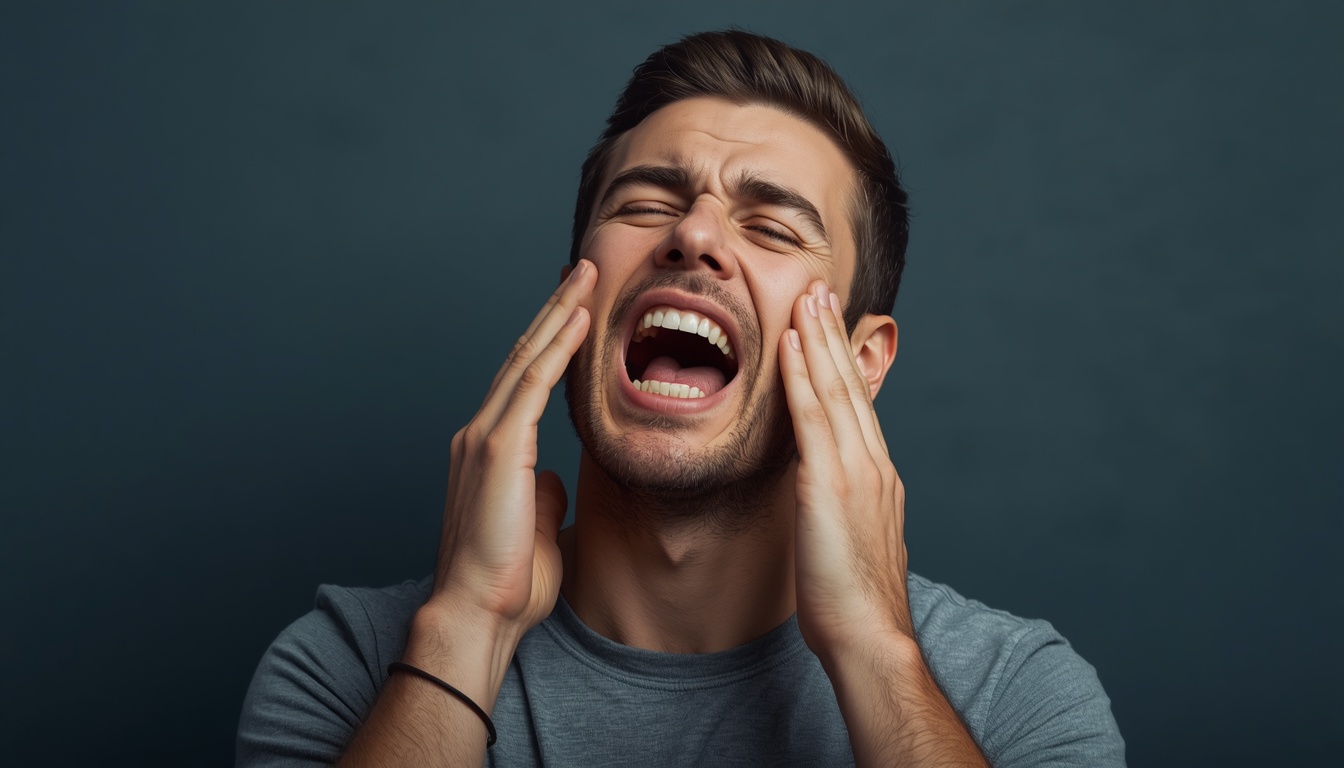
The immediate fear is often, “Is something wrong with my jaw?” or “Why does it feel like I’ve been chewing all day when I haven’t?”
The good news is that jaw tightness or fatigue is often linked to common and manageable causes. However, in some cases it can signal an underlying condition that deserves attention.
Understanding what causes jaw fatigue can help you identify triggers, reduce discomfort, and recognize when professional evaluation may be needed.
What Does Jaw Tightness or Jaw Fatigue Feel Like?
People describe jaw tightness in many different ways. The sensation can vary depending on the underlying cause.
Common descriptions include:
- A feeling that the jaw muscles are tired
- Tension around the cheeks or temples
- Difficulty fully opening the mouth
- A dull ache near the ears
- A heavy feeling in the jaw
- Soreness when chewing
- Jaw stiffness after waking up
- A sensation of pressure around the face
- Clicking or popping when moving the jaw
Some people also experience headaches, neck tension, ear discomfort, or facial muscle soreness along with jaw fatigue.
Why This Happens in Your Body
Your jaw is powered by some of the strongest muscles in the body relative to their size.
The primary chewing muscles include:
- Masseter muscles
- Temporalis muscles
- Medial pterygoid muscles
- Lateral pterygoid muscles
These muscles work together every time you chew, swallow, yawn, speak, or clench your teeth.
Like any other muscle group, they can become fatigued when overused or held under constant tension.
The problem is that many people unknowingly activate these muscles throughout the day.
Even if you are not chewing, activities such as teeth clenching, jaw tensing during stress, poor posture, or grinding teeth during sleep can keep the jaw muscles partially contracted for hours.
When muscles remain tense for prolonged periods:
- Blood flow may become less efficient
- Metabolic waste products accumulate
- Muscle fibers become fatigued
- Soreness develops
- Inflammation can occur
This creates the sensation of tightness, heaviness, or tiredness that many people experience.
Common Causes of Jaw Tightness and Fatigue
Most cases are related to everyday habits and temporary factors rather than serious disease.
1. Stress and Anxiety
This is one of the most common causes.
When people are stressed, they often tense muscles without realizing it. The shoulders rise, the neck tightens, and the jaw clenches.
Many individuals unconsciously press their teeth together while concentrating, worrying, driving, or working.
This low-level clenching can continue for hours.
The result is muscle fatigue that feels surprisingly similar to what occurs after intense chewing.
Stress-related jaw tension often comes with:
- Headaches
- Neck stiffness
- Shoulder tension
- Poor sleep
2. Teeth Grinding During Sleep
Many people grind or clench their teeth while sleeping and have no idea they are doing it.
This condition is known as sleep bruxism.
The forces generated during nighttime grinding can be extremely strong.
As a result, you may wake up with:
- Jaw fatigue
- Facial soreness
- Temple pain
- Headaches
- Sensitive teeth
If your jaw feels tired mainly in the morning, sleep-related grinding becomes a likely explanation.
3. Poor Posture
Your jaw is connected to the muscles of the head, neck, and shoulders.
Spending hours looking down at a phone or hunching over a computer can alter muscle balance throughout the upper body.
Forward-head posture places extra strain on muscles that stabilize the jaw.
Over time, this can contribute to tightness and discomfort.
This is one reason office workers often report jaw symptoms despite minimal chewing.
4. Excessive Talking or Singing
You may not think of talking as exercise, but the jaw muscles work continuously during speech.
Teachers, customer service workers, singers, presenters, and sales professionals sometimes experience jaw fatigue after prolonged speaking.
The muscles may simply become overworked.
5. Frequent Gum Chewing
Even moderate gum chewing can strain jaw muscles in some people.
Those who chew gum for hours daily may develop soreness, stiffness, or muscle fatigue.
Symptoms often improve after reducing the habit.
6. Yawning Repeatedly
Multiple large yawns can occasionally strain the muscles and joints of the jaw.
This is especially noticeable if the jaw is already irritated or tense.
7. Mild Muscle Strain
Just as a leg muscle can become sore after unusual activity, jaw muscles can become strained.
This may happen after:
- Eating unusually tough foods
- Dental procedures
- Long conversations
- Extended mouth opening
Symptoms typically improve over time.
Hidden Triggers People Often Ignore
Some jaw-tightening habits happen so automatically that people rarely notice them.
Resting Your Teeth Together
At rest, your upper and lower teeth should not be touching continuously.
Many people keep their teeth lightly pressed together all day.
This creates unnecessary muscle activity.
Concentrating on Screens
People often clench their jaw during intense focus.
Working on spreadsheets, gaming, studying, or scrolling social media can unknowingly increase jaw tension.
Emotional Suppression
Strong emotions sometimes produce muscle tension patterns throughout the body.
The jaw is a common location where tension accumulates.
Poor Sleep Quality
Insufficient or fragmented sleep may increase muscle tension and worsen nighttime clenching behaviors.
High Caffeine Intake
In some individuals, excessive caffeine may contribute to muscle tension, anxiety, and increased jaw clenching.
Dehydration
While dehydration is not a direct cause of jaw tightness, it can affect muscle function and may contribute to generalized muscle discomfort.
Temporomandibular Joint (TMJ) Disorders
The temporomandibular joints connect the jawbone to the skull.
These joints are located just in front of the ears.
Problems involving these joints and surrounding muscles are collectively called temporomandibular disorders (TMD).
Symptoms may include:
- Jaw fatigue
- Pain while chewing
- Clicking or popping sounds
- Jaw locking
- Difficulty opening the mouth
- Facial pain
TMD is relatively common and can range from mild to significant.
Less Common but More Serious Causes
While most jaw tightness is harmless, certain medical conditions can occasionally contribute.
Arthritis of the Jaw Joint
Various forms of arthritis can affect the temporomandibular joint.
Inflammation may lead to:
- Stiffness
- Pain
- Reduced movement
- Grinding sensations
Dental Problems
Misaligned teeth, bite abnormalities, infections, or dental injuries can alter jaw mechanics and contribute to muscle strain.
Nerve Disorders
Certain neurological conditions may affect facial muscles and jaw function.
These causes are much less common than stress-related muscle tension.
Infections
Severe dental infections, salivary gland infections, or nearby tissue infections can occasionally create jaw discomfort and stiffness.
Autoimmune Conditions
Some autoimmune disorders can affect joints, muscles, and connective tissues around the jaw.
Rare Muscle Disorders
Certain muscular conditions can influence jaw movement and strength, though these are uncommon.
Can Jaw Tightness Cause Headaches?
Yes.
The jaw muscles share close connections with muscles of the head and neck.
When these muscles become tense or overworked, they may contribute to tension-type headaches.
Many people who experience chronic jaw clenching report:
- Temple headaches
- Forehead pressure
- Pain behind the eyes
- Neck discomfort
Addressing jaw tension sometimes improves headache symptoms as well.
Myths vs Facts
Myth: Jaw tightness always means TMJ disease.
Fact: Stress, clenching, posture problems, and muscle fatigue are often more common causes.
Myth: If it doesn't hurt, it's not important.
Fact: Persistent tightness can indicate ongoing muscle strain that deserves attention.
Myth: Only people who chew gum get jaw fatigue.
Fact: Many cases occur in people who barely chew gum at all.
Myth: Jaw clenching is always obvious.
Fact: Most people are unaware they clench their jaw during stress or sleep.
Myth: Jaw symptoms are always caused by dental problems.
Fact: Muscle tension, posture, sleep habits, and emotional stress are frequent contributors.
When to Worry: Red Flags
Most jaw tightness is not dangerous, but certain symptoms should not be ignored.
Seek prompt medical evaluation if jaw tightness occurs with:
- Sudden inability to open or close the mouth
- Significant swelling
- Fever
- Difficulty swallowing
- Facial weakness
- Numbness
- Persistent severe pain
- Rapid worsening of symptoms
- Unexplained weight loss
- Jaw pain associated with chest pain or shortness of breath
These symptoms may indicate conditions requiring urgent assessment.
When to See a Doctor
Consider scheduling a medical or dental evaluation if:
- Symptoms last several weeks
- Jaw fatigue keeps returning
- Chewing becomes difficult
- You notice jaw locking
- Clicking becomes painful
- Sleep is disrupted
- Headaches are becoming frequent
- You suspect nighttime grinding
An evaluation can help identify the underlying cause and rule out more serious conditions.
How to Manage or Reduce This Symptom Naturally
Many cases improve through simple lifestyle changes.
Become Aware of Clenching
Check your jaw position throughout the day.
Your lips can be closed, but your teeth should generally remain slightly apart when resting.
Reduce Stress
Stress management can significantly decrease jaw tension.
Helpful strategies include:
- Deep breathing
- Meditation
- Mindfulness practices
- Regular physical activity
- Relaxation exercises
Improve Posture
Keep screens at eye level and avoid prolonged forward-head posture.
Good neck alignment often reduces strain on jaw muscles.
Take Breaks During Screen Time
Periodic movement breaks help prevent unconscious clenching.
Limit Excessive Gum Chewing
If gum chewing is frequent, reducing it may allow irritated muscles to recover.
Prioritize Sleep
Healthy sleep habits may reduce muscle tension and nighttime grinding tendencies.
Gentle Jaw Relaxation
Consciously relaxing facial muscles several times daily can reduce accumulated tension.
Many people are surprised by how often their jaw is partially clenched.
Stay Hydrated
Supporting normal muscle function through adequate hydration may help overall muscle comfort.
Why Jaw Tightness Often Appears Without an Obvious Cause
The most frustrating part of jaw fatigue is that it frequently develops without any memorable trigger.
This happens because the behaviors responsible are often unconscious.
You may not notice:
- Hours of subtle clenching
- Stress-related tension
- Nighttime grinding
- Poor posture
- Facial muscle tightening during concentration
As a result, the jaw can feel as though it worked hard despite no intentional activity.
The symptom is real, but the trigger often operates in the background.
Conclusion
If your jaw feels tight, tired, or fatigued even though you haven't been chewing much, you're far from alone. In many cases, the explanation lies not in chewing but in hidden muscle activity such as stress-related clenching, nighttime teeth grinding, poor posture, prolonged concentration, or temporomandibular joint strain.
Your jaw muscles are active throughout the day, and even subtle tension can accumulate enough fatigue to create noticeable discomfort. Fortunately, many causes are manageable and improve with increased awareness, stress reduction, better posture, healthy sleep habits, and attention to everyday jaw behaviors.
At the same time, persistent symptoms, worsening discomfort, jaw locking, swelling, neurological symptoms, or difficulty opening the mouth deserve professional evaluation. Understanding what your body is trying to tell you is the first step toward finding relief and protecting long-term jaw health.