A dull headache after hours behind the wheel is common from neck posture, eye focus, and sitting still. Learn the usual reasons, simple fixes, and when it needs a closer look.
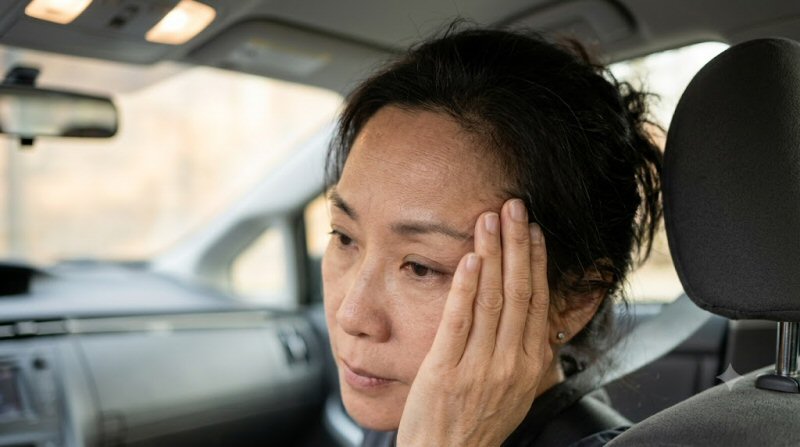
A few hours on the highway and a quiet ache settles in behind the eyes or at the base of the skull. Many people notice it only after they park and step out. The headache is rarely dramatic, yet it is persistent enough to color the rest of the afternoon. For most drivers this pattern is ordinary, not a sign of something serious.
What This Symptom Feels Like
The discomfort is usually a steady, bilateral pressure rather than a sharp or one-sided throb. It often sits across the forehead, behind the eyes, or at the junction where the neck meets the skull. Some people describe a tight band; others feel it more on the side they favor when they rest an arm on the window or grip the wheel. The ache tends to build gradually and eases once you walk, stretch, or simply stop focusing on the road. Mild neck stiffness or a sense of tired eyes often travels with it.
Common Causes
Prolonged forward head posture is the most frequent contributor. Car seats encourage a slight chin-forward position that loads the small muscles at the base of the skull and the upper trapezius. Over hours those muscles fatigue and develop tender spots that refer pain upward into the head. Eye effort adds another layer: constant distance focusing, glare, and the need to check mirrors keep the ciliary muscles and extra-ocular muscles working without the usual breaks of walking and looking around. Reduced movement also slows circulation, so mild dehydration or a missed coffee can amplify the same sensation. Low back and hip stiffness from sitting can further tighten the chain that ends in the neck.
Why This Happens
The upper cervical joints and the tissues around them share nerve pathways with the head. Pain signals from the neck can be interpreted by the brain as coming from the forehead or behind the eyes—a phenomenon known as trigeminocervical convergence. Researchers such as Nikolai Bogduk have mapped how the C1–C3 segments in particular can generate this referred pain. Sustained forward head posture shortens the suboccipital muscles and increases their background tension; over time the joints themselves become stiffer. At the same time the visual system is locked into a single focal distance. The combination produces a low-grade sensory mismatch that the brain registers as headache once the drive ends and the system is free to notice the accumulated strain. A related pattern appears in low-back aching after long drives, because the same static sitting position loads the whole spine.
Less Common but Serious Causes
Occasionally the same posture unmasks a true cervicogenic headache from a stiff or irritated upper cervical facet joint. Migraine-prone people may find that the combination of light, motion, and tension triggers an attack that outlasts the drive. Very rarely, a sudden severe headache with neck stiffness, visual change, or one-sided weakness signals a vascular or neurological problem that needs immediate attention. Most post-drive headaches do not follow this pattern.
Hidden Triggers
Glare from low sun or wet roads forces squinting that tightens the muscles around the eyes and temples. Air-conditioning set too cold or directed at the face can dry the eyes and nasal passages, adding irritation. Gripping the wheel too tightly raises shoulder and neck tension. Skipping a meal or running low on water during a long stretch is easy to overlook yet reliably lowers the threshold for headache. People who wear progressive lenses or who have uncorrected astigmatism often notice the ache more, because the visual system is already working harder. Similar eye fatigue appears in dry eyes after screen time, another situation of sustained near or fixed focus.
When to Worry
Seek prompt care if the headache is the worst of your life, arrives with sudden confusion, double vision, slurred speech, weakness, or a stiff neck and fever. Also check further if the pain is strictly one-sided and worsens with every drive, if it is accompanied by persistent numbness in an arm, or if it continues for days after the trip ends despite rest. A new headache pattern after age 50 or after a recent neck injury deserves evaluation even if the drive itself seemed ordinary.
Myths vs Facts
Myth: A headache after driving means you are dehydrated and nothing else.
Fact: Fluid balance matters, yet neck posture and visual load are usually the larger factors.
Myth: Only people with migraines get these headaches.
Fact: Tension-type and cervicogenic patterns are common even in people who never have migraines.
Myth: Painkillers are the only practical solution.
Fact: Seat adjustment, short breaks, and simple neck movement often prevent the headache before it starts.
How to Manage
Set the seat so the headrest supports the back of the head rather than forcing the chin forward; a small lumbar roll can keep the lower spine from rounding and thereby protect the neck. Every 60–90 minutes stop, walk for a few minutes, and gently turn the head side to side and look up and down. Keep water within reach and sip regularly. Polarized sunglasses reduce squinting on bright days. After the drive, a few minutes of slow neck rolls or a warm compress at the base of the skull often clears residual tightness. If eye strain is prominent, the same habits that help with screen work—full blinks and occasional distant focus—transfer well to the car.
When to See a Doctor
If the headaches return with every long drive despite posture changes and breaks, or if neck stiffness limits your ability to check mirrors safely, a clinician can assess cervical mobility and rule out other contributors. Physical therapy that targets deep neck flexor endurance, as studied by researchers such as Gwendolen Jull, frequently reduces the frequency of these referred headaches. Vision testing is worthwhile if the ache is mainly behind the eyes.
FAQs
Why does the headache often start only after I stop driving?
While you are concentrating, the brain prioritizes the driving task and dampens minor pain signals. Once the demand drops, the accumulated neck and eye strain becomes noticeable.
Can passengers get the same headache?
Yes. Passengers who sleep with the head tilted or who sit in a slouched position experience similar upper-cervical loading, though they usually lack the extra visual and grip demands of the driver.
Does the type of car matter?
Seats that push the head forward or that lack adjustable lumbar support make the posture problem worse. Older vehicles with higher belt lines can also encourage a forward lean.
Will a neck pillow help on long trips?
A supportive pillow can reduce extreme flexion if you doze, but it does not replace upright posture and movement breaks. Some people find a small towel roll under the neck more useful than a large pillow.
Is this related to motion sickness?
Mild sensory conflict can contribute, especially on winding roads, but the typical steady ache after highway driving is more often mechanical than vestibular.
Conclusion
A mild headache after a long drive is usually the predictable result of hours spent with the head slightly forward, the eyes fixed, and the body still. Adjusting the seat, taking short walking breaks, and staying hydrated address the main drivers for most people. The same body that evolved for varied posture and changing visual distances simply registers the modern car seat as sustained work; small interruptions restore the variety it expects and keep the afternoon clear.