A sudden knot in the arch or toes when you point your foot is usually a brief motor-unit lock in shortened plantar muscles — common, explainable, and rarely a nerve emergency.
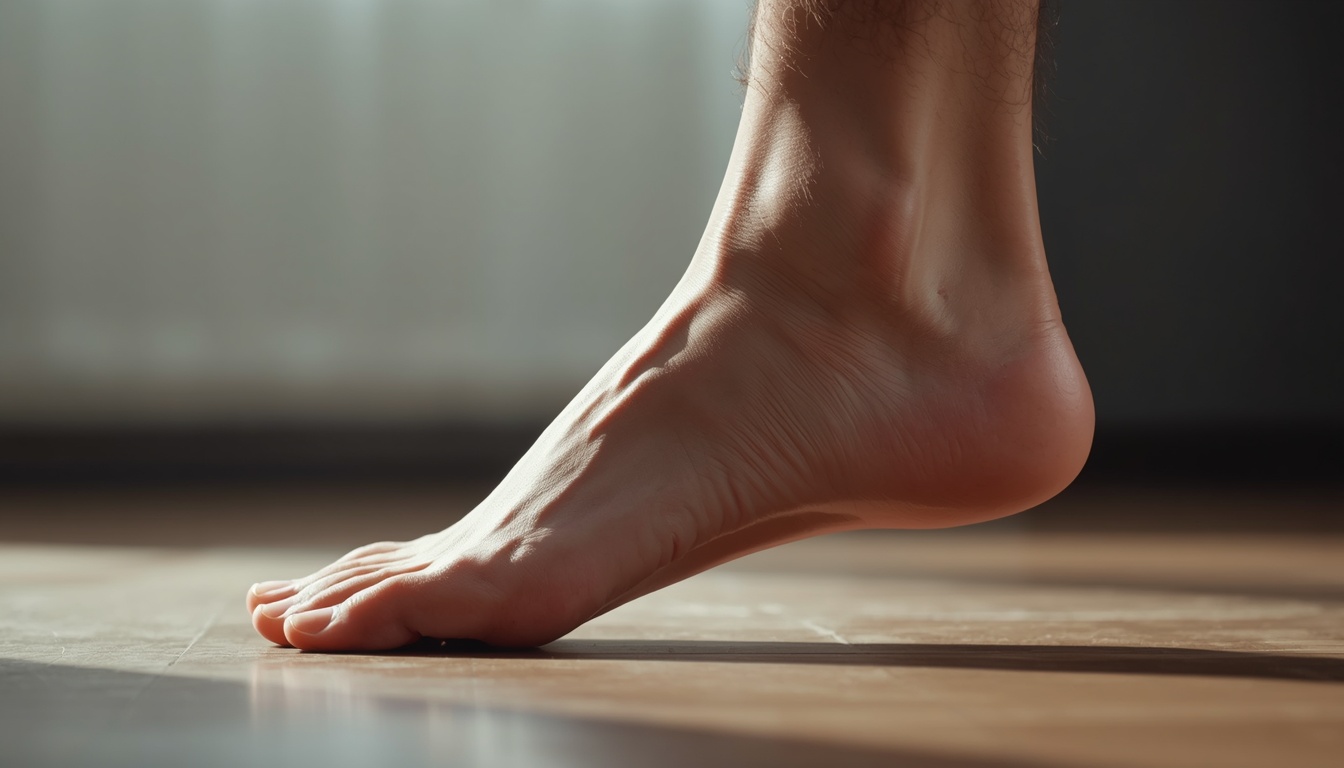
You point your toes to pull on a sock, stretch in bed, or push off a swim wall — and the arch seizes. The sole bunches into a hard ridge. One or two toes claw. The pain is out of proportion to the tiny motion that started it. Ten to thirty seconds later the knot lets go, leaving a sore, slightly weak foot that you walk on gingerly for a few minutes.
That event is a muscle cramp: a sudden, involuntary, painful contraction of a muscle or part of a muscle that you cannot immediately switch off. Martin Schwellnus and colleagues spent years separating true cramp from ordinary tightness and from delayed soreness. What happens in the foot when you plantarflex — point the toes — is the same physiology in a small, short-fibered muscle group that lives in a cramped space under the arch.
Most people who get this once will get it again. It is common in swimmers, dancers, people who sleep with pointed feet, and anyone who spends the day in stiff shoes and then suddenly asks the intrinsic foot muscles to shorten hard. It is not, by itself, proof of a potassium emergency, a dying nerve, or a doomed arch.
What This Cramp Feels Like
The typical pattern is local. The pain sits in the plantar fascia region or in the belly of flexor digitorum brevis, abductor hallucis, or the small muscles that curl the toes. The big toe may lock in flexion. The lesser toes may claw. The skin over the knot can look slightly tented. Trying to point farther makes it worse. Pulling the toes toward the shin — dorsiflexing — usually shortens the episode.
Marco Minetto’s group, recording motor-unit activity during cramp, showed that the lock is not a whole-muscle tetanus in the cartoon sense. It is a high-frequency discharge of a cluster of motor units that the spinal cord keeps firing even after you try to relax. That is why stretching the muscle — lengthening it — is more reliable than “relaxing harder.” Length changes the afferent feedback that is driving the loop.
After the knot releases, a dull ache can linger. That is residual metabolic and mechanical irritation, not leftover lactic acid as folklore claims. The same foot can cramp again the same night if you point it the same way before the muscle has reset.
Why Pointing the Toes Is a Perfect Trigger
Pointing the foot shortens the calf complex and the plantar intrinsic muscles at the same time. The gastrocnemius and soleus pull the heel up. The long toe flexors and the small arch muscles pull the toes down. In that shortened position, two things stack.
First, the muscle spindles that report stretch go quiet, while the Golgi tendon organs that report tension become less effective at braking the motor neurons. Robert Miller and others showed decades ago that electrically induced cramp is easier to start when a muscle is already shortened. The foot is a textbook shortened-muscle setup.
Second, the plantar muscles are small, pennate, and used to isometric work inside a shoe. They get little of the long, varied excursion the foot evolved for on uneven ground — the same mismatch described in why your toes still expect to spread and grip and in why your arches still expect a springy step. A sudden, full plantarflexion after hours of stillness is a novel, high-gain command to a muscle that has been idling in a narrow range.
Swimmers meet the same geometry on purpose. The pointed-toe streamline shortens the plantarflexors under load. Pool cramps in the arch and calf are famous for that reason, not because pool water “sucks out electrolytes” in a special way.
Common Everyday Triggers
Unaccustomed shortening is the lead actor. Pointing hard in bed, stretching the calf with the toes curled, wearing high heels that keep the foot in plantarflexion all day, then pointing further at night — all of these preload the same loop. Tight sheets that hold the feet pointed overnight are a classic, unglamorous cause.
Fatigue matters. A long walk in new shoes, a first dance class, a day of ladder work, or a run that loaded the calf more than usual leaves motor neurons closer to the cramp threshold. Schwellnus’s “altered neuromuscular control” model is the best current frame: the spinal cord’s gain on that muscle is turned up after fatigue, dehydration, and unusual shortening, not because a single ion has vanished.
Fluid and salt shifts can lower the threshold further. Heavy sweating without replacing sodium, a very low-carb first week, a diuretic, or a night of alcohol plus poor sleep all make cramp more likely. They do not have to reach laboratory “electrolyte catastrophe” to do it. Mild contraction of the extracellular space is enough to make motor axons a little more excitable.
Nerve irritability at the ankle or in the low back can add a background hum. A compressed tibial nerve in the tarsal tunnel, a tight calf that tugs on the same pathway, or a night of odd ankle posture can make the same pointing motion more likely to lock. That overlap is why night calf cramps and arch cramps often live in the same household — shared fatigue, shared sleep posture, shared hydration — without being the same muscle.
What Is Usually Not Happening
A single pointed-toe cramp is not amyotrophic lateral sclerosis announcing itself. Isolated, brief, activity-locked cramps in a shortened muscle are among the most common benign motor events in healthy adults. Red flags live elsewhere: progressive weakness, wasting, cramps that march through many body regions at rest, or cramps plus definite sensory loss.
It is also not “your arch collapsing.” Plantar fasciopathy can ache with the first step and can coexist with cramp, but the sudden knot is a muscle event, not a fascia tear. The windlass mechanism still works after the cramp lets go.
It is not proof you need an IV of potassium. Blood tests after ordinary cramp are usually normal. Severe, frequent, widespread cramps plus true weakness or heart-rhythm symptoms are a different conversation. The sock-pointing episode is not that conversation.
Hidden Triggers Worth Naming
Medications. Statins, some asthma drugs, diuretics, and certain blood-pressure medicines can raise cramp frequency in susceptible people. The mechanism is mixed — fluid shift, muscle membrane change, and simply more awareness after you start a new pill.
Pregnancy. Leg and foot cramps are common in the third trimester. Volume expansion, magnesium shifts, and calf loading from a changed gait all contribute. The pointed-foot-in-bed geometry is unchanged and still the usual spark.
Cold sheets and cold floors. Cooling a muscle raises its cramp threshold in some people and lowers it in others; the more reliable effect is the reflexive pointing people do when feet are cold in bed. The posture, not the temperature alone, starts the loop.
Very stiff morning fascia. After a still night the plantar tissues are less compliant. A sudden point-and-stretch as you get out of bed can catch the short toe flexors before they have had any warm-up steps. That is a timing problem, not a structural failure.
When to Worry
See a clinician promptly if the cramp comes with true weakness that lasts, a foot that slaps or drags, numbness in a clear nerve map, swelling and heat suggesting clot or infection, or cramps that explode across many muscles at rest and refuse to stop. A first thunderclap of pain in the calf with swelling is not a “cramp” until a clinician says so.
Cramps that begin after starting a new medicine, after a large change in training, or during pregnancy deserve a mention at the next visit even when they look ordinary. Context changes the odds of a contributing cause you can fix.
One-sided wasting, a persistently dropped foot, or night pain that is not a knot but a deep bone ache belongs in a clinic, not in a stretch-and-wait plan.
Myths vs Facts
Myth: You cramped because you are dangerously low on potassium.
Fact: Ordinary activity-locked cramps rarely track with a low serum potassium. Sodium, fluid, and motor-neuron gain matter more in the usual case.
Myth: Pickle juice works because it replaces salt in the muscle.
Fact: Kevin Miller’s work showed that a small sip of pickle juice can shorten an experimentally induced cramp faster than the fluid could reach the muscle. The leading explanation is a strong oropharyngeal reflex that turns down the spinal drive — a mouth-to-cord signal, not an IV in disguise.
Myth: Stretching after a cramp damages the muscle.
Fact: Gentle lengthening is the most reliable off-switch. Violent bouncing is unnecessary. The goal is to change spindle and tendon-organ input, not to tear the knot apart.
Myth: Only athletes get this.
Fact: Desk feet that suddenly point in bed cramp at least as often as trained feet. Under-use plus a sudden shortened command is a very ordinary recipe.
How to Stop the One You Are Having
Do not point harder. Pull the toes and forefoot toward the shin with your hand, or stand and put the cramped foot flat, heel down, and lean forward until the arch and calf lengthen. Hold a steady stretch for 20–30 seconds. Massage the knot only after it begins to release; grinding into a fully locked muscle just adds bruise.
Stand up if you can. Weight-bearing dorsiflexion is often more effective than a seated tug because the calf and plantar muscles share the length change.
A small sip of a strongly flavored acidic liquid — pickle brine is the studied example — can help some people abort a cramp already in progress. It is an optional trick, not a daily prescription.
How to Make the Next One Less Likely
Change sleep geometry. Do not sleep with the duvet pinning your feet in a ballerina point. A loose blanket, a pillow under the calves, or a soft night splint that holds a neutral ankle is boring and effective.
Give the foot a daily range it no longer gets in shoes. Barefoot minutes on safe uneven ground, towel-scrunches, short calf raises through a full range, and a few slow heel-drops off a step restore length and control to the same tissues that lock when they only ever live shortened. Hills and stairs, as in why your calves still expect hills and stairs, train the long flexors without asking them to spasm.
Warm the first steps. A minute of ankle circles and gentle toe spreading before the first pointed stretch of the morning is enough for many people.
Replace fluid and sodium after long heat or long sweat. You do not need a specialty drink for a desk day. You do need one after a hot match or a humid hike if cramp is already your pattern.
Review new medicines and very low-carb or very low-salt experiments with the clinician who prescribed them if cramps arrived in the same week.
When to See a Doctor
Book a visit if cramps are nightly, spreading, paired with weakness, or new after age-related nerve or vascular changes you already know about. Bring a simple log: time of night, whether the foot was pointed, recent training, medicines, and how long the knot lasted. That log is more useful than a single random electrolyte panel on a calm afternoon.
A sports-medicine or neurology exam can separate ordinary shortened-muscle cramp from radiculopathy, tarsal tunnel, or a true motor-neuron story. Most people leave with a stretch, a sleep-position change, and reassurance. That is a good outcome.
FAQs
Is a pointed-toe foot cramp the same as a night calf cramp?
Same family, different muscle. Both are high-frequency motor-unit locks in a shortened or fatigued muscle. The foot version is smaller, faster, and more tightly tied to plantarflexion posture.
Why does it happen in the pool?
Streamline position points the foot under load. Cold water and fatigue lower the threshold. It is geometry plus effort, not chlorine stealing your minerals in a unique way.
Should I eat a banana every time?
A banana is fine food. It is not a targeted antidote. If your diet is already varied, another banana will not outrun a pointed-foot-in-bed habit.
Can tight shoes cause this?
They can contribute. A narrow toe box and a raised heel keep intrinsic muscles short and under-varied all day. The cramp often arrives later, when you finally point farther than the shoe allowed.
Is magnesium a cure?
Evidence for magnesium as a universal cramp cure in non-pregnant adults is weak. Pregnancy is a possible exception to discuss with a clinician. Fixing posture, fatigue, and sodium-fluid balance usually moves the needle more.
Will this damage my plantar fascia?
A brief cramp does not tear the fascia. Repeated violent stretching or ignoring true first-step heel pain is a different problem and deserves its own look.
Conclusion
A foot that knots when you point your toes is running a very old motor program in a very modern posture. Short muscles, a high-gain spinal loop, and a night spent pointed under a duvet are enough. Stretch it long, stop pinning the feet in sleep, give the arch some of the varied work it was built for, and treat widespread or weak-and-wasting cramps as the exception they are. The sock can go on. The arch does not have to lock every time you ask it to point.