
The human foot is a living spring, not a rigid plank. Here is why flat, cushioned shoes and indoor floors leave arches tired, and how to give them the load they still expect.
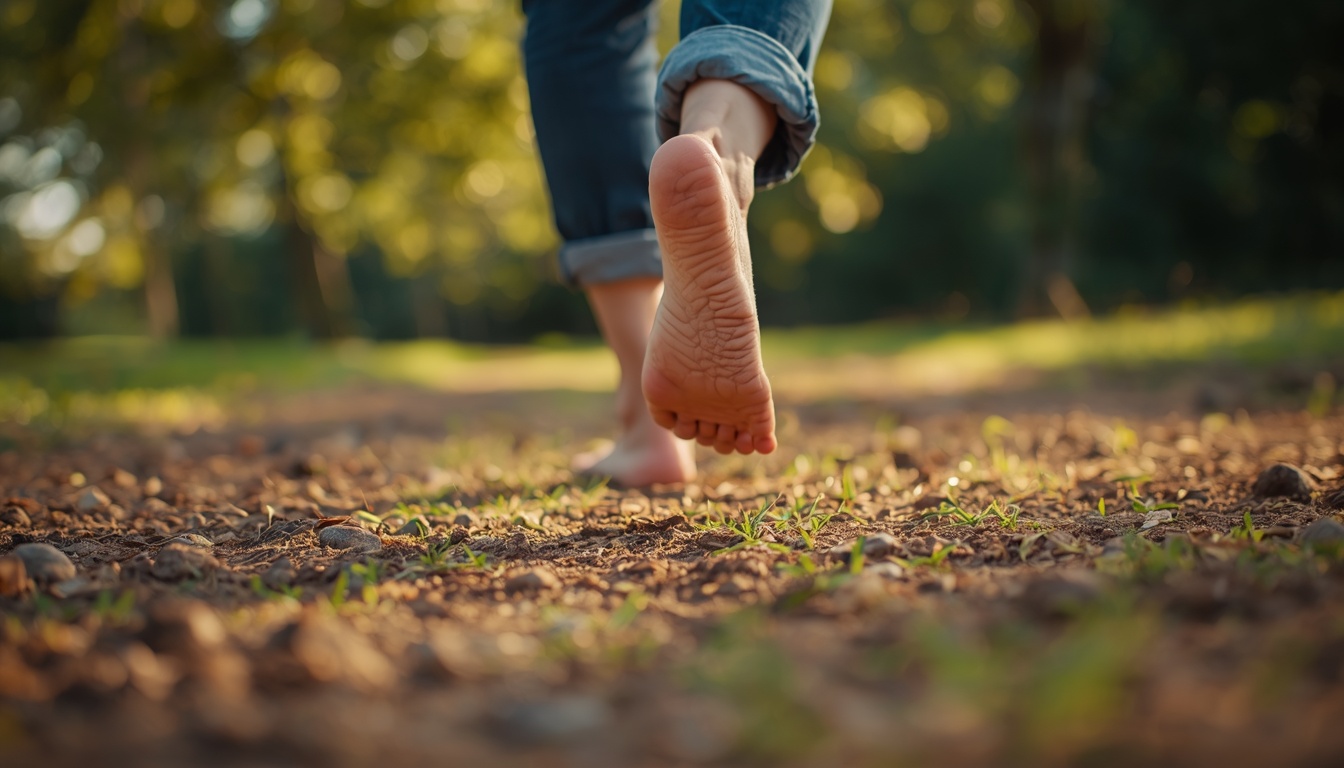
Look at a child’s foot on sand or a trail. The inner edge lifts. The heel and the ball of the foot share the landing. Toes spread and then gather. That shape is not decoration. It is a spring. The human arch stores energy as you load it and returns some of that energy as you push off. For most of our history the spring worked on dirt, packed earth, and rock, with toes free to grip. Today the same anatomy spends its life in a narrow, cushioned shoe on a flat floor. The spring still expects to work. When it rarely does, people feel a tired midfoot, a tight plantar fascia, or a vague sense that walking should feel lighter than it does.
This is not an argument that everyone must go barefoot or throw away orthotics. Some feet need support after injury or in specific sports. It is an argument that the arch is a living structure. It gets stronger when it is loaded and weaker when it is permanently propped and padded. The mismatch is quiet, which is why it is easy to miss until the first long day in “good” shoes leaves the sole of the foot complaining.
What a Tired Arch Feels Like
People describe a dull ache along the inner edge of the foot after standing in a kitchen or at a shop counter. The first steps in the morning can feel tight under the heel and along the sole — a cousin of the gel feeling in morning stiffness, but localized to the plantar fascia that helps hold the arch. After a day in very soft running shoes, the foot can feel oddly floppy, as if the spring never quite engaged. Some people notice that walking on grass or a wooden floor in socks suddenly feels more honest than walking in thick foam.
The sensation is often worse after a sudden jump in steps, a new minimal shoe with no transition, or a week spent almost entirely indoors on tile and carpet. It eases when you sit. That pattern is mechanical more often than it is a mysterious “fallen arch” that appeared overnight.
Why the Foot Is a Spring
The medial longitudinal arch — the curve you see on the inner side — is held by bones stacked in a shallow vault, ligaments that act like guy wires, the plantar fascia that runs from heel to toes, and small muscles in the foot that can stiffen the vault when you need it. Researchers who study human locomotion have described a windlass mechanism: when the big toe bends up at push-off, the plantar fascia winds tighter and the arch rises, turning the foot into a more rigid lever for the next step. Then the vault yields again at landing so the impact is not a hammer blow.
That yield-and-recoil is the spring. Calves and Achilles add another layer of stored energy, which is why hills and stairs still matter to the lower leg. Toes that can spread and grip, covered in why toes expect splay, help lock the front of the spring. Ankles that can tilt a little on uneven ground, described in uneven-ground ankle work, keep the vault from having to do every correction alone.
Cushioned, narrow shoes change the job. Foam can feel kind on day one. Over months it can also let the small foot muscles clock out. A tight toe box stops the windlass from working cleanly. A raised heel shortens the calf and changes how the arch loads. Flat indoor floors remove the tiny tilts that used to keep the vault honest. The bones are the same. The daily brief is not.
Common Causes of Arch Fatigue
- Long hours standing on hard, flat floors in unsupportive or over-cushioned shoes
- A sudden jump in walking or running volume without a gradual build — tendons and fascia like the same slow loading described in gradual tendon loading
- Very narrow dress shoes that pinch the forefoot and stall the big-toe windlass
- Going from maximal cushion to barefoot or “zero drop” in a weekend
- Weight gain, pregnancy, or a job that keeps you on your feet without recovery days
- True flexible flat feet that never trained the small muscles of the vault
- A tight calf that pulls on the heel and increases strain through the plantar fascia
Hidden Triggers
- A new standing desk without a fatigue mat or a habit of shifting stance
- Walking only on treadmills and mall floors — smooth, predictable, and boring for the arch
- Old orthotics that were never rechecked after strength improved, or never used after they were prescribed
- A summer of flip-flops that let the toes claw and the vault collapse to grip the sandal
- Ignoring the rest of the chain: weak hips and knees that expect varied terrain, as in varied-terrain knees, dump extra work onto the midfoot
- Inflammatory flares or a recent viral illness that makes fascia more irritable for a few weeks
Less Common but Serious
A sudden drop of the arch on one side, especially after a twist, can mean a posterior tibial tendon problem. Night pain that does not ease, a hot swollen midfoot, numbness, or a wound on the sole that you cannot feel needs prompt care. People with diabetes should treat new arch or sole pain as a reason to check shoes and sensation, not as a wait-and-see ache. Stress fractures in the midfoot can hide under “just tired arches” after a sharp increase in load.
When to Worry
- One arch drops quickly compared with the other
- Pain that is worse at night or at rest, not just after standing
- Swelling, redness, or warmth through the midfoot
- Numbness, burning into the toes, or wounds that heal slowly
- Inability to raise the heel on that side or a new limp that is getting worse
Myths vs Facts
Myth: Everyone needs a built-up arch support for life.
Fact: Some people need support after injury or for specific anatomy. Many others do better when the foot is gradually allowed to work, with shoes that leave room for toes.
Myth: Barefoot is always better.
Fact: Barefoot on safe, varied ground is training. Barefoot on glass-strewn pavement after a decade in foam is a jump in load. Transition slowly.
Myth: Flat feet are a life sentence of pain.
Fact: Plenty of flexible flat feet are strong and quiet. Pain is about capacity versus demand, not the postcard shape of the vault.
Myth: More cushion always means less injury.
Fact: Cushion changes the signal. It can help a sore day. It does not automatically build a stronger spring.
How to Give the Arch a Job Again
- Choose shoes with a toe box wide enough that the big toe can point forward, not squeeze inward.
- Spend short, safe periods barefoot or in thin-soled house shoes on clean indoor floors. Minutes, not a marathon.
- Walk on grass, packed dirt, or a slightly uneven path a few times a week so the vault has to make small corrections, the same idea as feet expecting uneven ground.
- Practice short-foot work: gently draw the ball of the foot toward the heel without curling the toes into a fist. Hold a few seconds. Repeat.
- Strengthen calves with slow heel raises, and include some bent-knee raises so the soleus shares the work.
- If you use orthotics, pair them with foot strength rather than treating the insert as the only plan.
- Increase running or walking distance by small weekly steps. Fascia adapts. It does not sprint the adaptation.
- If a standing job is non-negotiable, shift stance, use a low footrest to alternate a slightly bent knee, and sit for real breaks.
When to See a Doctor
See a clinician or a sports-minded physiotherapist if pain lasts more than a few weeks, one side changes shape, or walking is limited. Imaging is not the first step for every ache. A good exam of the posterior tibial tendon, the plantar fascia, and calf length usually is. People with diabetes, inflammatory arthritis, or a recent midfoot injury should not self-manage for long.
FAQs
Can I reverse a “fallen” arch?
A flexible vault can often get stronger and feel higher when muscles and calves share the work. A stiff, structurally flat foot may not change shape much. Comfort and capacity matter more than the photo of the arch.
Are expensive insoles worth it?
They can be a useful bridge after injury or for long shifts on concrete. They work best as part of a plan that also trains the foot, not as a permanent substitute for a spring.
Why do my arches hurt more in the morning?
The plantar fascia shortens a little overnight. The first loads of the day stretch it. A minute of gentle ankle pumps and short-foot work before a long walk often helps.
Do kids need arch supports?
Many children’s arches look flatter until the vault matures. Pain, a limp, or a sudden change is the reason to get a child checked — not the shape alone.
Is walking on sand good training?
Soft sand is hard work. Short walks can help. Long slogs on deep sand are a sudden load spike. Treat them like a new workout.
Conclusion
Your arch is not a dead triangle of bone. It is a spring that still expects to yield, stiffen, and return energy with every step. Cushioned shoes and indoor floors are comfortable. They are also a quieter brief than the one the foot evolved to take. You do not have to live barefoot on a mountain trail. You do have to give the vault occasional real work: room for the toes, a little uneven ground, stronger calves, and patience when you change footwear. When the spring is allowed to spring, walking feels less like a tax and more like what the foot was built to do.