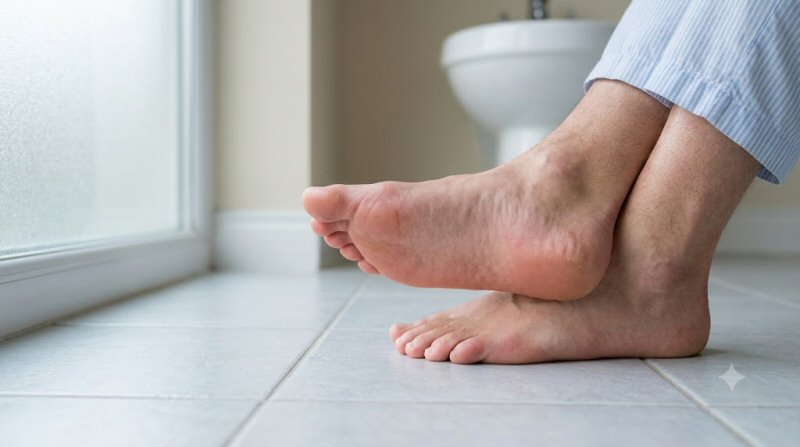
Nighttime foot cramps are common and usually harmless, often linked to muscle fatigue, prolonged standing, or simple daily habits. Here’s what causes them and when they deserve attention.
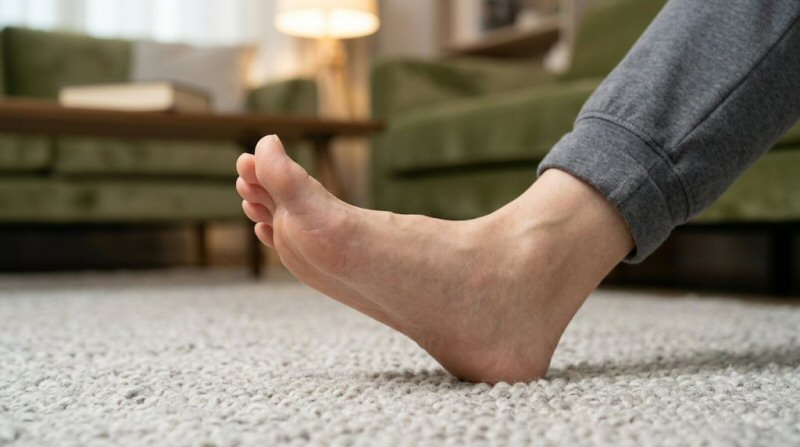
You are almost asleep when a sudden, sharp tightening seizes the arch or toes of one foot. The muscles lock into a hard knot that lasts seconds to a minute, then eases, leaving a dull ache. It is startling enough to wake you fully, and it can happen again later the same night or on other nights. For many people this is simply part of ordinary life, especially after a long day on their feet or as they get older.
What This Feels Like
The cramp is usually sudden. The foot may point downward, the toes curl under, or the arch feels like it is being squeezed from inside. Pain is sharp while the muscle is contracted and milder afterward. It can affect one foot or both, though rarely at the same moment. After the spasm releases, the muscle often feels tender for a few minutes or even into the next day. Most episodes end on their own or with a stretch, and the person can return to sleep.
Why This Happens
Nocturnal foot cramps are involuntary, sustained contractions of the small muscles in the sole or the intrinsic muscles of the toes. Researchers such as Martin Schwellnus have studied similar cramps during and after exercise and note that fatigued muscle fibers become more irritable and more likely to fire in bursts. At night the same principle applies: after hours of standing, walking, or even just sitting with the feet pointed, the muscles have accumulated low-level fatigue. During sleep the normal quieting of motor nerves is imperfect, and a sudden discharge can lock the muscle.
The exact trigger is often unknown—many cases are called idiopathic. Age increases the chance because muscle and nerve recovery slow. Dehydration and shifts in sodium, potassium, or magnesium can lower the threshold for firing, though most people with occasional night cramps have normal blood levels. Tight sheets that keep the foot pointed, or a day spent in shoes with a narrow toe box, can leave the muscles in a shortened position that favors a spasm once the body relaxes.
Common Everyday Triggers
- Long periods of standing or walking on hard floors
- New or intense exercise that loads the feet and calves
- Sitting with the toes pointed for hours (desk, car, sofa)
- Low fluid intake, especially after heat or caffeine
- Pregnancy, when fluid shifts and fatigue are common
- Certain medicines (some diuretics, statins) that can alter electrolytes or muscle membrane stability
These are the same factors that make calf cramps more likely at night. The foot simply has its own smaller muscles that can join in or cramp on their own.
Less Common but Serious Causes
Most night foot cramps stay benign. When they become frequent, severe, or appear together with other symptoms, clinicians look further. Peripheral neuropathy (from diabetes or other causes), spinal stenosis, thyroid disorders, and significant electrolyte problems can all raise the rate of cramps. Circulatory issues that reduce oxygen delivery to the feet may contribute in some people. In these situations the cramps are usually accompanied by numbness, persistent swelling, color changes, or pain that occurs during the day as well.
When to Worry
A single cramp or a few isolated episodes after a busy day is ordinary. Seek medical advice if:
- Cramps wake you most nights for more than a couple of weeks
- You also notice new numbness, weakness, or balance problems
- The foot stays swollen, cold, or discolored after the cramp
- Cramps began after starting a new medicine
- You have known kidney, thyroid, or neurologic disease and the pattern changes
Sudden, severe pain that does not ease with stretching, or pain that is clearly vascular (cramping that starts with walking and stops with rest), needs prompt attention.
Myths vs Facts
Myth: Night foot cramps always mean you are low in magnesium.
Fact: Magnesium deficiency can cause cramps, but population studies (including work by Grandner and others) show that most people with ordinary nocturnal cramps have normal levels. Supplements help only when a true deficit exists.
Myth: You must take quinine or a strong prescription drug.
Fact: Daily gentle stretching of the calf and foot has the best evidence for reducing frequency. Most medicines have side-effect trade-offs that outweigh benefits for mild cases.
Myth: Cramps at night are the same as restless legs.
Fact: Restless legs produce an uncomfortable urge to move rather than a hard, painful muscle contraction. The two can coexist but are different.
How to Manage and Reduce Them
When a cramp strikes, gently stretch the foot: pull the toes upward toward the shin or stand and place the ball of the foot on the floor with the heel down. A warm compress or light massage afterward can ease residual tightness. For prevention:
- Stretch the calves and soles for 30–60 seconds before bed
- Stay hydrated through the day, especially if you sweat or drink coffee
- Wear shoes with enough room for the toes to spread during the day
- Avoid keeping the covers tightly tucked over pointed feet
- Add short walks or ankle circles if you sit for long periods
People who already experience nighttime calf cramps often find the same habits help the feet as well. Those who notice cramps when they point their toes during the day can use the same stretch as both treatment and prevention.
When to See a Doctor
Mention the cramps at a routine visit if they are frequent enough to disturb sleep. Bring a simple note of how often they occur, what you were doing that day, and any medicines you take. Blood tests for electrolytes, glucose, or thyroid function are sometimes useful, but many people improve with the practical steps above and never need further work-up.
FAQs
Is it normal for only one foot to cramp?
Yes. The side that worked harder that day or the foot that stayed pointed under the covers is more likely to seize.
Can tight shoes during the day cause night cramps?
They can. A narrow toe box keeps the small foot muscles in a shortened position for hours; once you relax at night the muscles are more prone to spasm.
Does stretching really prevent them?
Regular, gentle stretching of the calf and the sole of the foot before bed reduces frequency for many people. It is the first step most clinicians recommend.
Are night foot cramps more common in pregnancy?
Yes. Fluid shifts, fatigue, and changes in circulation make both calf and foot cramps more frequent in the later months. They usually improve after delivery.
Should I take magnesium every night?
Only if a blood test or a clinician has identified a deficiency. For most people ordinary night cramps improve with stretching, hydration, and shoe changes alone.
Conclusion
A sudden cramp in the foot at night is a common, usually harmless response of tired small muscles. The same factors that leave the calves tight—long standing, pointed posture, modest fluid shifts—can affect the foot as well. Stretching when it happens, keeping the daytime load varied, and giving the toes room in your shoes are enough for most people. If the episodes become nightly or arrive with new numbness or swelling, a short conversation with a clinician is worthwhile; otherwise the pattern is simply one of the ordinary signals the body sends after a full day on its feet.