
Why legs feel stiff after hours behind the wheel, how static posture and reduced circulation contribute, and simple ways to ease the tightness.
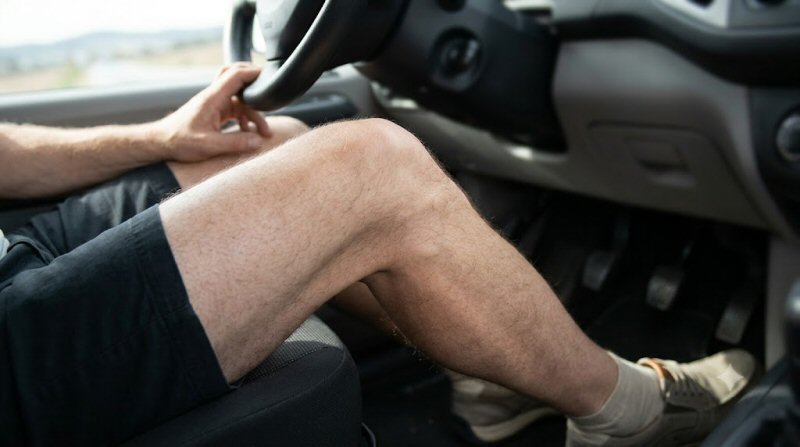
You pull into the driveway after a multi-hour drive and the first steps feel awkward. Your knees and calves seem heavier than usual, the hamstrings feel tight, and it takes a minute of walking before the legs loosen up. For many people this is a familiar end-of-trip sensation rather than a sign of something serious. Prolonged sitting in a car seat keeps the hips and knees flexed, quiets the calf muscle pump that normally helps move blood, and leaves the leg muscles in a sustained low-level posture. The result is temporary stiffness that usually eases once you move.
What This Symptom Feels Like
The stiffness is often described as a tight, heavy, or “locked” feeling in the thighs, knees, calves, or ankles. Some people notice it most when they first stand up or take the first few steps. Others feel it as a mild ache behind the knees or a sense that the legs need to stretch before they work normally. Mild swelling at the ankles or a temporary pins-and-needles feeling can appear alongside the stiffness. In most cases the sensation improves within minutes to half an hour of walking and gentle movement. It is different from sharp pain, sudden swelling in one leg only, or numbness that persists long after the drive.
Common Causes
Several ordinary factors combine during a long drive:
- Sustained hip and knee flexion that shortens the hamstrings and hip flexors.
- Reduced activity of the calf muscle pump, which normally squeezes veins and helps return blood toward the heart.
- Slight fluid shifts into the lower-leg tissues when venous return slows.
- Low-level muscle tension from holding the foot on the pedals or bracing against the seat.
- Whole-body vibration from the road that adds to local muscle fatigue.
These are the same mechanisms that can leave the legs feeling stiff after long flights or extended desk sitting, though the pedal posture and car-seat angle make driving distinct. Related experiences such as hamstring tightness after a desk day or calf tightness after standing share the theme of prolonged static posture.
Why This Happens
When you sit with knees bent for hours, the large veins behind the knee and in the pelvis are slightly compressed, and the calf muscles stay relatively still. Research on prolonged sitting and driving has shown that blood perfusion and muscle oxygenation in the lower limbs can decline, while markers of muscle activity shift toward fatigue patterns. Studies examining drivers have also found higher rates of hamstring tightness among people who sit for long periods behind the wheel compared with non-drivers. The muscles themselves can develop a temporary “gelled” quality after sustained quiet postures; synovial fluid in the joints thickens slightly when movement stops, so the first steps feel stiff until the fluid redistributes.
The calf muscle pump is often called the “second heart” because each contraction helps push venous blood upward. When that pump is quiet, venous pressure rises and a small amount of fluid can leave the capillaries into the surrounding tissue. The result is the heavy, tight sensation many people notice when they finally stand. Once you walk, the pump restarts, circulation improves, and the stiffness usually recedes. This is different from the deeper evolutionary expectation that your knees and legs will experience frequent full extension and varied terrain, as discussed in pieces on why knees still expect frequent full extension.
Less Common but Serious Causes
Most post-drive leg stiffness is benign. Less often, prolonged immobility can contribute to deep-vein thrombosis (a blood clot in a deep leg vein), especially on drives lasting many hours without breaks, in people who have additional risk factors such as recent surgery, clotting disorders, pregnancy, or a history of clots. A clot typically produces more than simple stiffness: marked swelling in one leg, warmth, redness, or pain that does not ease with walking. Severe low-back problems can also refer stiffness or heaviness into the legs, and rare nerve compression from a poorly adjusted seat can produce persistent numbness. These are uncommon relative to ordinary postural stiffness.
Hidden Triggers
Certain details make the feeling more noticeable:
- A seat that is too low or too far back, forcing greater knee flexion or constant pedal tension.
- Keeping a wallet in the back pocket or wearing tight clothing that presses on the thighs.
- Dehydration, which can make muscles more prone to fatigue and cramping.
- Cool cabin temperatures that leave the legs feeling colder and stiffer.
- Driving after a long day of sitting or standing, so the legs start the trip already fatigued.
When to Worry
Ordinary stiffness that improves with walking is usually nothing to worry about. Seek medical advice if you notice:
- Sudden or marked swelling in one leg, especially if it is warm, red, or painful.
- Chest pain, shortness of breath, or coughing up blood after a long drive (possible signs of a clot that has moved).
- Numbness, weakness, or pain that persists for hours after you start moving.
- Stiffness accompanied by fever, unexplained weight loss, or night pain.
- Difficulty walking or a feeling that the leg might give way.
People with known clotting risks should discuss prevention strategies with a clinician before long trips.
Myths vs Facts
Myth: Leg stiffness after driving always means poor circulation that needs medication.
Fact: Temporary slowing of venous return is normal during prolonged sitting; movement usually restores it quickly.
Myth: Only older adults get stiff legs after a drive.
Fact: Anyone who sits still for hours can notice it; younger drivers report the same sensation after long trips.
Myth: Stretching once at the end of the drive is enough to prevent it.
Fact: Brief movement breaks every hour or two are more effective than a single stretch at the destination.
How to Manage It
Simple habits reduce the likelihood and severity:
- Stop every 90–120 minutes, walk for a few minutes, and do gentle ankle pumps or calf raises while standing.
- While driving, occasionally flex and point the ankles or shift weight if it is safe to do so.
- Adjust the seat so the knees are not sharply bent and the thighs are supported without pressure behind the knees.
- Stay hydrated; small sips of water help overall comfort.
- After arriving, walk for 5–10 minutes and do easy stretches for the hamstrings and calves.
- Consider compression socks on very long trips if you are prone to swelling, after checking with a clinician if you have circulation issues.
Most people find that these steps keep the post-drive stiffness mild and short-lived.
When to See a Doctor
Make an appointment if the stiffness is new, progressively worse, or accompanied by swelling, skin changes, or pain that interferes with daily walking. A clinician can check for vascular, joint, or nerve contributors and advise on prevention if you drive frequently for work. Sudden one-sided swelling or chest symptoms after a long trip warrant prompt evaluation.
FAQs
Why do my legs feel worse after a long drive than after sitting at a desk for the same time?
The combination of knee flexion, constant low-level pedal work, road vibration, and less opportunity to stand makes driving a more sustained static challenge for the lower limbs than most desk sitting.
Is it normal for only one leg to feel stiff?
Mild asymmetry is common if you rest one foot more than the other or sit slightly rotated. Marked one-sided swelling or pain that does not improve is worth checking.
Will walking immediately after the drive help?
Yes. Gentle walking restarts the calf pump, redistributes fluid, and warms the muscles, which usually eases stiffness within minutes.
Can the stiffness turn into a cramp?
Sustained posture and mild fluid shifts can set the stage for a calf cramp, especially if you are dehydrated. Ankle pumps and hydration lower the chance.
Should I worry about blood clots every time my legs feel stiff?
No. Ordinary stiffness without swelling, redness, or persistent pain is far more likely to be postural. Clots are uncommon but important to recognize when the classic one-leg signs appear.
Conclusion
Feeling stiff in the legs after a long drive is a common response to hours of flexed sitting and a quiet calf muscle pump. Circulation slows, fluid shifts slightly, and muscles and joints temporarily lose their easy glide. For most people the sensation fades with a short walk and a few stretches. Building in brief movement breaks, adjusting the seat, and staying hydrated keep the discomfort mild. If the stiffness is accompanied by one-sided swelling, persistent numbness, or other concerning signs, a medical check is the sensible next step. Otherwise, the legs simply need a reminder that they were built to move.


