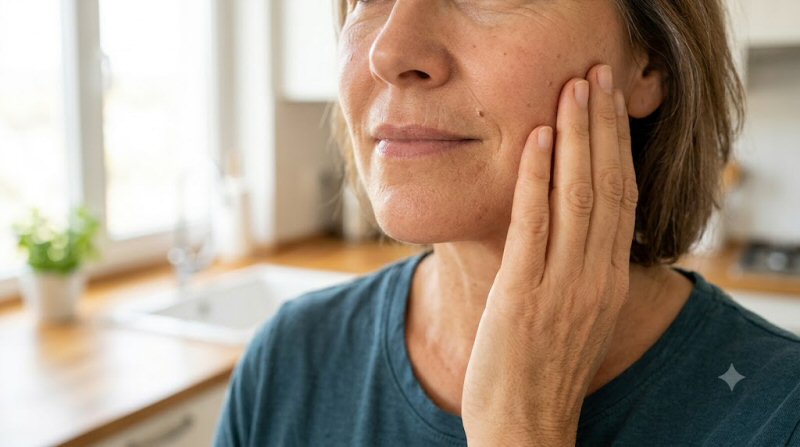
Yes — cool hands during long typing sessions are common. Learn why sitting still, focused work, and office air reduce blood flow to the fingers, plus simple ways to warm them and when to check further.
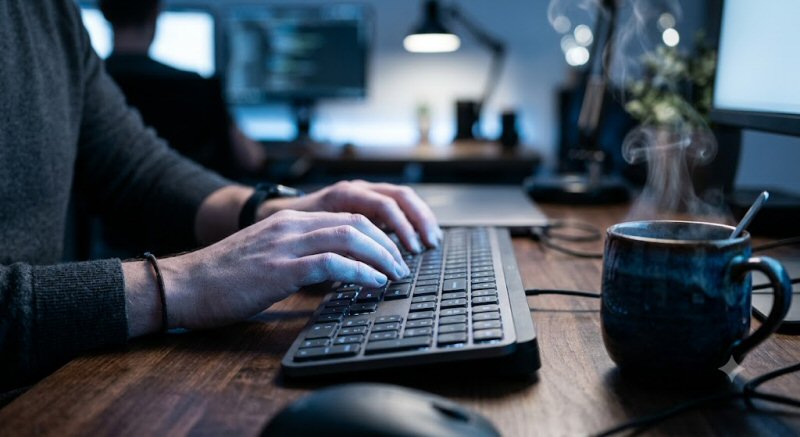
You notice it partway through an afternoon of emails or documents: your fingers feel cooler than the rest of you, sometimes pale at the tips, and the keyboard seems chillier than it should. A short walk or a few minutes of rubbing them usually brings the warmth back. For people who spend long stretches at a desk, this is a frequent, usually harmless pattern.
What This Symptom Feels Like
The coolness is most often noticed in the fingers and the backs of the hands rather than the palms. The skin can look slightly paler, and the hands may feel stiff or less nimble for a few minutes after you stop typing. Many people describe it building after 30–60 minutes of continuous work and easing once they stand, swing the arms, or hold a warm mug. It is rarely painful when it is simply from sitting still; discomfort tends to stay mild and temporary.
Common Causes
Prolonged sitting lowers the activity of the large leg muscles that normally help return blood toward the heart. With less overall circulation, the extremities receive a smaller share. At the same time, the hands themselves are mostly still except for the small, low-force movements of typing. Research using infrared imaging has shown that hand skin temperature can drop during and after sustained computer work. Martin Cherniack and colleagues measured lower dorsal hand temperatures linked to reduced muscle blood volume after a typing task, while other studies found wrist temperature declining markedly after an hour of continuous mouse use.
Office air conditioning keeps the room cooler than outdoor air, and the hands, with their high surface-to-volume ratio, lose heat quickly. Mild sympathetic activation from focused concentration or deadline pressure can add a further layer of peripheral vasoconstriction — the same system that narrows vessels when you feel anxious, though here the trigger is often just sustained mental effort rather than strong emotion. Related patterns appear in hands that go cold when you’re anxious, where the mechanism is similar but the intensity differs.
Why This Happens
Your body prioritizes core temperature. When muscle activity is low and the environment is cool, sympathetic nerves tighten the small arteries that supply the fingers. This is the same reflex that keeps heat near vital organs in cold weather; at a desk it simply operates on a smaller scale. Because the fingers have little insulating fat and a large surface area, even a modest drop in blood flow makes them feel distinctly cooler. Studies of office workers have documented that this temperature drop is measurable and correlates with the duration of continuous hand use, especially under cooler ambient conditions common in air-conditioned spaces.
Less Common but Serious Causes
Color changes that progress from white to blue and then red, especially with clear demarcation and associated numbness or pain, point toward Raynaud’s phenomenon rather than ordinary desk cooling. Persistent coldness that does not improve with movement, or coldness accompanied by swelling, skin breakdown, or one-sided weakness, needs medical review. Underlying issues such as significant arterial narrowing, certain autoimmune conditions, or severe carpal tunnel syndrome can exaggerate the normal response, but these are far less common than simple inactivity and cool air.
Hidden Triggers
Cool room temperature is the most consistent amplifier. Keyboard or mouse position that keeps the wrists extended or the shoulders elevated can further restrict flow. Dehydration, low iron, or recent nicotine use all make peripheral vessels more reactive. Some people notice the effect more on days they skip breakfast or stay seated through lunch; the lower overall metabolic rate leaves less surplus heat for the hands. Airflow from a desk fan or vent aimed at the keyboard accelerates the cooling.
When to Worry
Seek care if your fingers turn white or blue with clear color changes, if the coldness is accompanied by lasting numbness or pain that does not ease within minutes of moving, if only one hand is affected and feels weaker, or if sores or skin changes appear on the fingertips. Cold hands that persist even after you warm the room, walk, and rub them for several minutes also deserve evaluation, especially if they have worsened over weeks.
Myths vs Facts
Myth: Cold hands while typing mean you have poor circulation that needs medication.
Fact: Temporary cooling from stillness and cool air is normal physiology. True circulatory disease usually produces additional signs such as pain with walking or color changes at rest.
Myth: Only people with Raynaud’s get cold fingers at a desk.
Fact: Most desk-related cold hands lack the classic white-blue-red sequence and resolve quickly with movement. Raynaud’s is a stronger, more stereotyped response.
Myth: Wearing gloves all day is the only fix.
Fact: Gloves help, but interrupting stillness and warming the core often restore flow more effectively than covering the hands alone.
How to Manage It
- Stand or walk for one to two minutes every 30–40 minutes; even a short circuit around the room restarts the muscle pump.
- Keep a light layer or fingerless gloves nearby if the office is cool; remove them when your hands feel warm so you do not overheat the fingers.
- Warm your torso first — a warm drink or a brief walk often brings blood back to the hands faster than heating the fingers alone.
- Adjust the keyboard and mouse so the wrists stay roughly neutral and the shoulders can drop; this matches the advice that helps wrists that ache after mouse use.
- Gently open and close the hands or shake them out during natural pauses in work.
- If the room is set very cold, a small personal heater or a request to raise the thermostat a few degrees can make a noticeable difference.
Many people find the coolness largely disappears once movement breaks become routine. The same principle that applies to hands that lost their daily workout holds here: regular, varied use keeps both muscles and vessels more responsive.
When to See a Doctor
Make an appointment if the coldness lasts more than a few weeks despite regular movement and a warmer environment, if color changes or lasting numbness appear, or if the symptom interferes with fine tasks even after you warm up. A clinician can check pulses, look for signs of Raynaud’s or other vascular conditions, and decide whether further testing is useful.
FAQs
Is it normal for only the fingertips to feel cold while typing?
Yes. The tips have the least insulation and the smallest vessels, so they cool first. As long as color stays normal and warmth returns with movement, this is typical.
Can stress make desk-related cold hands worse?
Yes. Focused work or mild performance pressure activates the same sympathetic pathways that narrow finger vessels. The effect is usually milder than full anxiety-driven cold hands but adds to the cooling from stillness.
Will a standing desk stop my hands from getting cold?
Standing increases overall circulation but does not automatically keep the hands warm if the room is cool and the fingers stay still. Alternating positions and adding brief hand movements still help.
How quickly should the hands warm up after I stand?
Most people notice improvement within two to five minutes of walking or arm movement. If the hands remain distinctly cold after ten minutes of activity in a warm room, mention it at a routine visit.
Does typing speed affect how cold the hands get?
Faster typists sometimes show quicker recovery of hand temperature after a task, possibly because of slightly higher local muscle activity. The bigger factor remains total time spent still.